
Exploring Aquamarine: March's Birthstone Characteristics

Intro
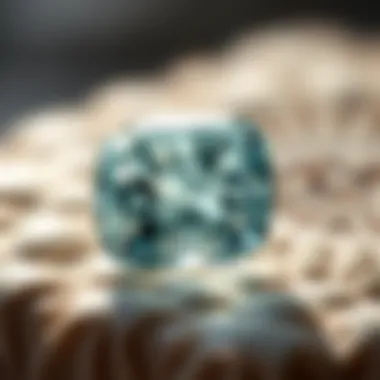
Aquamarine, with its striking blue and green hues reminiscent of the vast ocean, has long captivated the hearts of many. This gemstone, assigned as March’s official birthstone, carries a wealth of cultural and historical significance that transcends generations. As we embark on this journey to discover aquamarine, we’ll delve beyond its sparkling exterior to uncover the essence of what makes this stone so cherished.
From its physical attributes to the mythical tales woven into its identity, aquamarine stands not just as a decoration but as a symbol of deeper meanings. People often associate it with tranquility, beauty, and that calming spirit we seek during tumultuous times. As we explore its rich narratives, we’ll also touch on the geological aspects that formulate its very being and the ways it has been used through the ages.
With this article, gem enthusiasts, jewelers, and curious minds alike will gain a clearer understanding of aquamarine, its standing within the realm of precious stones, and the unique position it occupies in both history and society.
Gemstone Overview
Definition of Gemstones
A gemstone is more than just a pretty rock; it is a natural mineral or organic material that has been cut and polished to create something beautiful. These stones often boast aesthetic value, but they can also possess substantial cultural or spiritual significance. Gems can range from being widely recognizable, like diamonds and rubies, to those that might fly under the radar for most people. Regardless breed, gem lovers know that each stone tells a story.
Classification of Gemstones
Gemstones can be primarily classified into two categories: precious and semi-precious. While precious gemstones like diamonds, emeralds, and sapphires command high prices due to their rarity and demand, semi-precious stones such as amethyst and aquamarine can still hold immense beauty and significance.
Aquamarine falls into the semi-precious category, yet don’t let that label fool you; its allure is undeniable. With clarity that rivals many precious stones and colors that mirror the sea, aquamarine occupies a unique niche. The clarity, hue, and cut can influence its value, making some pieces remarkably more sought after than others.
Understanding these classifications isn’t just about market worth; it provides insight into what makes certain stones desirable within different cultural contexts.
Historical Significance
Origins of Gemstone Use
The use of gemstones can be traced back thousands of years. Ancient civilizations recognized their beauty and began to adorn themselves with these unique materials. From the Egyptians to the Romans, gemstones were not only a sign of wealth but also believed to hold mystical powers. For example, aquamarine was regarded as a sailor's gem, thought to ensure safe travels on the treacherous seas.
The earliest known reference to aquamarine dates back to the Roman era, where it was regarded as a symbolic stone of happiness, making it an appropriate gift for newlyweds. These historical ties, rooted in belief systems of the past, often dictate how today’s world perceives this gem.
Cultural Insights: Gemstones in Ancient Civilizations
Aquamarine’s significance in various ancient cultures extends beyond its beauty. It was often linked with deities and used in rituals or as protective talismans. It’s said that Roman sailors would carry aquamarine onboard to ensure favorable winds and trouble-free voyages. Role models and important religious figures would wear aquamarine as a representation of wisdom and hope, adding layers of importance to this lovely stone.
In more contemporary settings, aquamarine symbolizes courage and tranquility, making it especially appealing to those born in March. Its calming energy resonates with the qualities of a peaceful sea, serving as a reminder of nature’s beauty and the serene moments life offers.
From its geological formation to its cultural and historical roots, aquamarine is indeed a stone that tells a rich story. As we continue to explore its physical attributes, uses, and the mythological narratives surrounding it, we’ll unravel even more of what makes this captivating gem stand out in the expansive world of gemstones.
"Aquamarine is a reminder that even the deepest and stormiest of seas can calm, revealing the beauty that lies beneath."
For more in-depth reading, you may refer to resources like Britannica or Wikipedia. \n
The March Birthstone: An Prolusion to Aquamarine
Aquamarine, the birthstone for March, is not just another gem; it’s a vibrant symbol of serenity, clarity, and tranquility. Its exquisite hues of blue and green resonate deeply, echoing the soothing essence of ocean waves, which is why it has captured hearts—and imaginations—for centuries. The significance of discussing aquamarine in this article lies in its unique properties, rich history, cultural relevance, and the emotional connection it invokes for those born in March.
Definition and Overview
Aquamarine, belonging to the beryl family, has a color that ranges from a light blue to a greenish-blue, often resembling the sea itself. Its name comes from the Latin phrase "aqua marina," meaning "water of the sea," which perfectly encapsulates the gem's essence. The crystal structure of aquamarine enhances its clarity and brilliance, making it a sought-after stone for jewelry. This section establishes the foundation for understanding the depth of aquamarine's allure, serving both aesthetic and emotional purposes.
The Historical Context of Aquamarine
Understanding aquamarine's history gives us insight into why it holds such importance today. Its journey through time reveals trade, lore, and human creativity all tied to this stunning gemstone.
The Discovery of Aquamarine
The discovery of aquamarine dates back to ancient civilizations, where it was often regarded as a treasure of the sea. Ancient Romans believed it was a gift from Neptune, the god of the sea, believed to bring peace to sailors and protect them from dangers during their voyages. This connection with the ocean undoubtedly contributes to its popularity today, especially among those with a maritime lifestyle or affinity for water. Furthermore, early miners would extract aquamarine from the Brazilian hills, where not only the gem but also the stories of its discovery spread like wildfire across ancient trade routes. Thus, its allure goes beyond mere appearance; it’s rooted in history, bridging cultures, and connecting communities over time.
Historical Trade Routes and Their Impact


Aquamarine's significance in history flourished partially due to the extensive trade routes that existed during ancient times. The Silk Road, for instance, facilitated the exchange of goods—including aquamarine—between East and West. As the gemstone traveled along these routes, it was imbued with various cultural meanings, further enriching its narrative. This cross-cultural journey has influenced how aquamarine is perceived today, making it a gem that symbolizes not only beauty but also connection and unity. Its diverse history contributes to the gem's high value and enduring popularity among collectors and enthusiasts alike.
Mythology Associated with Aquamarine
Mythology associated with aquamarine paints it as a stone of courage and tranquility. The ancient Greeks believed it was a powerful talisman against storms and a symbol of good fortune for sailors. Its calming color was said to inspire creativity and enhance communication—making it a favored choice for artists and writers seeking clarity. From the legend of mermaids adorning themselves with aquamarines to the belief that it held healing properties for those suffering from ailments related to water, every tale adds layers to aquamarine's status. This aspect of aquamarine encapsulates not just its visual beauty but the lore that makes it a timeless choice for gifts and talismans.
"Aquamarine is more than just a gemstone; it's a vessel of history and mythology, guiding and grounding those who hold it close."
In summary, aquamarine isn’t merely the birthstone of March; it’s a gem woven into the fabric of history, mythology, and human connection. Understanding its meaning and cultural significance sets the stage for a deeper dive into its physical properties, uses, and more, creating a comprehensive view of this captivating stone that extends far beyond its surface beauty.
Physical Properties of Aquamarine
The physical properties of aquamarine play a significant role in understanding not just this gemstone but also its appeal across various industries such as jewelry and metaphysical practices. Each aspect, from its stunning color variations to its crystalline structure, conveys unique information about what makes aquamarine desirable. A good grasp of these properties provides insights for enthusiasts, collectors, and designers, making informed choices when purchasing or using this lovely gem.
Color Variations
Standard Aquamarine Colors
Aquamarine is often recognized for its remarkable hues of blue and green. Standard aquamarine colors generally range from pale blue to a deeper, more intense shade of blue. The most sought-after stones exhibit a vibrant blue resembling that of the ocean, which is often termed as 'aquatic blue.' This color contributes heavily to its popularity as a birthstone, resonating with themes of water, tranquility, and serenity.
One key characteristic of standard aquamarine colors is their adaptability when set in various jewelry styles. They can enhance the look of a simple silver ring or serve as the centerpiece in a grand statement necklace. Their subtle elegance allows them to seamlessly fit into myriad designs and occasions. A unique feature of these colors is how the light interacts with them; they can appear lighter or darker depending on the angle and the quality of light, which adds to their allure. However, lighter shades may sometimes lack the depth found in darker stones, which could be considered a disadvantage for particular collectors.
Rare Color Variants
Though standard colors dominate the market, rare color variants of aquamarine truly stand out. These include shades like greenish-blue and even some stones that possess hints of pink or lavender due to the presence of trace elements. This unique characteristic definitely separates them from their more common counterparts. These rare variants not only attract collectors but also often fetch higher prices due to their distinctiveness and limited availability.
The rare color variants contribute to the overall topic by showcasing the diversity and richness of this gemstone. They are beneficial for those looking to invest in unique pieces. However, since they are seldom found, it may require more effort to locate these extraordinary stones, presenting a challenge with potential “misses” along the way for some buyers.
Crystal Structure and Formation
Formation Processes
Understanding aquamarine’s formation processes is crucial. Like other gemstones, aquamarine forms under specific geological conditions. Generally, it crystallizes in the hexagonal system, which largely influences its clarity and internal structure. This gemstone originates primarily from granite pegmatites, where conditions like temperature and pressure combine to create the stunning crystals we see.
A key characteristic of aquamarine formation is the presence of beryllium, which adds to its unique properties and helps define its quality. The rich environment during its formation leads to the clarity and brilliance that collectors admire. However, the conditions required for its formation make its sourcing sometimes tricky, adding to its commodity value.
Geological Settings
The geological settings where aquamarine is found greatly impact its accessibility and quality. Aquamarine deposits are often found in locations such as Brazil, Nigeria, and Afghanistan. These settings are usually characterized by granitic terrain which plays a pivotal role in the quality of crystals produced. They offer invaluable hints as to why collectors may seek stones from specific origins.
A fascinating feature of geological settings is how they contribute to the trace impurities that result in color variations. Aquamarine’s appeal lies not only in its beauty but also in its story—the environment from which it hails. However, while sought after, some of these locations can present challenges in extraction, influencing both cost and availability in the market.
Hardness and Durability
Understanding Mohs Hardness Scale
Aquamarine scores between 7.5 and 8 on the Mohs hardness scale, which indicates that it is relatively durable. This scale helps to contextualize aquamarine in terms of both beauty and practical use. Jewelry wearers can benefit from this durability, as it can withstand the daily wear and tear to an extent, making it a practical choice for rings, earrings, and necklaces.
A prominent characteristic of aquamarine’s placement on this scale is that it allows for both versatility and longevity in jewelry pieces. A well-maintained aquamarine can last for generations, making it not just a purchase, but a family heirloom. Nonetheless, although it is durable, users should still be cautious against knocks and scratches, which can dull its beauty over time.
Comparative Durability
When comparing aquamarine’s durability with that of other gemstones in the same price range, it holds its own convincingly. While sapphires and rubies may rank higher on the hardness scale, aquamarine provides a compelling choice for consumers looking for a blend of beauty and practicality. Its resilience in everyday scenarios makes it appealing to both casual wearers and collectors alike.
The key benefit of aquamarine's comparative durability is its suitability for both casual use and fine jewelry, offering wearers the chance to don a beautiful stone daily without fear of easy breakage. However, potential buyers should be aware that while aquamarine is durable, it still demands proper care to maintain its shine and brilliance.
Cultural Significance and Symbolism of Aquamarine
Aquamarine is more than just a beautiful gemstone; it carries a deep cultural significance and rich symbolism that has evolved through the ages. In various traditions, it is associated with calming qualities, vitality, and even mystical properties. Understanding these elements not only enhances appreciation but also deepens the connection one may feel towards this exquisite stone. The multifaceted meanings behind aquamarine reveal why it continues to captivate hearts and minds worldwide.


Aquamarine in Different Cultures
The Roman Perspective
In ancient Rome, aquamarine was cherished by sailors, who believed it offered protection during their voyages. The Romans associated the stone with Neptune, the god of the sea. A popular practice included wearing aquamarine talismans on ships, as they believed it would calm turbulent waters and keep them safe on long journeys. This connection to the sea was not just about physical safety; it also symbolized prosperity and fertility, reflecting the Romans' reliance on the ocean for sustenance.
The Romans also appreciated the stone for its soothing colors, drawing parallels between its hues and the calmness of a tranquil sea. This connection fostered a deeper sense of respect and admiration for aquamarine. The key characteristic of aquamarine in Roman culture was its role as a protective charm, making it popular among travelers and a symbol of good fortune.
Influence in Ancient Egypt
In Ancient Egypt, aquamarine was revered as a gemstone of the goddess Isis, known for her wisdom and healing powers. Egyptians believed that the stone had strong associations with the afterlife, offering protection to the spirits of the deceased. It was often used in burial jewelry, signifying a safe passage to the afterlife.
Moreover, the unique feature of aquamarine that captivated the Egyptians was its vibrant blue color, thought to mimic the heavens. This made aquamarine synonymous with spirituality and enlightenment. The significant aspect of its influence in ancient Egyptian culture lies in its perceived magical properties, which were believed to bring clarity and courage, a highly beneficial quality that people sought from their possessions as they navigated life and death.
Modern Cultural Relevance
Today, aquamarine continues to play an important role across various cultures. In contemporary society, it's often gifted during significant life events, particularly in March, to symbolize love and fidelity. The gem has become popular not only in jewelry but also in wellness circles, where it is viewed as a calming stone that promotes peace and thoughtful communication.
Modern jewelry designers frequently incorporate aquamarine into their collections, showcasing its alluring color and contemporary appeal. The striking aspect of its modern relevance is its dual identity, both as a fashionable piece and a gem imbued with emotional significance. This versatility makes aquamarine a cherished choice for those looking to express sentiments through meaningful gifts.
Symbolic Meanings
Calmness and Serenity
Aquamarine has been historically associated with tranquility. People often view it as a calming presence in their lives, helping them to navigate personal challenges or turbulent emotions. The soothing colors remind one of serene waters, making it a popular choice for meditation and mindfulness practices. Its ability to induce feelings of peace contributes significantly to its appeal as a gemstone that fosters emotional balance.
The key characteristic that enhances its relaxed aura is its gentle blue tones. Those who own aquamarine often find solace in its beauty and are drawn to present and live in calmness, making aquamarine a valuable companion for stress relief.
Protection and Healing
Carrying the lineage of protective properties, aquamarine is thought to shield against negative energies and facilitate emotional healing. This gemstone's historical use as a talisman for sailors speaks volumes about its legacy in offering safety and defense. As a healing stone, it finds its place in alternative therapies where practitioners utilize it to balance energies and impart confidence.
The unique feature of aquamarine's healing aspect lies in its ability to provide clarity and self-expression, particularly during challenging times. People often turn to it during emotional upheaval, viewing it as a guiding light that fosters both inner peace and courage. Hence, aquamarine stands as a steadfast symbol of protection while enhancing the healing process, a vital attribute that resonates deeply with many.
Uses of Aquamarine Beyond Birthstone Jewelry
Aquamarine, renowned for its serene blue tones and captivating clarity, serves a purpose that extends well beyond being just a birthstone for March. While many people associate this gemstone primarily with jewelry, it holds a multitude of other important applications. In various cultures, aquamarine is esteemed not only for its beauty but also for its purported metaphysical properties. This section will delve into the diverse uses of aquamarine, shedding light on its fine jewelry applications and its significance in practices related to healing and spirituality.
Aquamarine in Fine Jewelry
Popular Jewelry Designs
Aquamarine finds itself at the heart of many popular jewelry designs due to its exquisite hues and overall aesthetic appeal. In fine jewelry, aquamarine's light blue to deep teal shades can evoke images of the sea, making it a favored choice for beach-themed collections. Not only is it visually striking, but its clarity also sets it apart from other gemstones when crafted into rings, necklaces, or bracelets.
These designs frequently emphasize the gemstone's natural brilliance, allowing it to shine both individually and in combination with other stones. Remarkably, aquamarine not only complements diamonds but also pairs beautifully with more colorful stones like citrine or amethyst, providing an eye-catching contrast.
When it comes to unique features in these pieces, the cut of the stone plays a significant role. The most popular cuts for aquamarine include emerald cuts and oval shapes, which enhance its clarity and refractive quality. In terms of advantages, the gemstone's hardness on the Mohs scale (7.5 - 8) ensures that it can withstand everyday wear compared to more delicate gems.
Setting and Craftsmanship
The craftsmanship involved in setting aquamarine is crucial to its overall impact in fine jewelry. Skilled artisans often employ intricate settings to elevate the visual elements of this stunning stone. Be it in a halo setting surrounded by white diamonds or a minimalist bezel setting that showcases the stone’s natural beauty, the artistry in the work contributes significantly to the final piece’s allure.
One of the defining characteristics of settings incorporating aquamarine is their versatility, making them suitable for various occasions, from casual to formal wear. A well-crafted setting ensures that the aquamarine is secure while allowing enough light to pass through, enhancing its luster. However, a consideration in this realm is that due to aquamarine's vibrant color, it can occasionally fade if exposed to excessive sunlight over prolonged periods—the importance of understanding proper care cannot be overstated.
Metaphysical and Healing Properties
Common Beliefs
Aquamarine is often attributed with a range of metaphysical properties, making it popular among those interested in spiritual and healing practices. Among the beliefs associated with this stone, it is thought to promote tranquility, balance, and emotional healing. Many enthusiasts claim that aquamarine supports individuals during challenging times, helping them to navigate stress or anxiety. Its clear blue appearance is said to mimic the calmness of serene waters, fostering a sense of peace in turbulent times.


The benefits of these beliefs are substantial as they encourage users to seek grounding and clarity in their emotional experiences. Moreover, those who value holistic living may find aquamarine especially appealing, as its associations with soothing energies resonate deeply within meditation and mindfulness practices.
Practices in Crystal Healing
In the realm of crystal healing, aquamarine is utilized for several specific practices aimed at spiritual growth and physical well-being. Many practitioners use aquamarine stones while meditating, believing that holding or placing the stone on certain chakras can enhance focus and encourage emotional release. It is commonly thought to aid in throat-related issues, making it an ideal stone for anyone seeking clarity in communication.
A unique feature within these practices is the ritual of charging aquamarine through natural water sources, which some healers find particularly effective. The water is said to imbibe the properties of the stone, amplifying its healing potency. However, as with any belief system, it is important for individuals to approach these practices with an open mind and an understanding of their subjective nature.
Care and Maintenance of Aquamarine
Caring for aquamarine is crucial for preserving its beauty and extending its lifespan as a cherished piece of jewelry or a collector's gemstone. Proper maintenance not only helps keep the stone looking its best, but it also ensures that its expressive color and clarity remain intact. Like any other precious stone, aquamarine can suffer from scratches, wear, and environmental damage if not tended to properly. By following some straightforward care tips, enthusiasts can enjoy their treasures for years to come.
Cleaning Techniques
Safe Cleaning Solutions
When it comes to cleaning aquamarine, opting for safe cleaning solutions is of utmost importance. Many household cleaners contain harsh chemicals that can dull the stone's surface or scratch it. Therefore, a gentle approach is most appropriate. A solution made of lukewarm water mixed with mild soap, such as dish soap, can effectively clean the stone without risk.
One of the key characteristics of this method is its simplicity; it avoids the need for specialized products that may not be readily available. Furthermore, using a soft cloth or a brush with soft bristles is a must while cleaning, as this minimizes the risk of abrasion. Avoiding high-temperature water is also essential, as rapid temperature changes can induce stress fractures in the gem. So, stick with warm water, and your aquamarine will thank you.
In contrast, some cleaners meant for other gemstones may contain abrasive components or strong chemicals, which could damage aquamarine. Thus, using a soap-water solution becomes a beneficial choice that aligns with the goal of maintaining the stone's glimmer over time.
Frequency of Maintenance
The frequency of maintenance is another vital element when caring for aquamarine. Generally, it is advisable to clean the stone at least once a month, especially if it is worn regularly. By establishing a routine, potential build-up of dirt and grime is minimized.
A key advantage of consistent maintenance is the ability to monitor any changes in the stone's structure, such as chips or cracks that may arise over time. Early detection of such issues can save costly repairs later on. The unique feature of maintaining a schedule is that it provides peace of mind for gemstone collectors and enthusiasts, ensuring that their treasured pieces are always in tip-top shape.
It's worth mentioning that, in some cases, aquamarine can be more susceptible to wear when exposed to frequent harsh treatments or being stored carelessly. Therefore, a balanced approach to cleaning every month can enhance the longevity of your gemstone.
Storage Requirements
Best Practices for Storing Gemstones
Proper storage is equally crucial in ensuring the longevity of aquamarine. The best practices for storing gemstones generally involve keeping them in a cool, dry place away from direct sunlight and extreme temperatures. Ideally, rocks like aquamarine should be stored separately from other jewelry pieces to prevent scratches from harder gemstones or metals.
This can involve placing the stone in a soft pouch or a lined jewelry box, which provides cushioning and protects it from inadvertent bumps. One distinct feature of this approach is the ease of access and organization it provides; layers of care can be maintained without the need for elaborate storage systems.
While it might be tempting to store aquamarine along with other stones for convenience’s sake, this practice runs the risk of damaging the piece. Hence, taking the time to organize and store aquamarine properly ensures it remains stunning and intact.
Avoiding Environmental Damage
Avoiding environmental damage is paramount in keeping aquamarine pristine. Factors such as humidity, extreme temperatures, and exposure to chemicals can cause the stone to lose its luster. For instance, wearing aquamarine while applying lotion or perfume can lead to a film developing on the surface, dulling its shine.
One significant characteristic of being cautious about environmental conditions is the prevention of permanent damage. Keeping aquamarine in a controlled environment protects it from moisture buildup and exposure to sun rays that could fade its color over time. Making conscious decisions about how and when to wear or care for aquamarine is a wise approach.
Overall, avoiding specific environmental elements will not only allow the piece to remain visually appealing but also ensures that its intrinsic value is preserved. Taking the time to understand these storage and environmental factors goes a long way in maintaining the allure of aquamarine.
End: The Timeless Allure of Aquamarine
Aquamarine, known for its breathtaking hues reminiscent of clear seas, holds a lasting charm that transcends time and trends. Its appeal goes beyond mere aesthetics; it symbolizes qualities that many hold dear: tranquility, hope, and clarity of mind. This stone has fascinated people through ages, and the reasons for its allure are myriad.
Summarizing Aquamarine's Appeal
When we consider aquamarine, we find that its appeal lies in several distinct characteristics:
- Stunning Beauty: The range of blues found in aquamarine, from pale oceanic tones to deeper, more vivid shades, captivates the eyes. Whether worn as jewelry or collected as a specimen, it can turn heads with ease.
- Historical Significance: Rooted in legends of sailors and marine deities, aquamarine carries a legacy that adds depth to its desirability. The stories that intertwine with its existence make this gemstone more than just a pretty face.
- Cultural Relevance: Across different cultures, aquamarine has been associated with protection and serenity. Ancient Romans gave it to sailors as a talisman against misfortune. This cultural weight continues to enhance its attractiveness today.
- Metaphysical Properties: Many braces and collectors believe in the healing properties of aquamarine, associating it with calming effects and soothing energies, solidifying its place in both the jewelry market and holistic practices.
"To wear aquamarine is to wear a piece of the sea, capturing its spirit and essence."
Perspective on Future Trends
The future of aquamarine seems promising as the trends in jewelry and gemstones evolve. Here are some noteworthy points to consider:
- Increasing Popularity in Sustainable Fashion: As ethical and sustainable practices take front and center stage, aquamarine's use in responsibly sourced jewelry could see a significant rise. Many designers today are leaning towards stones that not only have beauty but also a feel-good story behind them.
- Innovative Designs: Jewelers are increasingly experimenting with unique cuts and settings, ensuring that aquamarine’s natural beauty shines through in contemporary styles. Expect to see it in bold statement pieces that cater to younger generations who value originality.
- Holistic Practices: With an uptick in interest around crystal healing, aquamarine is likely to find a larger audience in wellness circles. The gemstone's calming connotations align perfectly with the wellness movement.
- Educational Initiatives: As interest grows, so does the need for more information about aquamarine, particularly concerning its origins and properties. Institutions and online platforms may increasingly offer courses and resources, fostering a deeper appreciation for this gemstone among enthusiasts and collectors alike.
Aquamarine is not just a birthstone; it is a gem with a rich narrative. Its impact in the world of gemstones is both substantial and evolving, paving the way for a bright future. Embracing its legacy while adapting to contemporary tastes will keep aquamarine at the forefront of the gemstone landscape.