Exploring the Beauty of Princess Cut Diamonds
Intro
Princess cut diamonds have gained considerable recognition in the world of jewelry, becoming a go-to choice for many couples. Their sleek lines and contemporary flair set them apart from traditional cuts like the round brilliant. But what exactly gives princess cut diamonds their unique charm? In this exploration, we will dissect their geometric structure, shining light performance, and compare them with other popular cuts. Additionally, we'll touch on crucial aspects such as clarity, color, carat weight, and the cultural significance these gems hold.
By the end of this article, both novices and seasoned enthusiasts will not only understand princess cut diamonds but appreciate their unmatched beauty and significance in various contexts, whether celebrating love or adorning oneself.
Gemstone Overview
Definition of Gemstones
Gemstones are naturally occurring minerals or organic materials that have been cut and polished for use in jewelry and decoration. They come in various shapes, sizes, and colors, each with its distinctive properties and appeal. A gemstone's value can substantially vary based on its rarity, clarity, size, and overall desirability.
Classification of Gemstones
Generally, gemstones are classified into two main categories: precious and semi-precious stones. Precious stones, such as diamonds, rubies, sapphires, and emeralds, are typically more sought after and valuable due to their rarity and aesthetic appeal. On the other hand, semi-precious stones encompass a broad spectrum of gemstones, including amethyst, garnet, and aquamarine.
Understanding these classifications can help jewelry aficionados make more informed decisions when selecting gemstones for purchase or investment.
Historical Significance
Origins of Gemstone Use
The use of gemstones dates back thousands of years. Ancient civilizations treasured these stones for their beauty and believed them to hold mystical powers. For example, the Egyptians adorned themselves with lapis lazuli, associating it with the afterlife and protection.
Cultural Insights: Gemstones in Ancient Civilizations
Throughout history, gemstones have impacted various cultures. In ancient Rome, wearing a diamond signified strength and courage, while the Chinese valued jade for its connection to purity and moral integrity.
"Gemstones have not just adorned but have also played significant roles in the cultural narratives of civilizations throughout history."
The cultural significance of gemstones extends to modern times, with diamonds representing love and commitment, often associated with engagements and weddings.
Prologue to Princess Cut Diamonds
In the realm of fine jewelry, few stones capture attention quite like the princess cut diamond. This cut, having cemented its place as a staple in modern engagement rings and exquisite jewelry designs, melds exquisite beauty with practical sophistication. The allure lies not only in its aesthetic charm but also in the diverse qualities that contribute to its appeal. Understanding the princess cut involves delving into its unique attributes, illuminating its history and significance in contemporary culture.
The history of the princess cut is intriguing—unlike older cuts like the round brilliant, which have roots reaching back centuries, the princess cut is a relatively modern invention. It made its debut in the late 20th century yet has quickly become a favorite for those seeking both elegance and a hint of boldness in their gemstones. Beyond its visual merits, this cut invites conversations about craftsmanship, innovation, and personal expression.
The journey to appreciating this cut begins with defining its characteristics. Its geometric shape, derived from a square or rectangular design, is particularly striking, appealing to those who appreciate clean lines and symmetry. However, it's not just about the visual; understanding how these diamonds interact with light adds another layer of fascination.
In this article, we aim to equip you with a comprehensive knowledge of princess cut diamonds. We will explore the intricate details of their shape, the brilliance they exhibit, and the comparative nature of different cuts. We'll also touch on practical matters like clarity, color, and the significance of these diamonds in various forms of jewelry.
"Diamonds may be a girl's best friend, but princess cuts have become the talk of the town in recent years, revolutionizing how we perceive diamond elegance."
As we journey through this examination, our goal is to ensure that both novices and seasoned gem enthusiasts can appreciate the aesthetics of the princess cut—its depth of meaning, its radiant charm, and the personal stories that often accompany such precious stones.
Defining the Princess Cut
The definition of the princess cut lies in its sharp, angular, square or rectangular shape, embodying a blend of modernity and tradition within its multifaceted brilliance. Unlike more classic cuts, which focus on rounded brilliance, the princess cut emphasizes a square profile, boasting a unique appeal. Its distinctive features include the presence of precise facets, which are designed to maximize light reflection and refraction, encapsulating a captivating sparkle.
One of the defining aspects of the princess cut is the arrangement of its facets—typically, it features 58 facets, akin to a round brilliant diamond. This specific arrangement allows for an impressive interplay of light, creating a dazzling effect that can rival that of the more universally recognized round-shaped diamonds. As buyers step into jewelry stores, their choices often hinge on this sparkling allure, with the princess cut emerging as a sophisticated alternative for those who want something a little different while still holding onto classic elegance.
Historical Context
When it comes to historical context, the princess cut provides a fascinating case study in evolution and transformation. Although the style became popular only in the late 1970s, its design lineage can be traced back to the 14th century when craftsmen in Europe began experimenting with various geometrical shapes to cut diamonds. Early interpretations of square cuts existed but were far less refined than the princess cut we admire today.
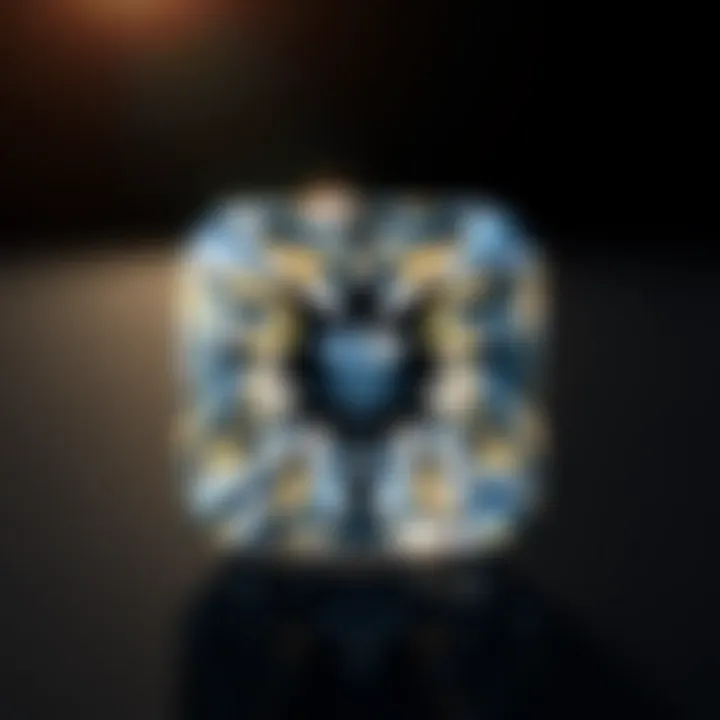
The advent of the princess cut can largely be credited to Betzalel Ambar and his groundbreaking work in diamond cutting during the 1970s. His innovative design redefined the boundaries of diamond aesthetics at the time and allowed for a more optimal expression of light and radiance. Since then, it has experienced a meteoric rise in popularity, especially in the 1980s and 1990s, aligning closely with the cultural shifts of those decades—emphasizing individuality, modernism, and a break away from traditional norms.
As we venture further into the aesthetics of the princess cut, we will unearth how its historical significance contributes to its modern-day prominence, revealing layers of meaning that go beyond mere beauty.
Physical Characteristics
The physical characteristics of princess cut diamonds play a pivotal role in their overall appeal. When you think of diamonds, it’s not just about the sparkle or the shine; it’s the very essence of how these gemstones are structured that captivates connoisseurs and casual admirers alike. This section delves into the intricacies of shape, brilliance, and proportions, which are all crucial in understanding what makes princess cut diamonds unique.
Shape and Geometry
At first glance, the shape and geometry of a princess cut diamond can set it apart from other cuts. It is characterized by its square shape with pointed corners, offering a contemporary twist on classic styles. This cut is designed to maximize light reflection, creating a dazzling effect that catches the eye.
When assessing a princess cut, one should consider the depth and width ratios. An ideal princess cut typically maintains a depth percentage between 60% and 70% while keeping a width-to-depth ratio under 1.05 for optimal brilliance. Knowing these measurements ensures that you’re not just captivated by the look but also by the craftsmanship behind it.
Understanding the geometry is key to appreciating beauty in diamonds. A well-cut princess diamond will display superior visual performance.
Brilliance and Fire
Brilliance and fire are not merely decorative attributes but the very essence of a diamond’s character. In layman's terms, brilliance refers to the amount of white light that scatters from the diamond, while fire describes the rainbow colors—both these aspects depend heavily on how the diamond is cut.
Princess cut diamonds feature numerous facets—often between 58 and 76—optimized to maximize light entry and retention. This complex array of surfaces allows light to bounce around inside the stone and exit in all directions, creating a magnificent dance of light. Jewelers often recommend viewing these diamonds in natural light to fully appreciate their visual splendor. The optical play presented by a well-cut princess diamond often leaves a lasting impression.
Proportions and Measurements
The proportions and measurements of a princess cut diamond impact its overall value and aesthetic appeal. For instance, the overall balance between the length and width, along with the table size and crown angle, can drastically influence how the diamond appears in terms of size and sparkle.
Common measurements to look out for include:
- Table Percentage: Ideally, between 65% and 75% provides a harmonious look.
- Crown Angle: A range of 30 to 35 degrees is often most effective for maximizing brilliance.
- Pavilion Depth: Should generally stay around 43% to 45% to maintain a refined appearance.
When these proportions align closely with established benchmarks, the resultant beauty of the diamond is more likely to resonate with buyers and collectors. Essentially, understanding these parameters is essential for anyone considering purchasing a princess cut diamond.
In wrapping up this section, remember that it’s not just the surface beauty of a princess cut diamond that draws in admirers. Beneath the surface lies a world of geometric art, just waiting to capture the light and your imagination.
Comparison with Other Cuts
When it comes to choosing a diamond, the cut can make a world of difference in its overall appearance. To appreciate the uniqueness of princess cut diamonds, it's essential to compare them with other commonly sought-after diamond shapes. This section not only highlights the distinguishing features and benefits of the princess cut but also elucidates the various considerations one must take into account when weighing options.
Princess vs. Round Brilliant
The round brilliant cut is arguably the most popular diamond shape on the market. Its classic circular design maximizes light performance, leading to exceptional brilliance and fire. On the other hand, the princess cut, with its square shape and brilliant facets, presents a different charm that appeals to many.
One standout feature of the princess cut is its geometric angles that create a unique interplay of light. Under certain lighting conditions, a princess cut can exhibit a dramatic sparkle that deviates from the uniform brilliance seen in round brilliants. However, achieveing optimal brilliance in a princess cut often requires more careful artistry in its faceting and proportions, which isn't always easy.
In terms of physical presence, the princess cut often gives a bolder appearance, making it a favorite for those who appreciate modern designs. Here are some important factors to consider:
- Brilliance and Fire: Round brilliants typically achieve better light reflection, while princess cuts excel in unique scintillation.
- Appearance and Style: Princess cuts often resonate well with contemporary fashion, while round diamonds lean towards traditional elegance.
- Price: Generally, princess cut diamonds can be more affordable than their round counterparts, given that more of the rough diamond is utilized in the cutting process.
"When choosing between a princess and round brilliant, consider if you prefer classic elegance or modern appeal."
Princess vs. Other Square Cuts
Beyond round cuts, princess cut diamonds also find themselves in competition with other square shapes, such as the Asscher and cushion cuts. While they all share a similar geometric base, their characteristics and aesthetics can vary significantly.
Asscher cuts, for instance, are known for their cropped corners and step-cut facets, which create a more vintage or art deco aesthetic. The clarity of the diamond becomes crucial in Asscher cuts as light performance is dependent on fewer facets than found in a princess cut.
On the flip side, cushion cuts combine aspects of both rounded and square shapes, making them versatile choices. Their larger facets can reflect light differently and, as a result, can provide a romantic and softly shimmering appearance.
Key Considerations When Comparing
When comparing these different cuts, several considerations need attention:
- Lighting Performance: Understand how different cuts interact with light and assess your priorities regarding sparkle and brilliance.
- Personal Style: Each cut expresses different sentiments; consider what resonates with you and your aesthetic preferences.
- Value Retention: Some cuts may hold their value better over time than others, so factor this into your long-term investment plans.
In sum, comparing princess cuts with other diamond shapes unveils the intricacies that define their allure. Whether drawn to the bold style of a princess cut, the classic appeal of a round brilliant, or the vintage charm of an Asscher, each diamond cut holds its unique narrative. The choice ultimately hinges on personal taste and the significance placed on various characteristics, shaping the journey of finding that perfect diamond.
Factors Influencing Value
When it comes to princess cut diamonds, understanding the factors that influence their value is imperative for any gemstone enthusiast or collector. Price is shaped by several elements, among which clarity ratings, color quality, and carat weight stand out. Each of these aspects not only contributes to the overall worth of the diamond but also affects its visual appeal. Thus, a thorough grasp of these factors can empower prospective buyers to make informed decisions.
Clarity Ratings
Clarity ratings play a pivotal role in determining the value of a princess cut diamond. These ratings are assigned based on the number, size, and visibility of inclusions and blemishes that may be present in the stone. The Gemological Institute of America (GIA) classifies clarity on a scale ranging from Flawless (no inclusions visible under 10x magnification) to Included (inclusions visible to the naked eye). The cleaner the diamond, the higher its value tends to be, as higher clarity translates to a more appealing visual effect where the brilliance is showcased unimpeded.
It’s also important to consider how princess cuts, with their unique faceting, may sometimes hide inclusions better than other shapes. Lower clarity diamonds may still present well in a princess cut because the cut's design can help to mask slight flaws. Therefore, assessing clarity requires not only looking at ratings but also understanding how the cut interacts with those imperfections.
Color Quality
Color quality is another critical factor influencing the price of a princess cut diamond. The GIA uses a scale from D (colorless) to Z (light yellow or brown) to evaluate color. Generally, colorless diamonds are more valued as they reflect light beautifully and transmit it with clarity. However, some buyers may prefer the warmer hues exhibited by diamonds below the G range, which can give a unique character to the stone.
Color can sometimes be evaluated differently depending on the cut. For instance, the princess cut's facets may reflect color differently than a round brilliant. Hence, examining a diamond in person is beneficial, as lighting conditions can greatly affect one's perception of a diamond’s color. Often, diamonds in the G to I range provide an excellent balance between price and appearance, offering a good option for those on a budget.
Carat Weight Considerations
Carat weight also significantly contributes to a diamond's value, as larger diamonds are rarer and highly sought after. However, for princess cut diamonds, the relationship between carat weight and price isn't always linear. While doubling the carat doesn't simply double the price, large diamonds tend to command greater interest.
It's also vital to note that how a diamond's carat weight is perceived can vary based on its dimensions and proportions. For instance, a well-cut 1.5-carat princess diamond might appear larger than a poorly cut 2-carat due to the variance in how light is handled. Therefore, it’s not solely about the weight but the brilliance and how well the diamond captures and refracts light, influencing its overall presentation and desirability.
To gain further insights on diamond ratings and characteristics, you may refer to the GIA's resources GIA.
Popular Uses in Jewelry
When it comes to the world of jewels, princess cut diamonds hold a special place, revered for their versatility and contemporary appeal. Their unique shape and brilliance are not just aesthetically pleasing but also functional in various jewelry applications. In this section, we will explore the most common uses of princess cut diamonds in jewelry, emphasizing their significance and attributes.
Engagement Rings
Princess cut diamonds are often the front-runners for engagement rings. Couples are drawn to their modern style and brilliant fire. The sharp lines and clean edges of a princess cut present a contemporary appeal that alludes to sophistication without being overly extravagant. Here’s why they have become such a popular choice:
- Versatile Settings: The square shape allows for creative settings, enabling the diamond to shine in myriad choices, from solitaire to multi-stone designs.
- Light Performance: With a remarkable ability to refract light, a princess cut diamond brings a spectacular sparkle, igniting emotions during significant moments like proposals.
- Symbolism of Strength: The angular facets symbolize strength and unity, values that resonate well with couples committing to a lifetime together.
Choosing a princess cut for an engagement ring not only captures the heart of the wearer but also reflects a shared vision of modern love.
"A princess cut engagement ring is not just a piece of jewelry; it's a testament to the journey two people embark on together."
Earrings and Necklaces
Princess cut diamonds are also favored in the realm of earrings and necklaces, showcasing their ability to adapt to any jewelry style. Their brilliance adds a touch of glamour to both casual and formal ensembles. Here are some benefits of incorporating princess cuts into earrings and necklaces:
- Dazzling Studs: In earrings, the princess cut shines brilliantly, making them ideal for stud designs that demand attention. Its sharp corners allow for a secure setting, maximizing the display of light.
- Layering Options: Necklaces featuring princess cut diamonds can be elegantly layered, creating a chic and trendy look. Whether in pendants or intricate designs, they never fail to enhance the overall aesthetic.
- Timeless Appeal: Both earrings and necklaces featuring this diamond shape can transcend fashion trends, providing a classic yet modern elegance that has stood the test of time.
Using princess cut diamonds in these jewelry types allows for a balance of beauty and versatility, embodying a form that complements any occasion.

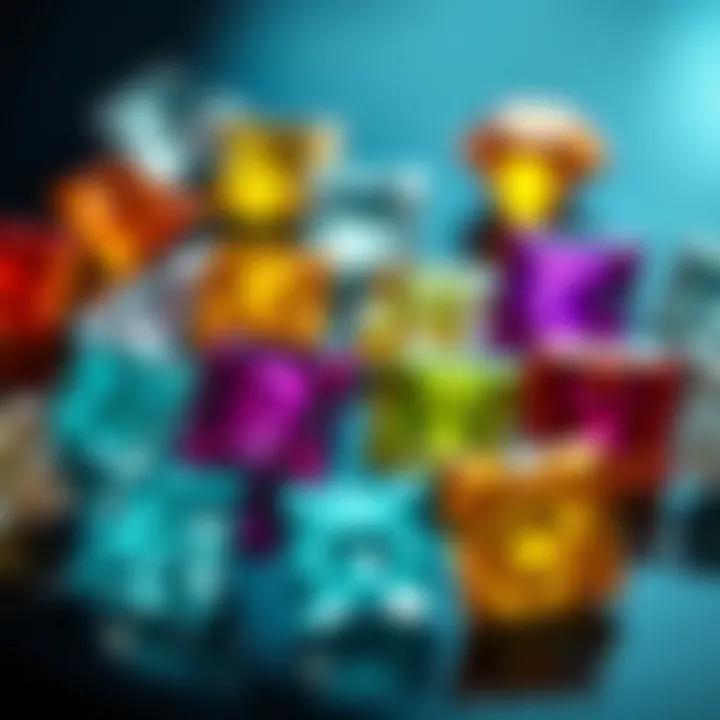
In summary, whether one wears a princess cut diamond in an engagement ring or as part of earrings, the impact is undeniable. Their visual charm paired with their versatile utility solidifies their status in the jewelry industry, making them a sought-after choice for many.
Cultural Significance
The cultural importance of princess cut diamonds stretches far beyond their visual appeal. They symbolize elegance, strength, and modernity in different contexts. Unlike traditional cuts, the princess cut has carved its niche as a contemporary choice for specific occasions, especially engagements. The significance of its unique shape and style reflects broader themes of relationships and societal norms which can evolve significantly over time.
Historical Symbolism
Diving into history reveals that diamonds, in general, have long been associated with various meanings throughout epochs. They were once believed to provide strength and protection to the wearer, showcasing not only beauty but a sense of secure intimacy. The princess cut, introduced in the late 20th century, took this historical symbolism and gave it a fresh twist. It is often seen as a metaphor for feminism and empowerment, where the angular facets signify the multifaceted nature of modern femininity.
In art and literature, diamonds have been featured as symbols of eternal love and commitment. This symbolism has significantly influenced their use in engagement rings. The princess cut's angular design lends itself to embodying the sharp clarity and strength inherent in relationships. When you hold a princess cut diamond, it’s as if you’re grasping a piece of that historical narrative, an emblem of modern love forged in the crucible of time.
Furthermore, variations in cultural practices can add layers to this understanding. For instance, in some South Asian cultures, the diamond's brilliance is equated with prosperity and a fortunate life, enhancing the princess cut's emotional weight to those who prioritize tradition in their jewelry choices.
Modern Interpretations
In today's world, the princess cut diamond has evolved into a key player in the jewelry market, resonating strongly with trends in design and emotional expression. Its sharp lines and symmetrical elegance are embraced by individuals looking for something different – a choice that speaks to a commitment that is both modern and timeless. Modern interpretations of the princess cut often embrace customization, allowing individuals to select settings that enhance the diamond's beauty while reflecting their personal aesthetic.
Social media platforms like Pinterest and Instagram have created a buzz around this cut. From unique engagement ring settings to creative accessorizing, the princess cut diamond has become a canvas for personal expression. Couples find joy in creating their stories through pieces that may reflect their shared experiences or aspirations. They see the cut as a joyful bridge connecting past traditions with contemporary values.
“The princess cut diamond is not merely a stone; it’s a statement of love, individuality, and modern sensibilities.”
As the cultural significance of the princess cut diamond continues to evolve, its ability to reflect societal shifts remains evident. From the traditional valuing of commitment to the modern pursuit of self-expression, the princess cut stands as a testament to changing ideals. Therefore, its allure transcends mere aesthetics, inviting discussions about deeper meanings and personal stories that resonate within the realm of gemstones.
Care and Maintenance
Caring for princess cut diamonds is a crucial aspect that many collectors and jewelry enthusiasts often overlook. A diamond, regardless of its cut, is an investment and a piece of art. Proper care ensures that its brilliance and charm withstand the test of time. Lest we forget, a well-maintained diamond not only sparkles more but also retains higher value if the wearer ever decides to sell or pass it down.
Cleaning Methods
To maintain the stunning appearance of a princess cut diamond, regular cleaning is imperative. Dust, oils from the skin, and even cosmetics can dull the stone's radiance. Here are some effective cleaning methods:
- Mild Soap and Water: Mix a few drops of gentle dish soap with warm water. Soak the diamond for a few minutes, then gently scrub with a soft brush, such as a baby toothbrush, to reach those tiny crevices. Rinse thoroughly and dry with a lint-free cloth.
- Prepare an Ammonia Solution: For a deeper clean, consider mixing equal parts of ammonia and water. Soak the diamond in this solution for no more than ten to fifteen minutes, then rinse and dry as mentioned above. This can refresh the sparkle significantly.
- Ultrasonic Cleaners: These gadgets use high-frequency sound waves to remove dirt and grime. They can be quite effective but should be used cautiously, especially for diamonds with flaws or enhancements. Always consult a professional before diving into this method.
Remember, never use abrasive cleaners or chlorine, as these can damage the diamond or its setting.
Storage Recommendations
When it comes to storing your princess cut diamond, preventing scratches and damage is key. Here are effective strategies:
- Individual Pouches or Boxes: Store your diamond separately in a soft pouch or a well-padded box. This prevents it from rubbing against other pieces of jewelry, which could lead to potential scratches.
- Temperature and Humidity Control: Keep your diamonds in a stable environment, away from extreme heat or humidity. Fluctuations can lead to condensation, which could affect the stone’s clarity.
- Use of a Jewelry Box with Compartments: A compartmentalized jewelry box is an excellent investment. This not only keeps your princess cut diamond secure but also organized, making it easier to find when you want to make a statement.
“Care and maintenance transform a beautiful diamond into an everlasting treasure.”
In summary, the longevity and sparkle of a princess cut diamond depend significantly on how one maintains it. Regular cleaning and appropriate storage go a long way in preserving the stone's appeal, ensuring that it remains a cherished possession for generations to come.
End
In the realm of precious gemstones, the princess cut diamond stands out, not only for its captivating brilliance but also for the intricate blend of artistry and geometry behind its design. As we wrap up this exploration, it is essential to recognize the various dimensions that contribute to the appreciation of princess cut diamonds. Understanding these elements not only enriches our knowledge but also enhances our decision-making when acquiring such exquisite stones.
Embracing the Beauty of Princess Cut Diamonds
When one delves into the aesthetics of princess cut diamonds, several aspects come to light. First and foremost is the unique visual appeal; the sharp corners and striking angles create a modern take on traditional cuts, appealing to those who desire both elegance and contemporary style. The proportions, carefully calculated, allow the diamond to reflect light in a mesmerizing manner, creating the signature sparkle we associate with high-quality gems.
Moreover, the versatility of the princess cut makes it a favored choice among jewelry enthusiasts. Whether set in engagement rings, earrings, or pendants, these diamonds adapt beautifully to various styles, enhancing the overall design without overpowering it. For jewelry designers, the versatility presents endless possibilities for creativity.
Another important consideration is the cultural symbolism tied to diamonds. A princess cut diamond is more than just a stone; it often signifies commitment, love, and the celebration of milestones. Knowing this can add another layer of meaning to the experience of buying or gifting a piece featuring a princess cut diamond.
Additionally, there are practical elements to keep in mind, such as clarity and color, which significantly influence the diamond's overall appearance and value. Understanding how each of these factors plays a role in the diamond's allure can empower buyers to make informed choices.
"Investing in a princess cut diamond is not merely a transaction; it’s a choice that reflects personal taste and deeper sentiments."