Exploring Chatham Yellow Sapphire: Unique Insights
Intro
Chatham yellow sapphire garners attention as a stunning alternative to natural stones, making waves in the gemstone market. Understanding this gem includes exploring its characteristics, historical roots, as well as buying practices, which brings us to the following sections.
Gemstone Overview
Definition of Gemstones
Gemstones are more than just decorative items; they are natural minerals that have been cut and polished for use in jewelry and decorative art. Unlike rocks, which can be made up of one or more minerals, a gemstone typically refers to a single mineral or crystal with specific physical and optical properties. The brilliance of Chatham yellow sapphire, for instance, rests in its clarity and color saturation which are important markers of any gemstone’s quality.
Classification of Gemstones
Gemstones typically fall into two primary categories: precious and semi-precious. This classification has historical significance, though today, the distinction often relies on rarity and value. Chatham yellow sapphire fits comfortably in the precious category alongside its blue counterpart, originating from the corundum mineral family.
Key points to note include:
- Precious Gemstones: Diamonds, rubies, emeralds, and sapphires.
- Semi-Precious Gemstones: Amethyst, turquoise, and garnet.
Chatham yellow sapphire stands out not only for its vivid hue but also for its man-made origins, appealing to collectors who seek ethically sourced options.
Historical Significance
Origins of Gemstone Use
Historically, gemstones have captivated human fascination for thousands of years. Ancient civilizations utilized them for adornment, symbolism, and even believed they had healing properties. Sapphire, including its yellow variant, often appeared in royal regalia, signifying power and prestige.
Cultural Insights: Gemstones in Ancient Civilizations
In cultures from ancient Egypt to India, gemstones were seen as vessels of protection and luck. For instance, Ancient Egyptians admired lapis lazuli for its association with the gods, while in India, sapphires adorned crowns of kings, showcasing wealth and dominance. The color yellow itself traditionally symbolizes prosperity in several cultures, making Chatham yellow sapphire not only beautiful but culturally significant.
"The allure of color and rarity defines gemstones far beyond their aesthetic appeal."
Understanding the historical context of gemstones helps collectors appreciate their significance in today's market, particularly for unique pieces like Chatham yellow sapphire.
Intro to Chatham Yellow Sapphire
As we embark on our journey into the vibrant world of Chatham yellow sapphire, it’s crucial to appreciate the unique attributes and significance of these gemstones. Not only do they stand out due to their striking color, but their origins and production methods also contribute to their intrigue. As gemstone enthusiasts, collectors, and jewelers alike seek to understand the deeper connections and implications surrounding these vivid stones, this section lays the groundwork for unearthing the rich layers of information related to Chatham yellow sapphire.
Defining Chatham Yellow Sapphire
Chatham yellow sapphire is classified as a created stone, meaning it originates from a lab rather than being mined from the earth. Developed by George Chatham in the mid-20th century, this gemstone is not merely a substitute for natural sapphires; its creation process allows for remarkable consistency in quality and color, making it an alluring choice for many connoisseurs.
With an eye-catching yellow hue often reminiscent of sunlight filtered through the leaves of a summer tree, Chatham yellow sapphire has gained a reputation for its warmth and charm. This particular shade is a result of trace elements, including iron, which contribute to its distinct appearance.
In contrast to traditional sapphires, which might exhibit a range of imperfections, Chatham yellow sapphire gemstones are renowned for their clarity. They typically undergo strict quality control measures that ensure each gem meets high standards.
Difference Between Natural and Chatham Created Stones
When delving into the distinctions between natural and Chatham-created stones, it’s not just a matter of origin. Natural sapphires form over millions of years through geological processes, often featuring inconsistencies such as inclusions or color variations, adding a layer of character. On the other hand, Chatham yellow sapphire is crafted under controlled conditions, which results in:
- Consistency: Unlike natural stones that can vary widely, Chatham yellow sapphires maintain a uniform quality and color.
- Affordability: Generally more accessible in terms of price compared to their natural counterparts, Chatham yellow sapphires offer an economical option for those wanting the beauty without the hefty price tag.
- Ethical Considerations: With growing concerns over the ethics surrounding gemstone mining, the lab-created nature of Chatham sapphires can be seen as a more sustainable choice, as it avoids the potential environmental impact of extraction.
"Chatham yellow sapphire allows individuals to appreciate the aesthetic beauty of sapphires while embracing ethical choices in gemstone acquisition."
Understanding these differences is essential for anyone considering adding Chatham yellow sapphire to their collection or jewelry designs. As we continue through this article, we will explore various facets, from the origins to the market value, giving a well-rounded perspective on this remarkable gem.
The Origins of Chatham Yellow Sapphire
Understanding the origins of Chatham Yellow Sapphire is crucial as it lays the groundwork for appreciating the gem’s uniqueness and its place in the gemstone market. The Chatham gem company, based in the United States, pioneered the creation of synthetic gemstones, including this stunning yellow sapphire. Knowing its history and production techniques provides valuable insight for gemstone enthusiasts, collectors, and those interested in jewelry making. It’s not just about the aesthetics; the story of how these gems come to life speaks volumes about innovation in the gemstone industry.
A Brief History of Chatham Gems
The story of Chatham gems began in the 1970s, a period marked by exploration and advancement in the field of gemology. Richard Chatham, the founder, sought to create high-quality synthetic gemstones while ensuring they appealed to a broader audience. Frustrated with the inconsistencies seen in natural gemstones, Richard envisioned a gem that would exceed the traditional standards of clarity and color.
In 1976, this vision came to fruition when Chatham, after years of experimentation, successfully synthesized a range of gems, including yellow sapphire. Sourced from high-purity aluminum oxide, the process was revolutionary, marrying scientific precision with the age-old allure of gemstones.
Chatham Yellow Sapphire gained recognition not only for its vibrancy but also for its ethical production, as it provided a sustainable alternative to mined sapphires. Over the years, the gem has captured the hearts of collectors, cementing its status in the jewelry market.
Production Techniques of Chatham Yellow Sapphire
The meticulous production techniques behind Chatham Yellow Sapphire are a blend of art and science. Using a hydrothermal process, manufacturers replicate the natural conditions under which sapphires typically form deep within the Earth. This method has numerous advantages:
- Consistency: Each Chatham Yellow Sapphire possesses uniform quality, which is difficult to achieve with mined counterparts.
- Clarity and Color: The control over the growing environment means less saturation in color and higher clarity, resulting in stunning gemstones that can rival natural ones.
- Ethical Sourcing: Since they are created in a lab, these gems do not contribute to the environmental and ethical issues that sometimes accompany the mining process.
This process involves sophisticated technology that nurtures crystals over a period of months until they reach the desired size. Once matured, these crystals undergo cutting and polishing, transforming them into brilliant gemstones ready for sale.
Chatham Yellow Sapphire can vary in hues from a soft pale yellow to a vibrant golden color, allowing for versatility in jewelry design. Such a range means they can cater to differing style preferences, making them popular among jewelers and consumers alike.
In summary, the origins of Chatham Yellow Sapphire not only reflect a passion for innovation but also represent a shift towards more sustainable practices in the jewelry industry. By combining historical context with modern production techniques, Chatham has carved out a significant niche, making it a fascinating subject for anyone interested in gemstones.
Physical Properties of Chatham Yellow Sapphire
Understanding the physical properties of Chatham Yellow Sapphire is crucial for anyone contemplating an investment in this brilliant gem. These properties not only define its beauty and resilience but also influence its value in the marketplace. When enthusiasts and collectors evaluate a sapphire, the focus often lies in three primary aspects: color, clarity, and durability.
Color Characteristics
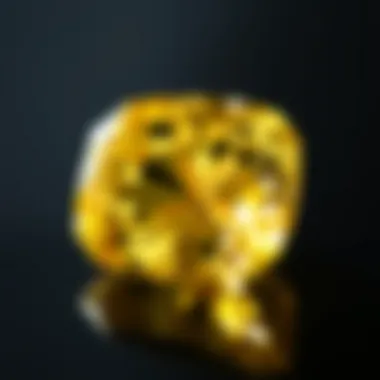

Chatham Yellow Sapphire is renowned for its striking hues, ranging from soft pastel yellows to rich, golden tones. The quality of color is determined by several factors, including hue, saturation, and tone. Generally, the most desirable yellow sapphires exhibit vivid, saturated colors without overtones of brown or gray.
- Hue refers to the actual color of the gem, while saturation addresses the intensity of that color.
- A well-saturated yellow sapphire will catch the light and display a lively brilliance that makes it stand out in any setting.
The depth of color in Chatham Yellow Sapphire can significantly affect its allure. It's essential to evaluate the stone under different lighting conditions to fully appreciate its beauty. Natural sunlight, incandescent bulbs, and fluorescent lighting can affect how a sapphire reveals its true color. Understanding these nuances can help buyers make a more informed choice, ensuring they select a gemstone that truly resonates with their personal aesthetics.
"The color of a gemstone is often its most captivating feature; it can evoke emotions and hold meanings that transcend mere beauty."
Clarity and Cut
Clarity levels in Chatham Yellow Sapphire can range from eye-clean to inclusions that may be visible to the naked eye. This gemstone is engineered with precision, and many Chatham stones achieve high clarity levels thanks to advanced production techniques. Here’s what to consider:
- Inclusions: These can include natural fractures or gas bubbles often seen in traditional stones. While some inclusions can detract from a gem’s value, others may not significantly impact its aesthetic appeal.
- Cut: The cut is another pivotal element affecting both beauty and value. A well-cut sapphire will sparkle with brilliance and radiate light evenly across its surface. Common cuts for yellow sapphires include round, oval, and cushion cuts, each offering a different play of light.
When investing, buyers should prioritize both clarity and cut, as they are fundamental in determining a gemstone’s overall quality and longevity. A well-cut yellow sapphire will not only dazzle but will also endure the test of time, retaining its allure for years to come.
Durability and Hardness
Chatham Yellow Sapphire scores a 9 on the Mohs scale of hardness, making it an incredibly durable option for everyday wear. This substantial hardness places it just below diamond, making it resistant to scratching and abrasion. For anyone involved in jewelry design or looking to incorporate this gemstone into daily wear rings or bracelets, durability is vital.
- Resilience: This stone can withstand typical wear and tear, making it suitable for pieces that are more than mere aesthetics.
- Maintenance: Since maintaining a yellow sapphire requires minimal effort—regular cleaning with a soft cloth and mild soap suffices—its durability is a considerable advantage for jewelry enthusiasts.
In summary, the physical properties of Chatham Yellow Sapphire—its color, clarity, and hardness—play a significant role in reinforcing its status as a sought-after gem. A comprehensive understanding of these attributes not only enhances the value of the stone but also ensures that buyers make informed choices, ultimately paving the way for a lifetime of admiration.
Metaphysical Properties and Beliefs
The metaphysical properties attributed to Chatham yellow sapphire unveil a fascinating intersection of crystal healing and spiritual exploration. For gemstone enthusiasts and collectors alike, understanding these properties can enrich one's appreciation of this vibrant gem. Many believe that gemstones hold energies that go beyond their physical composition, influencing emotional, spiritual, and mental well-being. As a result, Chatham yellow sapphire captures not just the eye but also the spirit, sparking a deeper connection among those who wear it or simply keep it nearby.
Gemstones are often seen as conduits for healing and enlightenment. In this context, the metaphysical properties of yellow sapphire speak volumes. For starters, it's heralded as a stone of wisdom and prosperity, with practitioners claiming that wearing or carrying this gem can enhance concentration and bring clarity in decision-making. While there is no scientific grounding for these claims, believers swear by the benefits—this detachment from materiality is what makes the world of gemstones allure to many.
Spiritual Significance of Yellow Sapphire
The spiritual qualities of yellow sapphire are rooted in its association with the energy of the sun. Many consider it a stone of light that symbolizes positivity, joy, and enlightenment. This gem is often linked to various ancient texts, where it is revered as a crystal that can open the door to higher consciousness. People look to yellow sapphire for inspiration, creativity, and encouragement, believing that it can dispel negative energies and foster a deeper relationship with oneself.
A significant aspect of the spiritual significance of yellow sapphire involves its perceived ability to attract success. Many cultures regard it as a talisman for prosperity. When it comes to practical applications, people often wear it during important life events—be it exams, job interviews, or even during spiritual ceremonies. The belief is that it amplifies self-confidence and promotes assertiveness, thus aiding in achieving personal and professional goals.
Key Attributes of Spiritual Significance:
- Vitality: A source of energy, often associated with renewed vitality in life.
- Abundance: Many individuals believe it attracts wealth and success.
- Joy: Represents joy and happiness, promoting a positive outlook on life.
Chakra Associations
Chatham yellow sapphire is closely linked with the Solar Plexus Chakra, which governs personal power and confidence. This chakra is located just above the navel, and a well-balanced Solar Plexus Chakra promotes self-esteem, decision-making abilities, and emotional resilience. When this chakra is open, individuals typically feel a sense of control over their lives, which aligns beautifully with the qualities that yellow sapphire is said to promote.
When engaging with yellow sapphire, practitioners advocate for mindful practices, such as meditation or affirmation techniques, to align the energies of the gemstone with the Solar Plexus Chakra. Holding the stone while visualizing its golden hue can invoke feelings of empowerment, thus aiding in both spiritual and personal growth.
- Balancing: Wearing or meditating with yellow sapphire is said to help balance the Solar Plexus Chakra.
- Focus: Encourages mental clarity which aids in effective communication and action.
"The right gemstone at the right time can act as a catalyst for personal transformation."
Market Value and Investment Potential
When diving into the realm of Chatham Yellow Sapphire, the topic of market value and investment potential is crucial for anyone considering this brilliant gemstone. For collectors, enthusiasts, and designers, understanding what drives the market can lead to informed purchasing decisions and future investments. This section will provide insight into specific factors influencing the value of Chatham Yellow Sapphire and highlight current market trends that may shape its future in the gemstone world.
Factors Influencing Price
Several aspects play a pivotal role in determining the price of Chatham Yellow Sapphires. Here are some of the key drivers:
- Color Quality: The depth and hue of yellow can vary widely. A vibrant, saturated yellow often fetches higher prices. Gemstones that mimic the color of precious yellow sapphires are often more sought after.
- Clarity: Just like traditional sapphires, clarity significantly impacts pricing. Less inclusions and visible flaws can elevate the stone’s desirability and price tag.
- Size: Larger stones typically command higher premiums. A substantial Chatham Yellow Sapphire can be a showstopper and thus more valuable to collectors and designers alike.
- Cut: The craftsmanship of the cut influences how light interacts with the stone. A well-cut gem enhances its brilliance and overall aesthetic appeal, leading to increased market value.
"When investing, appreciate the gem for its beauty and potential, not just as a price tag."
Also, the market stability and reputation of the Chatham brand enhance its value over time. Being a recognized name in the gemstone sector, Chatham’s commitment to quality and ethical production has positioned its stones favorably in the eyes of conscientious buyers.
Current Market Trends
Understanding the prevailing market trends surrounding Chatham Yellow Sapphire can provide a glimpse into future investment opportunities. Here are some contemporary observations:
- Growing Popularity: In recent years, gemstone enthusiasts have shown a marked interest in colored gemstones, particularly those that offer exceptional value. Chatham Yellow Sapphire’s rarity combined with its affordability compared to natural yellow sapphires has made it increasingly desirable.
- Sustainable Sourcing: A significant shift toward ethically sourced gemstones has emerged, and Chatham’s commitment to responsible practices resonates with modern buyers. This trend is likely to lend further value to their stones.
- Customization Surge: Jewelry designs that incorporate Chatham Yellow Sapphire are becoming more popular. As consumers seek unique and personalized pieces, this trend augments demand, pushing prices upward.
- Influence of Social Media: Platforms like Instagram and Pinterest play a role in driving the visibility of gemstone jewelry. As users showcase their Chatham Yellow Sapphire pieces, this exposure fuels interest and potential market fluctuations.
Keeping an eye on these trends can serve those looking to buy or invest, ensuring that acquisitions align with market movements.
By understanding the multifaceted elements determining market value and investment potential, enthusiasts can better navigate their choices in the world of Chatham Yellow Sapphire, making choices not just based on beauty but also on financial foresight.
Buying Guide for Chatham Yellow Sapphire
When venturing into the world of Chatham yellow sapphire, it's essential to equip oneself with a solid buying guide. This section serves as your roadmap, detailing the key elements, benefits, and practical considerations that come into play when purchasing this exquisite gemstone. In essence, understanding what to look for, ensuring the authenticity of your stone, and knowing how to maintain its brilliance can make all the difference in making a wise investment. A well-informed buyer is always better positioned to enhance their collection or craft a stunning piece of jewelry.
What to Look For
When selecting a Chatham yellow sapphire, several factors come into play that can significantly affect both the aesthetic and the monetary value of the stone. Here are the critical elements to consider:
- Color: The hue of your sapphire should be vibrant and luminous. Look for a rich golden yellow that embodies warmth. Avoid stones that look dull or washed out, as they may not hold their value well.
- Clarity: Ideally, a Chatham yellow sapphire should be eye-clean, meaning that no inclusions should be visible to the naked eye. Inspect the stone under good lighting and consider a jeweler's loupe to analyze the internal structure.
- Cut: The cut of the gemstone can greatly influence its brilliance. A well-cut stone reflects light beautifully, enhancing its allure. Common cuts include oval, round, and cushion shapes.
- Carat Weight: Generally, larger stones carry a higher value, but size should not trump quality. Even a smaller stone may be more desirable if it has superior clarity and color.
- Origin: Although Chatham yellow sapphires are created in a controlled environment, knowing their origin can be beneficial. Some collectors place more value on stones with a reputable history or those that come with certification.
Certification and Authenticity


Understanding the importance of certification cannot be overstated. This documentation provides a guarantee that the stone you are purchasing is indeed a Chatham yellow sapphire and not a synthetic substitute or lower-quality stone. Here’s what you should keep in mind:
- Certification Bodies: Look for certificates from reputable gemological institutions like the Gemological Institute of America (GIA) or the American Gem Society (AGS). These certificates will outline key characteristics of your sapphire, including color, clarity, and carat weight.
- Documentation: Always ask the seller for the stone's certification at the time of purchase. If they cannot provide this, it could be a red flag. A reliable seller will not hesitate to share this essential information.
- Expected Characteristics: The certification should clearly state that the stone is lab-created but possesses the same properties as natural sapphires. Ensure that it contains details specific to Chatham creations, as these specifications assist in verifying authenticity.
Proper certification not only assures you of a quality product but also aids in future resale, should you choose to part with your extraordinary stone.
In summary, equipping yourself with the right knowledge about what to look for and understanding the significance of certification will undoubtedly enhance your purchasing experience and satisfaction with Chatham yellow sapphire.
Caring for Your Chatham Yellow Sapphire
Caring for your Chatham yellow sapphire is not just about keeping it shiny; it's about preserving the gem's essence. These vibrant stones are not only visually stunning but also carry emotional significance. Just as one would care for a treasured heirloom, proper maintenance enhances the gem's beauty and longevity.
Cleaning Techniques and Maintenance
Regular cleaning of your Chatham yellow sapphire is essential to keep it looking its best. Dust, dirt, or oily residues can dull its brilliance over time. Here are some simple yet effective cleaning methods:
- Warm Soapy Water: Combine a few drops of mild dish soap with warm water. Soak the stone for a few minutes, and then gently scrub it with a soft brush. An old toothbrush works wonders for hard-to-reach places.
- Avoid Harsh Chemicals: Steer clear of strong cleaners or jewelry dips, as they can damage the stone's surface. Chatham yellow sapphires are more durable than most but don't test their limits.
- Rinse Thoroughly: After cleaning, rinse the gem under lukewarm water to wash away any soap residues. Pat it dry with a soft, lint-free cloth to avoid scratches. This method helps maintain clarity and enhances the stone's natural hue.
“A clean gem is a happy gem!”
A well-maintained sapphire is a delight to behold and can become a showpiece in any collection.
Taking care of your gemstone also means paying attention to when and how you wear it. Avoid exposing the sapphire to harsh environments, such as while performing activities like gardening or heavy lifting. Even though the stone is tough, protecting your investment from scratches or chips is wise.
Storage Recommendations
How you store your Chatham yellow sapphire can significantly impact its longevity. Follow these recommendations for optimal storage:
- Soft Lining: Whether in a jewelry box or a designated gem case, ensure the interior is soft. A lined box shields your gemstone from scratches caused by other jewelry or objects.
- Separation from Other Jewels: Store your sapphire separately. Using compartmentalized cases is an excellent way to avoid any contact that could lead to potential damage from harder stones.
- Environment: Keep the storage environment stable. Avoid places with extreme temperature fluctuations and high humidity, as these conditions can affect the gem's integrity over time.
Before storing, ensure the sapphire is clean and dry. The last thing you want is residue trapping dirt while tucked away. A little care in storage can prevent headaches down the line.
Chatham Yellow Sapphire in Jewelry Design
Chatham yellow sapphire is more than just a vibrant gemstone; it's a versatile choice that graces various types of jewelry, adding a pop of color and sophistication. When it comes to designing pieces, this unique stone offers both aesthetic appeal and practical advantages. Its rich, buttery hues make it a crowd favorite, but the qualities that facilitate customization also set it apart.
Popular Styles and Settings
Jewelry designers increasingly gravitate towards Chatham yellow sapphires for a variety of styles, which can suit both casual and formal occasions. Here are some prevalent types:
- Rings: Whether it’s an engagement ring or a statement piece, Chatham yellow sapphires fit beautifully in a halo setting, surrounded by smaller diamonds or sapphires, making the yellows really stand out.
- Necklaces: They shine brightly in pendant forms, often featured on delicate chains. A solitaire necklace is an excellent choice for a subtle touch, while a multi-stone design caters to those seeking something bolder.
- Earrings: Studs in Chatham yellow sapphire often provide just the right amount of color for both everyday wear and special occasions. Drop earrings, featuring the sapphire coupled with other gemstones, can create an alluring effect that draws attention.
These styles not only highlight the stone's visual appeal but also its durability, making any piece both stunning and long-lasting.
Customization Options
Customization plays a vital role in jewelry design, particularly for pieces featuring Chatham yellow sapphire. The ability to adapt designs according to personal taste ensures that each piece remains unique. Here are a few popular customization options:
- Metal Choice: Desiring a contemporary look? Consider yellow gold or rose gold to complement the warm hues of the sapphire. For a sleeker design, white gold or platinum accents might be just the ticket.
- Personalized Engravings: Engravings can add more than just aesthetic value. Including a special date or initials can transform a beautiful piece into a cherished keepsake.
- Mixed Gemstone Designs: Pairing Chatham yellow sapphire with other stones—like diamonds, amethysts, or even pink tourmaline—can create a visually enticing contrast that amplifies the sophistication of the jewelry.
"The beauty of Chatham yellow sapphire lies not just in its color but in the endless possibilities it presents for personalization and creativity."
In summary, Chatham yellow sapphire stands as a favored choice among jewelry designs due to its versatility and unique aesthetic. The continual evolution of styles and customization options enriches the experience for both jewelers and clients, ensuring that this beautiful stone maintains its popular status in the world of gemstones.
For those interested in the intricate world of jewelry design, exploring the possibilities of Chatham yellow sapphire is a worthy endeavor.
Cultural Significance of Yellow Sapphire
The cultural significance of Chatham yellow sapphire extends beyond its physical beauty. This gemstone embodies a tapestry of meanings and values across various societies, making it a compelling subject of study for enthusiasts and collectors. The allure of yellow sapphire lies not only in its vibrant color but also in the beliefs and traditions that have been woven around it. By understanding these cultural ties, one gains insight into why the stone is cherished worldwide.
Historical Context in Different Cultures
Throughout history, yellow sapphire has held a prominent place in numerous cultures. In many South Asian traditions, particularly in Hinduism, yellow sapphire is considered a stone of prosperity and wisdom. It is associated with Jupiter, the largest planet in the solar system, believed to bring good fortune and enhance one's knowledge when worn. Consequently, it is often gifted during special occasions and ceremonies, reflecting its strong ties to auspiciousness and wealth.
On the other hand, in cultures like those of the ancient Greeks and Romans, yellow sapphires signified nobility and authority. Often used in regal jewelry, their presence would denote status and grandeur among leaders and elite classes. This historical reverence has paved the way for the gemstone to remain a symbol of power even in modern contexts.
"In many cultures, the metaphysical aspects of gemstones are treated with utmost respect, as they are believed to possess the ability to influence various aspects of life."
Moreover, the brilliant color of the yellow sapphire has also made it an object of desire in artistic circles. Artists and jewelers alike have celebrated its unique hues in their creations, embedding it in tapestries and paintings throughout history. This rich artistic backdrop adds depth to its cultural significance, showcasing its versatility across domains beyond mere adornment.
Modern Uses in Ceremonies
In contemporary society, Chatham yellow sapphire is not limited to regal displays or religious symbolisms. This gemstone has made its mark in various modern ceremonies, marking pivotal life events such as weddings and graduations. Many couples opt for yellow sapphires in engagement rings or wedding bands, promoting notions of loyalty and commitment. In addition, its bright, cheerful hue is thought to symbolize new beginnings, making it a fitting choice during graduation ceremonies where achievement and future prospects are celebrated.
Furthermore, yellow sapphire often finds a place in spiritual ceremonies and rituals. For example, during significant Hindu festivals, it may be included in offerings or worn by participants seeking blessings for health and prosperity. This continues to breathe life into the traditions established centuries ago, ensuring that the cultural relevance of the stone endures in modern practices.
Comparative Analysis with Other Sapphires
When examining gemstones, a comparative analysis can often yield rich insights into their unique features and market standing. Focusing on Chatham yellow sapphire in relation to other sapphires—especially traditional blue varieties—allows one to grasp not just aesthetics but also value and significance across cultures. This analysis serves as a bridge, connecting enthusiasts with deeper understandings of their chosen gems.
Chatham Yellow vs. Traditional Blue Sapphire
Chatham yellow sapphire and traditional blue sapphire are as different as chalk and cheese, yet both bear the sapphire name. The color is one obvious distinction; while blue sapphires are admired for their deep, royal hue, Chatham yellow sapphires flaunt a vibrant golden tone that can evoke feelings of warmth and energy. This color is a distinct selling point for collectors drawn to the sunlit allure of yellow gemstones.
- Market Value: Traditionally, blue sapphires fetch higher prices largely due to their long-standing history in royal adornments and classic jewelry. Yet, Chatham yellow sapphires have slowly found their niche, often being seen as a more economical yet stunning alternative. They often appeal to buyers looking for something fresh and unconventional while still enjoying a gem of significance.
- Cultural Significance: Blue sapphires have deep roots in various cultures, from representing wisdom and nobility in a range of ancient societies to their prominence in modern engagement rings. Chatham yellow sapphire, however, tends to be celebrated for different connotations, often associated with prosperity and joy in many cultures. It’s not just a beautiful gem but also a symbol of optimism and new beginnings.
In the end, choosing between these two boils down to personal preference. Do you prefer the traditional regal appeal of the blue sapphire, or does the cheerful brightness of the Chatham yellow sapphire resonate more? Both have their place in the gemstone tapestry, reflecting the diverse desires of collectors and jewelers alike.


Unique Qualities of Chatham Yellow Sapphire
One of the best things about Chatham yellow sapphire is its distinctive qualities that set it apart from its peers.
- Origin: Unlike traditional sapphires that are mined from the earth, Chatham yellow sapphires are created in a lab environment, which ensures a few unique advantages. This artificial origin allows for greater control over quality and minimizes inclusions that might otherwise detract from the stone's appearance.
- Color Variability: The vibrant yellow shades can vary quite a bit. Some stones radiate a soft buttery tone, while others can display a bright canary hue that truly sets them apart. This range allows buyers flexibility in selecting the exact shade that speaks to them.
- Sustainability: In an age where consumers are increasingly mindful of ethical sourcing, the creation of Chatham yellow sapphire presents an appealing eco-friendly option. By reducing the need for mining, these stones mitigate some environmental impacts, making them attractive for those who prioritize sustainability.
In summary, while both the Chatham yellow and traditional blue sapphires offer beauty, the unique qualities of Chatham yellow sapphires open up a new world for gemstone enthusiasts and collectors. Each gem represents not just a form of beauty but a narrative that interweaves history, culture, and personal choice.
Ethical Considerations
Ethical considerations in the gemstone industry have gained increasing attention over the years. As awareness rises about the implications of sourcing, the demand for transparency and responsibility in production becomes crucial. For Chatham Yellow Sapphire, these considerations not only affect the market value but also shape consumer trust and brand loyalty. Understanding the ethical landscape is essential for anyone interested in gemstones, as it provides insight into the true value and impact of their purchases.
Sourcing and Production Ethics
The process of obtaining gemstones like Chatham Yellow Sapphire often involves complex ethical questions. One important aspect is how the stones are created. Chatham gems are synthesized in a laboratory, diverging from traditional mining methods. This differentiation plays a pivotal role in the ethical conversation.
Manufacturing gemstones in a controlled environment minimizes the associated environmental degradation and labor exploitation seen in many mining operations. Furthermore, Chatham gems often adhere to stricter regulations, promoting responsible practices throughout production.
When looking for Chatham Yellow Sapphire, collectors should prioritize those sourced from responsible suppliers who demonstrate transparency in their practices. This not only ensures that the stones have been ethically created but also supports the broader movement toward sustainability within the jewelry industry.
Here are some key points regarding sourcing ethics:
- Transparency in Origin: Insight into how and where the gem was produced can help buyers make informed choices.
- Environmental Considerations: Laboratory-grown stones typically come with a lower environmental footprint compared to mined alternatives.
- Social Responsibility: Supporting companies that prioritize ethical labor practices enhances the welfare of workers involved in the gemstone industry.
Impact on Local Communities
While laboratory-produced gemstones like Chatham Yellow Sapphire pose less risk of environmental and human rights violations, they also carry implications for local economies reliant on gemstone mining. The decline of traditional mining could lead to economic challenges for communities that depend on this industry for jobs and income.
However, the rise of ethical gemstones can simultaneously prompt a shift in how these communities operate. For example, with decreased demand for mined stones, opportunities for diversifying local economies could emerge. Communities might pivot toward sustainable tourism or develop alternative agricultural practices to create new income streams.
It's crucial to note that educating the consumer about these dynamics can foster support for local communities affected by the transition to ethical sourcing. Collaborative efforts between gemstone companies and local governments can lead to sustainable development that benefits everyone involved.
"Ethics in gemstone sourcing is not just about avoiding harm; it’s about fostering lasting positive relationships with communities and the environment."
In summary, while Chatham Yellow Sapphire represents a more ethical choice in gemstone purchasing, it is imperative to remain conscious of the broader impacts on local mining communities. By promoting ethical practices and supporting responsible sourcing, collectors can play a role in shaping a more sustainable and equitable gemstone industry.
Future Trends in Chatham Yellow Sapphire
The world of gemstones is ever-evolving, and Chatham Yellow Sapphire is no exception. Its place in both the jewelry market and the broader gem community is subject to trends shaped by consumer preferences, advancements in technology, and an increasing awareness of ethical sourcing. Given how this gemstone embodies both beauty and ethical production, understanding future trends in Chatham Yellow Sapphire is crucial for enthusiasts, collectors, and jewelry designers alike. By exploring these trends, stakeholders can make informed decisions that resonate with the values of both the market and individual buyers.
Emerging Market Patterns
As we look ahead, there are some notable shifts in how Chatham Yellow Sapphire is perceived and purchased. Here are a few trends that are beginning to take shape:
- E-commerce Expansion: Online gem shops and marketplaces are exploring digital avenues, allowing buyers to access a wider range of Chatham Yellow Sapphires from the comfort of their homes. This accessibility is helping to elevate the profile of these gems among a younger audience.
- Sustainable Practices: More consumers are becoming conscious of where and how gems are sourced. Chatham Yellow Sapphire, known for its laboratory-created nature, is increasingly appreciated by buyers as a sustainable option. This ethical angle is becoming more attractive to individuals who prioritize eco-friendly choices in their purchases.
- Customization and Personalization: The desire for uniqueness in jewelry is on the rise. Buyers are increasingly looking for custom pieces that reflect their personal stories or significant life events. This trend complements the versatility of Chatham Yellow Sapphire, which is adaptable to a variety of styles and settings.
These market patterns indicate that Chatham Yellow Sapphire could see a surge in popularity, especially as younger consumers become more prominent in the buying space.
Innovations in Gemstone Production
The methods of creating Chatham Yellow Sapphire have advanced significantly, setting the stage for future innovations that will likely enhance both its desirability and the techniques of production. Here are several ways in which innovations are likely to impact this sector:
- Advanced Synthesis Techniques: As technological advancements continue to evolve, we can expect to see improvements in the synthesis of Chatham Yellow Sapphires. Techniques that yield higher-quality stones with better color saturation and clarity can create even more demand from jewelers and consumers alike.
- Enhanced Gem Treatments: Methods used to enhance the color or clarity of gemstones are also becoming more refined. New treatments could make the Chatham Yellow Sapphire even more appealing by emphasizing its vibrant hue and ensuring its longevity.
- Transparency in Production: Innovations are not just about the stones themselves but also about the transparency of the production process. Buyers are increasingly interested in knowing how their gems are made. The companies producing Chatham Yellow Sapphires are likely to adopt technologies that allow them to better track the creation process, enhancing consumer trust and engagement.
As Chatham Yellow Sapphire continues to find its footing in the gem world, these emerging patterns and innovations will highlight its unique standing as an ethical alternative, offering both beauty and integrity in a marketplace that values both.
Common Misconceptions
Misunderstandings about Chatham yellow sapphire can often create barriers for prospective buyers and enthusiasts alike. These misconceptions stem from a lack of awareness about the gemstone’s unique characteristics as well as its value in the broader gemstone market. It is crucial to address these misbeliefs as they can impact purchasing decisions, and ultimately, the appreciation of this vibrant gem. By dispelling myths and clarifying facts about Chatham yellow sapphire, individuals can make informed choices whether they are collectors or jewelry designers.
Dispelling Myths About Chatham Yellow Sapphire
One common myth is that Chatham yellow sapphires are inferior to natural yellow sapphires. This notion is based on the misunderstanding that only stones formed by nature hold true value and beauty. In reality, Chatham yellow sapphires are created using sophisticated processes that replicate the natural conditions under which precious stones form. As a result, these gemstones often exhibit stunning clarity and brilliance, making them appealing choices for jewelry. Moreover, many gem enthusiasts appreciate the quality and ethical sourcing associated with Chatham-created stones.
"Chatham grew their stones through processes that resemble nature’s handiwork, offering quality and beauty that can stand toe-to-toe with their natural counterparts."
Additionally, there's a belief that Chatham yellow sapphires lack the metaphysical properties often attributed to natural gemstones. However, many enthusiasts argue that the energy and symbolism of sapphires can transcend their origins. In fact, users typically report experiencing similar benefits—like enhanced focus and wisdom—whether the stone is natural or lab-created. This implies that the powers associated with these gemstones may rely more on personal beliefs than on the stone's origin.
Clarifying Differences from Other Gemstones
It’s vital to distinguish Chatham yellow sapphire from other types of gemstones, particularly those that are typically confused with it. For instance, many people confuse yellow sapphire with topaz or citrine due to their similar color tones. However, Chatham yellow sapphire generally possesses a higher refractive index, which contributes to its exceptional brilliance. Additionally, sapphires, including Chatham ones, display a stronger durability compared to topaz and citrine.
Another point of confusion involves the characteristics that set Chatham yellow sapphires apart from traditional yellow sapphires. The primary difference lies in the origin. While traditional yellow sapphires are formed over millions of years within the Earth, Chatham yellow sapphires are rooted in cutting-edge technology and precise crafting techniques. Buyers should understand that both types of stones are beautiful in their own right, yet their journey to market is distinctly different.
In the grand scheme, understanding these delusions is pivotal for appreciating Chatham yellow sapphires. This enhances not just personal knowledge but also potentially boosts market understanding for those looking to invest. As more individuals become aware of the facts surrounding these stones, their popularity is likely to grow, benefiting both the sellers and the buyers in the gemstone marketplace.
The End
Understanding Chatham yellow sapphire is akin to peeling layers off an onion; each layer unveils new insights, historical significance, and contemporary relevance. This gem embodies not just a radiance that catches the eye but also a rich narrative that resonates with both earth’s mysteries and societal trends. As the article has explored, it's clear that this gemstone, born from advanced techniques, offers value that transcends mere aesthetics.
Summarizing Key Takeaways
Several key points arise from our exploration of Chatham yellow sapphire:
- Origin and Production: Recognizing the innovative methods behind its creation gives collectors a perspective on quality and authenticity. Chatham yellow sapphires are not formed through the lengthy natural processes of their mined counterparts but are instead cultivated through precise scientific techniques.
- Physical Properties: With their vibrant hues and remarkable clarity, Chatham yellow sapphires stand out among other colored gems. Their unique color characteristics can range from soft pastels to deeper looks, giving buyers various options to suit their preferences.
- Market Dynamics: The value of Chatham yellow sapphires is influenced by market trends, quality, and demand. Buyers ought to stay informed and vigilant to make sound investments.
- Ethical Sourcing: An emphasis on ethical considerations plays a significant role in the gemstone industry today. Knowing the origins and production methods can assuage buyer concerns regarding environmental impact and community effects.
Final Thoughts on Chatham Yellow Sapphire
In closing, Chatham yellow sapphire serves as a prime example of how modern technology intersects with nature's beauty. For collectors, jewelry designers, and enthusiasts alike, it represents both a stunning accessory and a long-term investment. As society continues to value ethically sourced materials and innovative designs, the popularity of Chatham yellow sapphire is likely to rise. Whether wearing it for its aesthetic appeal or for its metaphysical associations, individuals have much to gain from this striking gemstone. The fusion of modern creation with traditional charm makes Chatham yellow sapphire a noteworthy contender in both the jewelry market and gemstone community.
In the grand tapestry of gemstones, Chatham yellow sapphire shines as a beacon of quality, ethics, and artistry.