The Enduring Charm of Classic Cut Diamond Rings
Intro
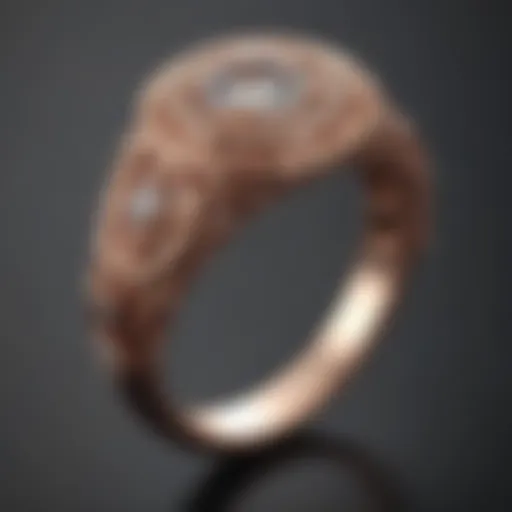
In the realm of fine jewelry, few pieces hold as much allure as classic cut diamond rings. The shimmering brilliance of these rings captivates the attention of gemstone enthusiasts, collectors, and casual admirers alike. Their enduring charm lies not only in their aesthetic properties but also in their rich historical narratives, the meticulous craftsmanship that goes into their creation, and their continued relevance in today’s fashion landscape. This article aims to provide a comprehensive exploration into this sparkling world, offering insights that span from historical significance to practical buying advice.
Gemstone Overview
Definition of Gemstones
Gemstones are natural minerals or organic materials that, once cut and polished, are crafted into jewelry or decorative items. Diamonds, in particular, are carbon crystals, one of the hardest substances known to man, valued for their unique optical properties.
Beyond mere rocks, gemstones are often viewed as carriers of emotion and significance. People frequently choose their gems based on personal meaning, ranging from birthstones linked to one's birth month to precious stones that symbolize milestones or feelings.
Classification of Gemstones
Gemstones can be broadly classified into two categories: precious and semi-precious stones. Precious gemstones like diamonds, rubies, sapphires, and emeralds are typically rarer and are valued for their beauty and durability. Semi-precious stones, such as amethyst or citrine, are more abundant but still highly sought after for their unique color and characteristics.
Key Differences:
- Rarity: Precious stones are rarer than semi-precious ones.
- Value: Precious gemstones are generally more expensive.
- Usage: Both categories find their place in jewelry design, but precious stones often adorn high-end collections.
When it comes to diamond rings, the classic cuts—like the round brilliant, princess, and emerald cuts—stand out. Each cut has its distinct features and appeal, making these rings not only a statement piece but also an embodiment of personal taste and style.
Did You Know? The round brilliant cut is the most popular diamond shape, accounting for approximately 75% of all diamond sales.
Historical Significance
Origins of Gemstone Use
The fascination with gemstones dates back thousands of years. Archaeological findings suggest that ancient civilizations harvested gems for both decorative and practical purposes. Early Egyptians, for instance, believed that gemstones held mystical properties. They adorned their pharaohs with lapis lazuli and turquoise, desired not only for their beauty but also for the supposed protection and status they conferred.
Cultural Insights: Gemstones in Ancient Civilizations
Throughout history, different cultures have revered various gemstones. For example, in Chinese culture, jade is seen as a symbol of purity and moral integrity. The ancient Greeks associated diamonds with divine strength. During the Renaissance, the appeal of gemstones solidified as they became symbols of wealth and power.
As we delve into modern times, classic cut diamond rings retain their place not just in jewelry collections but as emblems of love and commitment.
The blend of timeless history and modern craftsmanship resulting in stunning pieces keeps the appeal of classic cut diamond rings alive. As demand continues to evolve, understanding both the past and present offers valuable perspective for anyone involved in or even casually admiring the gemstone community.
To gain further insights into the historical importance of gemstones, visit Britannica.
Prolusion to Classic Cut Diamond Rings
Classic cut diamond rings have a unique position in the jewelry world, blending timeless elegance with enduring popularity. These rings are more than mere accessories; they symbolize love, commitment, and the intricate craftsmanship that goes into creating something that lasts for generations.
The importance of classic cut diamonds can be traced back through history, reflecting societal values and human emotions. Choosing a classic cut diamond ring is not just about aesthetic appeal; it represents a significant personal milestone. Whether it’s an engagement, anniversary, or a well-deserved gift to oneself, the choice of a classic cut diamond emphasizes thoughtfulness and intention.
Considerations when selecting a classic cut diamond ring can greatly affect the overall satisfaction of the buyer. Understanding the characteristics of various cuts—including the round brilliant, princess, emerald, and Asscher—enables individuals to make informed choices that align with their personal style and values. The beauty and brilliance of these stones can also vary significantly based on the precision of the cut and quality of the materials.
Another facet to appreciate is the craftsmanship that goes into these rings. Master jewelers invest countless hours ensuring that each diamond is cut to exacting standards, reflecting light in ways that captivate the eye. This craftsmanship not only influences the sparkle of the diamond but also its performance over time.
Thus, understanding the intention behind classic cut diamond rings helps both lovers of jewelry and casual admirers to appreciate their allure. As we explore the historical context, variations, and care for these pieces, it becomes clear that classic cut diamond rings are not mere ornaments; they are storied treasures that carry deep meaning and significance.
"A diamond is a story set in stone, a symbol of moments worth cherishing forever."
For gemstone enthusiasts and collectors, the classic cut diamond offers an avenue for fascination that combines history, beauty, and personal narrative. It's an investment, a pledge, and an expression of individuality.
Let us take a deeper dive into the historical context surrounding these remarkable gems.
Historical Context
Understanding the historical context of classic cut diamond rings offers a lens through which we can appreciate the artistry and craftsmanship involved in these timeless pieces. Every diamond ring tells a story, one that is interwoven with the cultural and social values of the time it was created. As this article unfolds, we will explore the rich narrative surrounding classic cuts, giving the reader insight into how these designs have traversed through time, shaped by innovations, demands, and symbolisms along the way.
The Origin of Classic Cuts
The genesis of classic cut diamonds can be traced back to the early 15th century, primarily in Europe. Early artisans experimented with diamond shaping and polishing, initially focusing on the diamond's inherent ability to refract light. The old mine cut, for instance, was one of the first notable styles, characterized by its large facets and a less symmetrical design compared to modern standards.
During this period, diamonds were valued not just for their sheer beauty, but also for their perceived mystical properties and status symbols. Wealthy individuals adorned themselves with these gems, believing they had protective qualities. The craftsmanship back then was labor-intensive, often involving skilled craftsmen who would utilize rudimentary tools. The basic aim was to enhance the stone's natural brilliance, though functionality and artistry often took different paths.
Evolution Over Centuries


As time went on, the evolution of diamond cuts mirrored advancements in technology and shifts in societal values. Through the Rococo period into the Victorian era, diamonds became increasingly popular, but new cutting methods began to take center stage.
- Transition to Brilliant Cuts: The late 19th century brought forth the round brilliant cut, devised by Marcel Tolkowsky in 1919. His meticulous calculations created a design that maximized a diamond's light performance. This cut’s rise in popularity marks a monumental shift in gemology, marking the blending of scientific inquiry with artistic sensibility.
- Emergence of Fancy Cuts: The introduction of fancy cuts, such as the princess and emerald cuts, emerged as preferences diversified. These cuts allowed for personal tastes to be expressed while maintaining classic elegance, paving the way for custom designs that reflect individual identities.
- Modern Influences: The late 20th century saw a surge in consumer demand for unique pieces, further pushing designers to explore innovative cuts while respecting traditional craftsmanship. Classic designs remained revered, almost as a nod to the past, illustrating the timeless appeal that these rings possess.
"A diamond's beauty is preserved not just in its brilliance but in the tales it has woven through time."
For further reading on the developments in diamond cutting, you can explore resources like Britannica, as well as discussions on forums like Reddit.
Types of Classic Cut Diamonds
The allure of classic cut diamonds goes beyond mere aesthetics; it delves into the nuances of design, brilliance, and emotional resonance. As gemstone aficionados, collectors, and jewelry designers explore the intricacies of this category, understanding the various classic cuts becomes essential. Each type exemplifies different facets of light and style, and when choosing the right piece, knowing these distinctions is crucial.
Round Brilliant Cut
The Round Brilliant Cut is arguably the most popular and widely recognized shape among all diamond cuts. Characterized by its precisely crafted facets designed to maximize light return, this cut achieves an unparalleled sparkle that captivates the eye. With typically 58 facets, this design ensures optimal reflection and refraction, leading to intense brilliance, which has made it a mainstay in engagement rings.
There’s a reason this cut is often deemed the standard. Its proportions and symmetry give it unique interactions with light, making it versatile enough to pair with various settings. Additionally, the round shape complements various styles, whether minimalist or extravagant, allowing it to resonate with a broad audience. When considering a Round Brilliant Cut, one must appreciate not only its beauty but also its historical significance as a go-to choice for love and commitment.
Princess Cut
Next in line is the Princess Cut, the modern counterpart to the round brilliance. Emerging in the late 20th century, this cut combines the elegance of traditional shapes with contemporary flair. Known for its sharp, angular lines and notable luminosity, the Princess Cut offers a distinctive look that appeals to many seekers of unique designs.
A hallmark of this cut is its ability to utilize the rough of the diamond effectively, often leading to a higher yield compared to other shapes. The facets are crafted to enhance sparkle, while the square shape complements a range of settings, from classic to modern aesthetics. It stands as a perfect choice for those who appreciate a bit of edge with their elegance. When selecting a Princess Cut, evaluating its proportions is essential to ensure that the light performance matches the rightful expectations one might have.
Emerald Cut
The Emerald Cut takes a different approach, characterized by its long rectangular shape and step-cut facets. This cut brings a sophistication that many adore, flaunting a timeless style that highlights the clarity of the diamond over its brilliance. The open facets create a reflective play known as the 'hall of mirrors' effect, drawing the viewer’s eyes to its depth and beauty.
As a classic choice, the Emerald Cut is often associated with vintage styles, harking back to a time where craftsmanship was paramount. This diamond cut demands an eye for quality; the clarity and color of the stone take center stage, making it crucial that buyers scrutinize these aspects. The overall impression is one of understated elegance, proving that simplicity often exudes the most luxury.
Asscher Cut
Similar to the Emerald Cut, the Asscher Cut features a square shape but with a more distinct, vintage flavor. Initially developed in the early 20th century, it has seen a resurgence in popularity due to its unique blend of brilliance and art deco aesthetics. Memorably, the facets create a mesmerizing depth that channels light inward, offering a beautifully reflective surface.
The Asscher Cut is particularly admired for its symmetry and geometric lines. Collectors often find this cut resonates with those who appreciate fine design and historical context, as it mirrors the art movements of its time. When venturing into this cut, one might need a discerning eye—ensuring that the proportions and craftsmanship come together harmoniously to achieve the iconic illusion of depth.
"In the realm of diamonds, the cut is where art meets science. Each classic cut serves a purpose, reflecting not only light but also the individuality of its wearer."
Understanding these classic cuts is pivotal in appreciating the world of diamonds fully. They're not just stones but expressions of artistry, history, and cherished moments. Each cut provides its own vibe, ensuring there is something for everyone in this timeless collection.
Craftsmanship of Classic Diamond Rings
The craftsmanship that goes into creating classic diamond rings is an intricate dance of skill, artistry, and precision. Unlike mass-produced jewelry, each piece is often the result of painstaking attention to detail and a deep understanding of materials. Such craftsmanship does not merely contribute to the beauty of the piece; it serves as a testament to the timeless appeal that classic cut diamond rings hold. From the initial design sketch to the careful hand-setting of stones, every step is critical in producing a piece that resonates with elegance and sophistication.
The Importance of Precision
Precision in diamond ring craftsmanship is non-negotiable. A tiny miscalculation can lead to an imperfect fit or a lackluster sparkle. The cut of the diamond directly influences its fire and brilliance, which is why the craftsmen must pay particular attention to angles and proportions. Potential buyers should keep in mind that when they invest in a classic diamond ring, they are also investing in the meticulous work of skilled artisans who have honed their craft over many years.
"The brilliance of a diamond ring is more than skin deep; it’s embedded in the precision of its cut."
When looking for a diamond ring, ask about the production process. Did the jeweler use computers for initial designs, or was it all done by hand? Such inquiries can reveal the level of precision that went into making the ring.
Materials Used in Construction
The materials used in crafting classic diamond rings are just as essential as the craftsmanship itself. Gold, platinum, and even palladium are among the most popular metals used, each bringing its own character to the design. For instance, platinum offers exceptional durability and a rich, white sheen, making it perfect for showcasing the diamond. On the other hand, gold comes in different hues—yellow, white, and rose—allowing for personal expression.
Moreover, the quality of the diamond itself should be meticulously evaluated. The stone must not only be beautiful but also ethically sourced. Many modern jewelers are committed to sourcing conflict-free diamonds that come from responsible mining operations.
Some essential materials include:
- Gold: Classic and luxurious, available in several colors.
- Platinum: Durable and hypoallergenic, ideal for daily wear.
- Diamonds: The centerpieces of rings, where cut, clarity, color, and carat weight dictate their value.
Understanding the materials and methods contributes to a deeper appreciation of the craftsmanship involved and the value of the piece as a whole. As consumers become more educated, they will discover that the particulars of craftsmanship and material choice greatly enhance the timeless charm of classic diamond rings.
Cultural Significance
The cultural significance of classic cut diamond rings extends far beyond mere adornment. These rings have evolved into symbols deeply ingrained in societies worldwide, representing commitment, resilience, and timeless beauty. Their meaning varies across different cultures, yet the common threads of love and unity remain strong.
Each ring carries a weight of history, speaking volumes about the emotions they represent. They serve as a tangible reminder of promises made—an unbreakable bond between partners. The corporate world often sees diamond rings as the epitome of high value and prestige, reflecting the wearer's taste and status. This ubiquity of classic cuts, particularly the round brilliant, has ensured that they have become synonymous with love—think about it: proposing with a diamond ring is, in many cultures, as standard as the sunrise.
"Traditions surrounding engagement and weddings often emphasize the enduring nature of relationships, and classic diamond rings epitomize this philosophy."
Symbol of Love and Commitment
At the core of the appeal of classic cut diamond rings is their representation of love and commitment. In numerous cultures, a diamond ring serves as a formal proposal of marriage. It embodies the unyielding nature of love, mirroring the hardness of diamonds themselves. A diamond stays intact under the harshest conditions—much like the ideals of a lasting marriage.
When one thinks of romantic jewelry, it's hard to escape the allure of diamond rings. The sparkling facets capture light beautifully, representing the hope and bright future partners aspire to build together. Engagement traditions across the globe often involve the gifting of a classic cut diamond, making it an essential part of many love stories.
- Round brilliant cut rings often grace the fingers of betrotheds in Western cultures as they symbolize eternal love due to their circular form, with no beginning or end.
Furthermore, commitment doesn't stop at engagement. Many couples exchange classic diamond rings during anniversaries or milestone celebrations. These rings narrate stories—each facet revealing a chapter in their shared lives.
Role in Various Traditions
Cultural practices surrounding diamond rings differ widely, showcasing their versatile symbolism. For instance, in Indian culture, the exchange of diamond rings during engagement is steeped in rituals, binding families as much as it binds couples. Traditionally, the ring is carefully chosen, ensuring it aligns with astrological factors, adding an intriguing layer of significance.
In contrast, in Western societies, diamond rings are often associated purely with romantic love. Engagement rings typically feature one prominent diamond, signifying the individual's commitment to cherishing and protecting their partner. Weddings further reinforce this theme, as couples often exchange wedding bands, many of which incorporate classic cut diamonds to symbolize their eternal vows.
Across various traditions, the elements of giving and receiving a diamond ring reflect shared values such as commitment, fidelity, and unity, showcasing how much weight these seemingly small pieces of jewelry can carry.
To sum up, classic cut diamond rings transcend mere fashion; they are culturally rich artifacts that carry deep emotional significance.
With careful consideration and respect for tradition, selecting a classic cut diamond ring can denote ties that are not only beautiful but also steeped in profound meaning.
For more insight into the cultural relevance of diamond rings, you can visit Britannica.
You may also explore community discussions on Reddit regarding personal stories about engagements and traditions.
Choosing a Classic Cut Diamond Ring
Selecting a classic cut diamond ring is not just about the obvious factors like style or the size of the stone. It's a journey that couples embark upon, often signifying monumental moments such as engagements or anniversaries. The choice carries a weight of significance, as it embodies not just an aesthetic preference, but also personal stories, tradition, and future aspirations.
When settling on a classic cut diamond ring, one ought to think deeply about what resonates most on a personal level, as well as the message the ring will hold for years to come. This commitment often merges emotion with practicality, intertwining personal taste with long-term investment values. Beyond just picking a sparkling gem, this selection process invites buyers to consider aspects such as lifestyle, the recipient's personality, and how the ring aligns with their social circle's norms and expectations.
Potential buyers find themselves navigating through an array of options, each cut presenting a distinct character and brilliance. Understanding these nuances therefore enables them to choose wisely. After all, a classic cut diamond ring is meant to be timeless, echoing sentiments like love and fidelity without the limitations of fleeting trends.
Factors to Consider
When choosing a classic cut diamond ring, a number of pivotal considerations come into play:
- Lifestyle Fit: Consider how often the ring might be worn. An active lifestyle might call for a lower profile ring that doesn’t catch or snag easily. In contrast, a more leisurely approach might welcome elaborate designs.
- Ring Settings: The setting not only affects the ring's appearance but also its practicality. Some settings, like halo settings, offer larger visual sizes without the hefty price tag, while others offer simple elegance but may require more care.
- Personal Style: The ring should reflect the wearer’s individuality. Are they drawn to vintage aesthetics? Or do they lean towards modern simplicity?
- Quality Over Quantity: A smaller, high-quality diamond often outweighs a larger, lesser-quality stone. The clarity, cut, and color are paramount.
This list is far from exhaustive, and it's often in discussions or explorations with jewelers or gemologists that couples can clarify their own preferences.
Understanding the Four Cs
The Four Cs - Cut, Color, Clarity, and Carat weight - serve as the benchmarking criteria in diamond appraisal and selection. Here’s a closer look:
- Cut: This determines the brilliance of the diamond. Good cuts reflect light, while poor cuts can result in a dull stone. Each classic cut emphasizes those features - for example, the round brilliant cut maximizes light with its 58 facets.
- Color: Diamonds are graded on a scale from D (colorless) to Z (light yellow). The closer to colorless, the more desirable the diamond usually is. It impacts the overall appearance significantly; a colorless diamond shines with unmatched clarity.
- Clarity: This refers to the presence of imperfections, both internal (inclusions) and external (blemishes). A higher clarity grade means fewer visible imperfections, resulting in a more pristine appearance.
- Carat Weight: Although often mistaken as the main determinant of a diamond’s value, the carat does affect the price. However, a higher carat weight does not always mean better quality. The other Cs significantly impact how the diamond appears to the naked eye.
It's essential for buyers to familiarize themselves with the Four Cs to make informed decisions. They provide the foundation upon which the choice of a classic cut diamond ring should be built.
"Choosing a diamond ring is a matter of aligning personal narratives with the tangible qualities expressed through the gem."
By understanding these aspects, potential buyers can approach their search with more confidence, ensuring they not only select a captivating piece but also one that reflects their intentions and affections.
Market Trends and Pricing
Understanding the landscape of market trends and pricing for classic cut diamond rings is vital for anyone in the gemstone community. These insights not only assist potential buyers in making informed decisions but also provide collectors and sellers with a clearer view of their investment's value. The dynamics of the diamond market shift influenced by numerous factors including consumer preferences, economic climate, and technological advancements in the diamond industry.
Current Market Dynamics
Today's diamond market is an intricate web of factors that intertwine to shape pricing and demand. From changes in mining practices to shifts in consumer attitudes toward sustainability, multiple variables play pivotal roles. Recently, there has been a notable increase in the popularity of lab-grown diamonds. Unlike their mined counterparts, these diamonds are generally less expensive, often leading to more price competition in the sector.
Moreover, projections show a steady demand for unique cuts and settings, which allow for personal expression in this high-value market. Classic cuts, like the round brilliant and princess, carry timeless appeal, yet their prices fluctuate based on rarity and market trends. Collectively, these nuances guide buyers' decisions and shape the broader industry landscape.
"Consumer preference is shifting toward ethical sourcing, which has spurred interest in both natural and lab-grown diamonds."
Investment Potential
Considering classic cut diamond rings as an investment necessitates a thoughtful examination of their historical value and future potential. Over time, well-selected diamonds have shown the capability to appreciate in value, sometimes significantly. Unlike more volatile investments, diamonds can provide a degree of economic stability. However, it’s important to recognize that not all diamonds are created equal.
When contemplating a diamond as an investment, factors such as the cut quality, clarity, and carat weight are paramount. A meticulously chosen ring can serve as both a personal treasure and a financial asset.
- Factors that might enhance investment potential include:
- Rarity of the cut
- Certification by reputable gemological organizations
- Historical significance
To sum up, while classic cut diamonds remain a robust option for investment, it's crucial to remain abreast of market conditions and consumer trends to make astute financial decisions. For some, the allure of a classic cut is not only its beauty but its potential for future appreciation.
Care and Maintenance of Diamond Rings
When it comes to diamond rings, especially classic cuts, maintaining their luster and brilliance is essential. These pieces of skincare are not merely for adornment; they hold sentimental value and often symbolize significant life moments. Therefore, caring for them is imperative not just to ensure their longevity but also to preserve the memories they represent. Keeping a diamond ring pristine means regular attention, which equates to financial wisdom for the gemstone enthusiast or collector. After all, an unkempt piece may lose its allure and value over time.
A bit of routine upkeep, including regular cleaning techniques and proper storage, can go a long way. Understanding these aspects will aid in keeping your classic cut diamond ring in tip-top shape, enabling it to sparkle just as brilliantly on any occasion as the day it was first received.
Regular Cleaning Techniques
Cleaning diamond rings may seem straightforward, but it’s crucial to follow specific methods to avoid damage. Over time, dirt, oil, and dust can accumulate in the crevices of the ring, dulling its shine. Here are some effective techniques:
- Soapy Water Soak: Create a mixture of warm water and mild dish soap. Let the ring soak for about 20 to 30 minutes. This loosens the grime without harsh applications.
- Gentle Brushing: After soaking, use a soft-bristled toothbrush to gently scrub the diamond, particularly around the setting and under the stone. Avoid anything abrasive to prevent scratching.
- Rinse and Dry: Rinse the ring under cool running water (make sure to plug the drain!) and dry it carefully with a lint-free cloth. This helps in maintaining the sparkle while avoiding water spots.
Taking care to regularly clean your ring will not only enhance its appearance but will also support the gemstone’s stability in its setting.
"A well-maintained diamond not only shines brighter; it tells a story that mirrors the care put into it."
Storage Best Practices
Storing diamond rings properly is just as crucial as cleaning. Many rings come with sentimental value, and improper storage can lead to scratches or damage. Here are some simple practices:
- Use a Ring Box: Always place your ring in a designated ring box lined with soft fabric. This prevents contact with other jewelry, which can scratch the surface.
- Separate Storage: If you have multiple pieces, store each ring separately. Use compartments or individual soft pouches to ensure they don't jostle against each other.
- Avoid Humidity: Store your diamond ring in a cool, dry place to prevent tarnishing of the metal and any moisture accumulation.
By adhering to these storage methods, you’re not only preserving the condition of your ring but also making sure it maintains its charm. Whether for your cherished heirlooms or your latest acquisitions, thoughtful care and maintenance will ensure that your classic cut diamond rings continue to dazzle for years to come.
For more insights on gemstone care, check Gemstone Guru and delve deep into the world of diamonds and their maintenance.
Famous Classic Cut Diamond Rings
The allure of classic cut diamond rings is further intensified by the famous pieces that have graced the fingers of historical figures and celebrities. These rings serve not just as jewels, but as tangible links to the past, representing love stories and personal milestones. Their presence in different eras adds another layer of significance, making them iconic symbols of their time.
Historic Pieces in History
Throughout history, certain diamond rings have not only captured the imagination but have also shaped societal norms and trends regarding engagement and luxury. One of the most notable examples is the diamond ring worn by Mary of Burgundy in 1477, which is often regarded as the first recorded instance of a diamond engagement ring. Her betrothal to Archduke Maximilian of Austria marked a shift in how diamonds were perceived—moving from decorative elements to symbols of commitment.
Another remarkable piece is the 30.42-carat cushion-cut diamond ring known as the "Imperial" diamond. Originally belonging to the last Emperor of China, Puyi, it was passed down through generations and is now recognized not just for its size but for the story it encapsulates of a bygone era. Its transformation from royal adornment to a collector's item showcases how time influences the perception of jewelry's value.
These pieces are crucial not merely for their aesthetic appeal but because they embody the rich history behind the classic cut. Engaging with these historic rings allows appreciation not just for their craft but also for the moments of significance they represent.
Celebrity Influence on Popularity
In the modern age, celebrity engagement rings have taken center stage and have significantly impacted the popularity of classic cut diamond rings. One prime example is the 20-carat diamond ring given to Elizabeth Taylor by Richard Burton, a ring that not only celebrated their tumultuous love story but also brought attention to the emerald cut's elegance. Taylor’s extravagant taste made her a style icon, and her choice in diamond rings shaped public perceptions about luxury and romance.
Similarly, the ring Prince William gifted to Kate Middleton, which features the late Diana Spencer’s stunning 12-carat sapphire surrounded by diamonds, revived interest in colored stones set in classic styles. This ring steered the trend towards vintage-inspired designs, appealing to a new generation of brides who cherish both style and sentimentality.
Celebrity endorsements can make or break markets, and the diamond industry is no exception. When famous faces choose certain styles, these pieces often become coveted symbols of fashion and status.
The Future of Classic Cut Diamond Rings
As we gaze into the crystal ball of diamond jewelry, it's clear that the landscape of classic cut diamond rings is set for transformative changes. These rings, steeped in history and legacy, will evolve while retaining their quintessential charm. Understanding the future of these timeless treasures encompasses various elements, including innovative design approaches and heightened consciousness regarding sustainability, which are reshaping consumer preferences.
Innovations in Design
The evolution of technology in the jewelry-making industry is set to bring fresh perspectives to classic cuts. Artisans and designers are not just reinterpreting these cuts but also experimenting with new settings and materials.
- 3D Printing: This technology is becoming a game-changer. It allows for intricate designs that were previously unimaginable. Just picture a diamond ring with a setting that appears to defy gravity, designed precisely to enhance the stone’s brilliance.
- Mixed Metals: We see trends merging different metal finishes to create a striking contrast. Imagine a classic round brilliant cut set in a combination of white gold and rose gold—it's a nod to both tradition and contemporary fashion.
- Innovative Settings: Beyond the standard prongs, mounting options now include bezels and tension settings. These designs can elevate the profile of classic cuts while ensuring a secure hold.
As new technologies emerge, we will likely see customizations that allow individuals to personalize their rings at a deeper level. This customization can range from engraving meaningful symbols to selecting alternative stones that invoke personal significance.
Sustainability Considerations
The conversation surrounding sustainability in the jewelry industry is gaining momentum. The future of classic cut diamond rings cannot be discussed without addressing the ethical considerations that increasingly guide consumer choices.
- Lab-Grown Diamonds: These are becoming a popular alternative to mined diamonds. Lab-grown stones possess the same physical and chemical properties as their natural counterparts, but they come with a significantly lower environmental impact. They also allow consumers to own a larger, high-quality stone that might be beyond reach in the natural market, thus creating a guilt-free purchasing avenue.
- Ethically Sourced Materials: The demand for transparency in the supply chain is on the rise. Consumers are actively seeking pieces verified to have been sourced responsibly. Brands that can assure customers of their ethical sourcing stand to gain a loyal customer base that's informed and conscientious.
- Recycled Metals: Leveraging recycled metals in jewelry is another significant movement. Using previously mined metals to create new designs reduces the environmental toll associated with mining and helps in minimizing waste.
The dual focus on innovative design and sustainability is expected to redefine the allure of classic cut diamond rings. This approach melds the old with the new, creating a transition that's as stylish as it is conscientious.
"The diamond of the future will not only sparkle but will also shine with integrity."
As we move forward, it’s essential to reflect on how heritage will marry with modern ethics, underlining a balanced approach that maintains the beauty of classic cut diamonds while addressing contemporary values.