Effective Techniques for Cleaning Silver Jewelry

Intro
Cleaning silver jewelry can seem like a daunting task to many, especially when faced with tarnish that dulls its shine. Yet, knowing the right techniques and tools can turn this chore into a straightforward process. Silver, adored for its beauty and versatility, often finds itself in the clutches of tarnish caused by exposure to air and moisture. This guide aims to delve into various cleaning methods while offering solid recommendations to elevate your jewelry care routine.
In this exploration, we'll discuss practical approaches to restoring the gleam of silver pieces and ensuring they retain their luster over time. Whether you are a novice or have been collecting silver jewelry for years, there’s something here for everyone. From common household items to specialized products, we'll unveil the many ways to keep your precious adornments looking as splendid as the day they were bought.
As we move through this guide, remember that maintaining your silver is not just about the immediate sparkle; it’s also about preserving history, sentiment, and craftsmanship. If you've ever wiped a favorite piece clean and felt a wave of nostalgia wash over you, you know what I mean. Silver jewelry often carries stories and memories that deserve to be cherished.
So, let’s take a closer look at the whys and hows of cleaning silver jewelry, ensuring your treasures continue to shine bright.
Intro to Silver Jewelry Care
Taking care of silver jewelry is more than just a routine; it’s a blend of appreciation and preservation. Silver, with its shimmering beauty, can be a cherished asset, yet it is also notorious for tarnishing if neglected. This care extends beyond mere cleaning; it embodies the respect one has for their adornments.
When one invests in silver jewelry, whether it be a delicate pendant or a bold cuff, understanding how to maintain its sheen is crucial. The art of silver care involves knowing when to clean, what methods to employ, and how to prevent tarnishing in the first place. Equipping oneself with this knowledge not only enhances the jewelry's longevity but also its aesthetic appeal.
The process of caring for silver can yield a range of benefits. For one, cleaning silver jewelry regularly helps to retain its shine and brilliance. Neglecting this can lead to an aesthetic that might remind you of your grandmother’s attic—dim, dusty, and lacking the radiance that once drew you to it. Moreover, knowing how to properly clean and store silver can save both time and money in the long run, preventing costly repairs or replacements.
In this article, we will explore the intricacies of silver care. It’s imperative to understand not only how to clean silver but also the underlying causes of tarnishing, which can be pivotal in crafting an effective maintenance routine. Through different cleaning techniques and preventive measures, readers will discover how to keep their silver pieces sparkling, reflecting an elegant history and personal story.
Importance of Cleaning Silver Jewelry
Cleaning silver jewelry is vital for the maintenance of its aesthetic quality. Silver, being a soft metal, is prone to scratches and tarnish. By keeping it clean, one not only enhances its natural beauty but also preserves its structural integrity. A clean piece of jewelry can avoid unwanted repairs, which can often cost more than cleaning it regularly.
Common Causes of Tarnishing
Understanding the factors that lead to tarnishing can be the first step in conserving silver jewelry effectively.
Exposure to Air and Moisture
Tarnishing often occurs due to exposure to air and humidity. Silver reacts with sulfur compounds found in the air and moisture, leading to that unsightly discoloration known as tarnish. This process, known as oxidation, builds up over time, turning the once-bright luster into a dull finish. Shielding silver from humid environments can greatly reduce the tarnishing process. It’s not just a minor annoyance; rather, it can significantly impact the value and beauty of the jewelry. Learning to store silver properly can be a game-changer when it comes to preserving its shine.
Chemical Reactions
Chemical reactions can be a silent assailant in the tarnishing of silver jewelry. Everyday products that humans commonly use—like lotions, perfumes, and even soaking in chlorinated water—contribute to tarnish buildup. Chemicals in these products can react with the metals in silver, causing it to lose its sheen. The key characteristic here is awareness; understanding how these reactions take place can help jewelry wearers make more informed choices about when and where to wear their silver.
"Keeping your silver jewelry away from harsh chemicals can save you from a tarnish nightmare."
Skin Compatibility
Curiously, even the skin of the wearer can influence the tarnishing process. The acidity and moisture levels in the skin can lead to tarnish formation. Individuals with very acidic skin may find that their silver jewelry tarnishes quicker than others. Recognizing this relationship can help one decide which pieces are suitable for daily wear versus special occasions. Wearing silver in tandem with other metals or substances can exacerbate the issue, leading to unexpected tarnishing that may be easily avoided with knowledge.
All in all, a clear understanding of how tarnishing occurs can aid in comprehensively approaching silver jewelry care. Adopting simple habits and knowledge can make a significant difference in preserving the beauty and value of these cherished items.
Understanding Cleaning Agents
Cleaning agents play a crucial role in preserving the beauty and integrity of silver jewelry. Understanding the various types of cleaning options available allows jewel enthusiasts to choose methods that best suit their pieces while ensuring effective tarnish removal. The right cleaning agent not only enhances the appearance of the jewelry but also prolongs its lifespan.
When considering cleaning agents, it is important to evaluate their compatibility with the metals and any stones in the jewelry, as some agents may be too harsh and can lead to damage. Additionally, assessing their ease of use and availability can help in choosing the right approach for regular maintenance of silver items.
Chemical Cleaners: Pros and Cons
Commercial Jewelry Cleaners
Commercial jewelry cleaners are specially formulated products designed for the specific purpose of cleaning jewelry. These cleaners often contain chemical agents that can effectively remove tarnish and restore shine to silver. One of the key characteristics that make these cleaners a popular choice is their ease of use; they typically require no more than a quick soak or wipe. As a result, many jewelers and enthusiasts lean towards these products for their immediate results.


However, it’s important to be aware of their potential downsides. Some commercial cleaners may contain harsh chemicals, which can be too abrasive on finely crafted or delicate pieces. This leads to the unique feature of these products: while they can provide instant results, they may not be suitable for all jewelry types. Users should always conduct thorough research and consider manufacturer recommendations before proceeding with commercial cleaners.
Household Cleaning Products
Household cleaning products can provide a more accessible and budget-friendly approach to jewelry care. Many people have items such as dish soap, window cleaner, or glass cleaners readily available in their homes. The key characteristic of these products is their widespread availability and versatility. They can serve multiple cleaning purposes beyond jewelry, making them a practical choice for those looking to save time and money.
Yet, caution is needed here. The primary drawback of many household cleaners is that they may contain chemicals not safe for silver. Ingredients like ammonia or bleach can negatively affect the metal, leading to discoloration or damage. Users should exercise care, ensuring that any product chosen is safe for silver jewelry to avoid potential pitfalls during the cleaning process.
Natural Alternatives for Cleaning
Natural cleaning alternatives offer a gentle and eco-friendly way to maintain the allure of silver jewelry. These methods often capitalize on common kitchen staples, providing effective cleaning without harsh chemicals. The growing trend towards sustainability makes these alternatives even more attractive to consumers who prioritize environmental considerations in their daily routines.
Baking Soda and Water
Baking soda combined with water has emerged as a favored method for cleaning tarnished silver. This solution acts as a mild abrasive agent, effectively lifting tarnish without scratching the surface. The biggest draw of using this mixture is its simplicity and the presence of ingredients found in most households.
However, while it's a popular option, its effectiveness can vary based on the level of tarnish. Very dark or stubborn tarnish may require multiple applications or even other methods afterward. For regular maintenance, though, this method is gentle enough to use frequently without damaging the silver.
Vinegar and Salt Solution
The vinegar and salt solution is another excellent natural method known for its distinctive approach of utilizing acidity to break down tarnish. Combining equal parts vinegar and salt creates a soluble solution that can restore silver’s shine effectively. Its unique nature lies in its ability to penetrate even the most stubborn tarnish spots.
Despite this efficacy, caution is necessary. The acid in vinegar can be powerful, and prolonged exposure to silver may lead to surface damage over time. Users should consider limiting the soaking time to avoid any adverse effects while benefiting from this cleaner’s potency.
Lemon Juice
Using lemon juice for cleaning silver showcases the helpful nature of citric acid in tackling tarnish. It’s a natural choice that provides a pleasant smell while getting the job done. Users often appreciate how readily available lemons are, making this a practical use of what might otherwise go to waste after a meal.
However, like vinegar, lemon juice can be quite acidic. It’s crucial to ensure that silver pieces are not soaked for too long to prevent any potential etching or discoloration. Therefore, while lemon juice is an effective option for quick cleaning, it should be used with care to maintain the integrity of the jewelry.
To maximize the care of your silver jewelry, choose cleaning agents that match the specific needs of your pieces based on their materials and design features.
Traditional Cleaning Techniques
In the realm of maintaining silver jewelry, traditional cleaning techniques play a pivotal role. These methods not only help restore the original sheen of silver but also ensure that the pieces retain their value and beauty over time. Often, traditional practices are favored due to their simplicity and effectiveness, making them accessible for both seasoned jewelry owners and casual enthusiasts alike.
Utilizing familiar tools and substances, these techniques can evoke a sense of nostalgia while delivering impressive results. Additionally, they usually employ ingredients readily available in most households, reducing the need for costly commercial products. The following subsections delve deeper into popular traditional cleaning methods, shedding light on their unique contributions to silver care.
Using a Silver Polish Cloth
One of the most reliable methods of cleaning silver jewelry is with a silver polish cloth. These specially designed cloths are infused with gentle cleaning agents that safely lift tarnish without scratching the metal. The strong point of a silver polish cloth is its ease of use; simply rubbing the tarnished piece with the cloth results in a noticeable shine. This method is beneficial for light surface tarnish and helps maintain the integrity of the jewelry's surface.
When using a silver polish cloth, it’s important to apply gentle pressure in a circular motion, ensuring the tarnish is thoroughly worked out. Regular use helps develop a routine that can keep tarnish at bay, making this a popular choice among jewelry aficionados.
Soaking Methods
Soaking methods present another valuable approach to rejuvenating tarnished silver. Two common soaking techniques include warm water soaks and solution-specific soaks, each offering distinct advantages for jewelry care.
Warm Water Soak
The warm water soak is a preferred method for many due to its straightforward approach. By filling a bowl with warm water and submerging the silver jewelry, dirt and tarnish loosen significantly, making it easier to remove. The key characteristic of this method lies in its gentle nature, which helps preserve the integrity of delicate pieces. This gradual loosening of tarnish is particularly helpful for pieces that may have intricate designs or delicate stones.
However, a major consideration with this method is to ensure that the water is not too hot, as extreme temperatures can cause metals, especially those bonded with stones, to expand or contract, potentially leading to damage. Overall, the warm water soak stands out as a beneficial and gentle technique that doesn't require special solutions, making it an accessible choice for everyday use.
Solution-Specific Soak
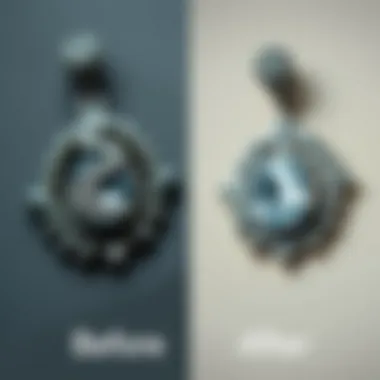

On the flip side, solution-specific soaks incorporate specific cleaning agents tailored to tackle tarnish more aggressively. Common mixtures include a combination of baking soda and salt dissolved in water. The chemical reaction helps break down tarnish, akin to a mini science experiment for your jewelry. What makes this choice especially helpful is its efficacy against stubborn tarnish that a simple polish cloth might not remedy.
A drawback, however, is that such solutions may require careful handling. Components of the mixture could potentially damage certain materials or finishes if left in contact for prolonged periods. Hence, it's essential to monitor the soaking time closely and rinse the jewelry thoroughly afterward to avoid any negative side effects. Despite this caution, solution-specific soaks are widely respected within the jewelry care community for their efficient tarnish removal.
Embracing these traditional cleaning techniques not only revitalizes silver jewelry but also contributes to the richness of the jewelry care experience, allowing collectors and enthusiasts to maintain their precious items while staying connected to established practices.
Advanced Cleaning Techniques
When it comes to preserving the allure of silver jewelry, advanced cleaning techniques stand out as crucial methods in the arsenal of any collector or enthusiast. These approaches are not only efficient but also capable of reaching into the intricate designs and crevices of your cherished pieces, which more basic methods might miss. Employing such techniques can significantly prolong the lifespan of your jewelry, maintaining its shine and vibrancy.
The benefits of advanced cleaning techniques are manifold. They allow for deep cleaning without harsh scrubbing that might scratch or dull surfaces. Additionally, they often save time and effort, especially for those with extensive collections. Advanced methods can also help in maintaining the value of pieces, which is particularly important for collectors and designers.
Nonetheless, one should always consider factors such as the type of jewelry, the extent of tarnishing, and the materials involved before deciding on a cleaning technique. With greater power often comes stricter guidance; thus, understanding how to operate these tools safely ensures both effectiveness and preservation of your prized items.
Ultrasound Cleaning
Ultrasound cleaning employs high-frequency sound waves to create microscopic bubbles in a cleaning solution. When these bubbles implode, they produce tiny shock waves that dislodge dirt, tarnish, and grime from silver jewelry without causing damage. This method is particularly effective for intricate designs, where traditional cleaning may fail to reach. Jewelry featuring delicate stones can also benefit, as long as caution is exercised with softer gemstones.
To utilize this technique:
- Select an appropriate cleaning solution: Make sure it is safe for silver and the specific embellishments in your jewelry.
- Prepare the ultrasonic cleaner: Fill it with water and the chosen solution according to the manufacturer’s instructions.
- Place jewelry cautiously in the device: Ensure that pieces are placed securely and aren’t touching each other.
- Run the cleaner: Generally, cycles range from a couple of minutes up to twenty, but keep to the lower end to avoid overexposure.
- Rinse off and dry: After cleaning, rinse under cool water and pat dry gently with a lint-free cloth.
"Ultrasound cleaning can rejuvenate not just the look but also the integrity of silver pieces, ensuring that they remain cherished for years to come."
In terms of drawbacks, one should be cautious with antique pieces or those with loose stones, as the vibrations may dislodge them. Always assess each item’s condition before proceeding with ultrasound cleaning.
Steam Cleaning
Steam cleaning is another modern method, utilizing bursts of hot steam to effectively cleanse jewelry. The effectiveness lies in its ability to dissolve dirt and tarnish without immersing pieces in liquid, making it a favorable choice for delicate items that could be vulnerable to moisture.
Here’s how to perform steam cleaning:
- Use a specialized steam cleaner: Many options are available in the market specifically designed for jewelry.
- Prepare the cleaner: Fill with water and power it on, allowing it to heat up as per the device instructions.
- Position the jewelry correctly: Place items to allow steam to penetrate all areas, getting rid of tarnish and grime.
- Activate the steam: Direct the steam onto the jewelry, often just a quick few seconds is adequate.
- Wipe down after steaming: A gentle polish follows to ensure no residue is left.
The primary advantage of steam cleaning is its ability to provide a thorough cleanse without the use of chemicals or abrasives, preserving the structure of your pieces while ensuring a bright finish. However, it may not be suitable for all items, specifically those with glued components or porous stones, since the steam may affect the adhesive or the stone itself.
Cautions in Cleaning Silver Jewelry
Cleaning silver jewelry is no trivial matter; it calls for a thoughtful approach to ensure that these cherished pieces maintain their beauty. The importance of taking precautions cannot be overstated. Missteps during the cleaning process can lead to irreversible damage, dullness, or even the loss of intricate details. For collectors and enthusiasts, understanding these cautionary steps serves not only to preserve the value of your jewelry but also to sustain the emotional connection tied to these adornments.
Identifying Delicate Pieces
When it comes to silver jewelry, not all pieces are created equal. Some are robust, while others require a gentle touch. Stylistically, delicate pieces often feature intricate designs, filigree work, or embedded gemstones that can be sensitive to certain cleaning methods. Understanding your jewelry's construction is vital.
- Assess Materials: Inspect each piece closely. Is it simply silver, or does it contain softer materials like gemstones or pearls? These materials can be significantly more susceptible to damage.
- Test with Care: If uncertain, a simple test on an inconspicuous area can be revealing. Use a mild cleaner sparingly and monitor for any adverse reactions.
- Consult Experts: When in doubt, professional appraisers or jewelers can provide guidance. They may even suggest safe cleaning techniques tailored to your delicate pieces.
Taking the time to identify which items in your collection are delicate can save you from costly mistakes and disappointment.
Avoiding Abrasive Methods
The world of cleaning agents is fraught with options, but not all are created equal. Some people may feel tempted to reach for a more aggressive cleaner or abrasive pads, thinking that these will do a better job of removing tarnish. However, this notion can easily backfire.
- Stay Clear of Scratchy Pads: Materials like steel wool or abrasive sponges can wreak havoc on the surface of your silver. They will leave micro-scratches that not only mar its appearance but may also create more tarnish over time.
- Choose Chemical Cleaners Wisely: While some commercial cleaners promise a sparkle, many contain harsh chemicals that can damage your jewelry. Ingredients like bleach or ammonia may seem effective but are leading culprits in deterioration.
- Mindful of DIY Solutions: Home remedies utilizing baking soda or vinegar can be effective, but if used too vigorously or frequently, they risk the integrity of delicate finishes or soft gems.
Being mindful of how you approach cleaning can save your pieces from scratches and dullness, safeguarding their longevity for years to come.
"Think before you clean - a gentle approach yields a lasting shine."
For those passionate about preserving their silver jewelry collection, taking the time to understand which methods and products are suitable ensures the pieces remain as stunning and cherished as the day they were first polished.
Preventative Measures for Silver Jewelry
When it comes to preserving the beauty of silver jewelry, being proactive is often the most effective strategy. Preventative measures significantly reduce the risk of tarnishing, ensuring that each piece remains a radiant highlight of your collection. Understanding how to care for your silver jewelry in everyday life can not only save time but also prolong the need for intensive cleaning.
Proper Storage Solutions
Using Anti-Tarnish Pouches
Using anti-tarnish pouches can be a game changer for anyone looking to safeguard their silver pieces. These specially designed bags use a variety of materials that actively absorb moisture and sulfur from the air—the main culprits behind tarnish. The key characteristic that sets these pouches apart is their ability to create a controlled microenvironment that limits exposure to elements that cause tarnishing.
Some advantages of using anti-tarnish pouches include the simplicity of just placing your jewelry inside and sealing it up, which means less hassle for the owner. However, one can also argue their disadvantages, like the fact that they need to be replaced periodically to remain effective. Ignoring this detail could render them useless over time, hence having a replacement plan is advisable.
Keeping Items Individually Wrapped
Keeping items individually wrapped, often in soft cloth or specific jewelry wraps, also serves as a practical solution against tarnishing. This method allows each piece to breathe while keeping it safe from scratching or tangling with other items. The uniqueness of this approach lies in its flexibility—one can use materials ranging from anti-tarnish cloths to simple cotton wraps.
Among its benefits, wrapping items individually not only helps prevent tarnishing but also helps maintain the intricate designs without damage. A drawback, though, might be the extra time it takes to wrap each piece versus simply tossing them into a box. In the long run, the extra effort often results in better care of the jewelry, justifying the initial investment of time.
Routine Maintenance Practices
Routine maintenance practices greatly contribute to the longevity and luster of silver jewelry. By integrating simple habits into your daily or weekly routine, the need for major cleaning sessions can be minimized.
Regular Wipe Downs
Regular wipe-downs of your silver jewelry can have profound effects on its appearance. This practice entails taking a soft, lint-free cloth and gently rubbing the surface of each piece after wearing it. The key benefit here is that it captures daily oils, dirt, and moisture, which if left unchecked will lead to tarnishing.
This practice is popular due to its simplicity—taking just a few minutes can reset the shine of your pieces. However, a minor downside is that for complex jewelry pieces or heavily tarnished items, this might not be sufficient. It is best used as a quick touch-up rather than a complete cleaning solution.
Planning Cleaning Schedules
Planning cleaning schedules is another vital aspect of maintaining silver jewelry. Establishing a routine for when you will clean your pieces can ensure that tarnish never gets a chance to settle in a way that requires drastic measures. For example, setting a reminder every season or after several wears can help keep your jewelry looking sharp.
This strategy is beneficial as it creates a systematic approach, preventing buildup and allowing for easier, quicker cleanings. One caveat to consider is that it requires mindfulness and commitment. Without sticking to the schedule, it can easily turn into a neglected task. Ultimately, finding a balance that works for your lifestyle is key.
"An ounce of prevention is worth a pound of cure."
Embracing these preventative measures for silver jewelry does not only improve the quality of care but also instills a sense of pride in ownership. Each piece tells a story, and maintaining its allure enhances its value, both sentimental and material.
Epilogue
Caring for silver jewelry isn’t just a chore; it’s an artful endeavor that ensures your cherished pieces retain their allure over time. As we've dissected various approaches and techniques throughout this article, the significance of understanding effective cleaning practices cannot be overstated. Whether you are a seasoned collector or a casual enthusiast, the knowledge you acquire will empower you to maintain your jewelry's gleam and longevity.
Summary of Effective Cleaning Practices
To encapsulate the best practices discussed, let’s break them down:
- Use of Appropriate Cleaning Agents: Opt for gentle solutions like baking soda or specialized silver polish that don’t compromise the integrity of your pieces. Stay away from harsh chemicals that could scratch or dull the finish.
- Adoption of Safe Cleaning Techniques: Methods such as soft cloth polishing or sonic cleaning can be safely employed without harming delicate designs. Investing in a silver polish cloth can often make a world of difference.
- Routine Maintenance: Setting a cleaning schedule where you can regularly inspect your silver items ensures that tarnishing doesn’t catch you off guard. A simple monthly wipe and storage check can go a long way.
- Knowledge of Storage Solutions: As discussed, utilizing anti-tarnish products or individually wrapping each piece can aid in preserving your jewelry's condition between wears.
This structured approach promotes an effective routine. With a little diligence and regular attention, your jewelry can stay sparkling and tarnish-free.
Emphasizing the Importance of Care
The importance of proper care for silver jewelry extends beyond mere aesthetics. It serves as a form of respect for the craftsmanship and artistry that goes into each piece. Understanding the nuances of maintenance not only prolongs the life of your jewelry but also contributes to its value over time.
Moreover, caring for your pieces fosters a deeper connection to the stories they hold. Each time you clean and store them with intention, you acknowledge their place in your life and style.
In summary, recognizing the significance of adopting these maintenance practices cultivates an appreciation that enriches the experience of wearing jewelry. It’s more than just keeping silver shiny; it’s preserving memories and sentiments bound to the pieces themselves. Investing effort into caring for your jewelry is, in fact, investing in the legacy you wish to forge with it.
A well-cared-for piece of jewelry is like a well-told story—it shines brightly in memory and moments.