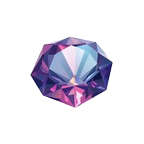
The Beauty and Significance of Diamond Number Pendants
Intro
Real diamond number pendants are more than just pieces of jewelry; they embody stories, meanings, and personal significance. They serve as a unique means of expressing individuality and celebrating milestones. Whether it's a birth date, an anniversary, or a lucky number, these pendants carry profound value, far beyond their monetary worth. As diamond enthusiasts, collectors, and jewelry designers explore this niche, they will find that understanding the intricacies of these pendants enhances not only their aesthetic appeal but also their investment potential.
Gemstone Overview
Definition of Gemstones
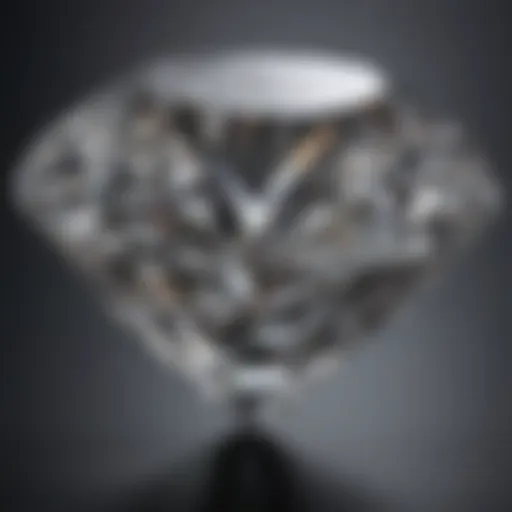
Gemstones are precious or semi-precious minerals, rocks, or organic materials that are cut and polished for use in jewelry and ornamentation. Diamonds, specifically, are a form of carbon that has been subjected to high pressure and temperature in the Earth’s mantle, resulting in a structure marked by unmatched brilliance and durability. This unique formation contributes to both their allure and their status as symbolizing luxury and prestige.
Classification of Gemstones
Gemstones can be broadly classified into two categories:
- Precious gemstones: This includes diamonds, rubies, sapphires, and emeralds, revered for their beauty and rarity.
- Semi-precious gemstones: Common examples include amethyst, garnet, and aquamarine, which, while beautiful, are often more accessible.
Diamonds stand out in both categories due to their exceptional hardness and reflective properties, making them eternally popular in various types of jewelry, including number pendants.
Historical Significance
Origins of Gemstone Use
The appreciation for gemstones isn't a recent trend. Historically, gemstones have been revered since ancient times. Evidence suggests that diamonds were first mined in India thousands of years ago, where they were used not only as adornments but also for their supposed mystical and healing properties. They were often embedded in weapons to enhance the warrior’s strength, serving as a symbol of power and invincibility.
Cultural Insights: Gemstones in Ancient Civilizations
Cultural significance of diamonds has evolved across civilizations. For instance:
- In Hindu culture, diamonds were associated with the planet Venus and were believed to bring prosperity and attraction.
- In Ancient Rome, wearing diamonds was thought to make one more persuasive and compelling, a sentiment still echoed in various cultures today.
The way these gemstones were perceived and utilized gives depth to the contemporary significance of diamond number pendants, as they continue to weave personal narratives together with rich historical context.
"The fascination with diamonds is timeless; each gem tells a story of Earth’s artistry through ages, forever capturing those who seek beauty in its purest forms."
In summary, the allure of real diamond number pendants lies further than their material composition. Understanding their historical, cultural, and social contexts enriches appreciation and informs better choices in selecting and wearing these exquisite pieces.
Prelude to Real Diamond Number Pendants
In today's world, where personalization has become more than just a trend, real diamond number pendants are shining brightly in the realm of jewelry. These pieces serve not merely as adornments but as tangible symbols of significance and identity. Real diamond number pendants fuse the beauty of precious gemstones with the personal touch of a chosen number, often representing milestones, birthdays, or even cherished moments. There’s an undeniable allure in wearing a piece that tells a story, sparking curiosity and admiration among those who catch a glimpse.
Defining Real Diamond Number Pendants
Real diamond number pendants are jewelry pieces typically crafted from precious metals like gold or silver, featuring diamonds that are shaped into numbers. These can represent anything from a simple '1' for a first child to a '25' marking a significant anniversary. Unlike generic pendants, which might carry no specific meaning, number pendants allow for personal connection.
Given their customized nature, defining real diamond number pendants means acknowledging both the design intricacies and the emotional weight they carry. Crafting these pieces requires an artistry that respects the diamond’s brilliance while ensuring that the number is both stylish and legible. The diamond itself adds a layer of luxury, elevating the pendant far beyond a mere accessory.
The Appeal of Personalization in Jewelry
The significance of personalization in jewelry can’t be overstated. In an age where mass production dominates the market, handmade and personalized pieces stand out like a diamond in the rough. Jewelry is, after all, an extension of one's identity; it tells a story, reflects personality, and serves as a reminder of cherished memories.
Real diamond number pendants carry this notion to the next level. By choosing a specific number, wearers make a statement about who they are. It could be a representation of a favorite athlete's jersey number, a child's birthday, or an influential year that has shaped their lives. This level of personalization transforms jewelry into more than just a fashionable accessory; it becomes a piece of art steeped in personal narrative.
Moreover, this personalization resonates psychologically. Wearing something that holds deep significance fosters a sense of belonging and pride. Individuals who wear real diamond number pendants often feel a connection not just to the item itself but to the moments and people that inspired its creation. This aspect of jewelry ownership conveys emotions and experiences, making each piece truly unique.
Cultural Significance of Number Pendants
The allure of real diamond number pendants transcends mere aesthetics; it encapsulates cultural narratives that have sprouted across time and space. These pieces of jewelry are not just an expression of personal style, but they also represent a deeper connection to culture, identity, and meaning. In particular, the use of numbers in jewelry can touch on themes of individuality and belonging, drawing on a tapestry of history, beliefs, and symbolism that enrich our understanding of these sparkling adornments.
Historical Context of Number Jewelry
Number jewelry bears a storied past, tracing its origins back to ancient civilizations where numerical representation conveyed significant meanings. For instance, in Ancient Egypt, numbers were seen as powerful symbols, often linked to various deities and imbued with spiritual significance. The number seven was revered, often associated with perfection and completion, while three symbolized balance and harmony. Jewelry during this era frequently featured engraved numbers, acting as talismans that combined protection with beauty.
Fast forward to contemporary times, and number jewelry has re-emerged, positioned as a popular choice for personalized gifts or self-expression. The rise of custom jewelry in the 21st century reflects a societal shift towards valuing individuality and personal narratives—a pendulum swing away from the purely decorative to the meaningful.
"Jewelry and numbers align uniquely, intertwining with our personal story and history, offering layers of meaning often overlooked."
Symbolism Associated with Numbers
Numbers possess a unique resonance across cultures, representing abstract concepts that play a pivotal role in the expression of identity through number pendants. Each number can embody a multitude of meanings, often tied to cultural beliefs and personal milestones.
- The number one, for example, often translates to beginnings or singularity—ideal for those celebrating a significant life change.
- Two signifies partnership or duality, making it a popular choice for couples looking to commemorate their bond.
- Three, often regarded as a symbol of unity and balance, can represent family, past, present, and future.
- The number eight holds interesting connotations in various cultures; in Chinese culture, it symbolizes wealth and prosperity, making it an auspicious choice for jewelry, particularly in gifting scenarios.
In essence, each pendant tells a story—whether it's a nod to a significant date, a representation of a loved one, or a reflection of one’s personal philosophy. By showcasing a number, individuals are not just wearing a piece of jewelry; they are wearing their narrative, their history, and their values.
The cultural significance of number pendants aligns closely with the human proclivity for storytelling. In a world where personal narratives are increasingly celebrated, these pieces serve as both art and lore, aesthetically appealing while embodying deep-seated values. Therefore, investing in a real diamond number pendant goes beyond mere decoration; it is an embrace of one’s journey, interests, and beliefs.
Design Elements of Diamond Number Pendants
When it comes to diamond number pendants, the design elements play an indispensable role in conveying both artistic flair and personal significance. Every facet, curve, and angle is meticulously thought out, showcasing the beauty of the real diamonds while encapsulating personal stories and memories. Understanding these design elements not only elevates the allure of the pendant but also enriches the overall experience of wearing such exquisite jewelry.
Styles: Classic vs. Modern
The dichotomy between classic and modern styles in diamond number pendants highlights how diverse the design landscape can be. Classic styles often feature timeless designs that emphasize the elegance of each diamond. Think of a simple, polished gold or silver number adorned with a few carefully placed diamonds. This simplicity draws attention to the beauty of the stone itself, allowing its brilliance to shine without any unnecessary embellishments.
On the other hand, modern styles break conventions, employing more intricate designs and unconventional materials. Geometric shapes, mixed metals, and asymmetrical designs come into play. A modern pendant might combine a sleek number with colorful gemstones or an innovative setting that allows light to pass through from various angles. The vibrancy of modern designs can appeal to a younger audience looking to express their individuality.
- Classic Style Features:
- Modern Style Features:
- Timeless design
- Emphasis on simplicity
- Few diamonds, carefully placed
- Intricate, unique patterns
- Use of mixed materials
- Bold colors and shapes
Choosing between these styles often hinges on personal tastes and the desired statement the pendant should communicate. A classic pendant may suit someone with a taste for tradition and elegance, while a modern piece might align with a more adventurous spirit.
Settings and Mounting Techniques
The settings and mounting techniques employed in diamond number pendants can significantly influence not only the aesthetic appeal but also the durability of the jewelry. A good setting will showcase the diamonds beautifully while securing them firmly, ensuring they withstand the test of time.
Common types of settings include prong settings, where metal claws hold the diamond in place. This style allows maximum light to enter the stone, making it sparkle intensely. Alternatively, bezel settings encircle the diamond with a metal band, offering a sleek and contemporary look while providing greater protection for the stone.
Another notable mounting technique is the channel setting, which aligns diamonds side by side in a grooved channel. This method provides a sophisticated and seamless appearance often favored in modern designs. When properly executed, these techniques not only enhance the visual allure of the pendant but improve its overall functionality as jewelry worn daily.
"The choice of setting is as crucial as the choice of stone."
Each technique comes with its pros and cons, making it essential for buyers to consider factors such as lifestyle and aesthetic preferences. It’s no use picking a delicate setting if you lead an active life - certain designs, rather than being just visually appealing, need to serve as durable partners in your daily adventures.
In summary, the design elements of diamond number pendants encompass a world of choices that reflect individual style and significant meaning. Classic and modern styles, along with various settings and mounting techniques, create a complex interplay of beauty and function, ensuring that each piece not only looks great but tells a story.
Craftsmanship in Real Diamond Number Pendants
Craftsmanship plays a pivotal role in the allure of real diamond number pendants. It's not just about putting pieces together; it’s about creating something extraordinary from raw materials. The meticulous attention to details in the design and assembly processes directly impacts the final product’s beauty and durability. High-quality craftsmanship ensures that each pendant tells a story, made to last and to be cherished across generations.
When speaking about craftsmanship in diamond pendants, one must consider the symbiotic relationship between the artisans and the materials they use. Diamonds are often the centerpiece, but it’s the skill of the jeweler that truly brings the piece to life. Each cut and setting must be executed with precision, requiring both artistic vision and technical expertise. This marriage of art and skill contributes significantly to the overall appeal of these custom pieces, making them not only jewelry but also wearable art.
"The value of a pendant does not rely solely on the diamond; the craftsmanship involved in its creation is what makes it truly priceless."
Sources of High-Quality Diamonds
When it comes to sourcing high-quality diamonds for number pendants, understanding the origins is essential. The Global Rough Diamond Supply Chain is a complex framework that influences the quality and ethics surrounding diamond procurement. Top-tier diamonds typically come from renowned mines located in regions like South Africa, Canada, and Australia.
Selecting diamonds from conflict-free sources isn't merely a trend but rather a necessity for conscientious consumers. This ensures that your pendant not only shines brilliantly but is also created under ethical conditions. Some renowned sources to consider include:
- De Beers Group: Known for their commitment to ethical mining practices.
- Alrosa: A Russian miner that prioritizes sustainability in its diamond extraction processes.
- The Gemesis Corporation: Specializes in lab-grown diamonds, providing a sustainable alternative without sacrificing quality.
Understanding these sources enables buyers to make informed choices, ensuring that their diamond number pendants are steeped in quality and ethical integrity.
The Role of Artisans in Jewelry Creation
Artisans are the unsung heroes in the jewelry-making world. Their hands are responsible for the intricate designs that adorn diamond number pendants. From the initial sketch to the final polish, an artisan's touch is indispensable. In many cultures, jewelers are seen not just as craftsmen but as artists transforming simple materials into symbols of personal meaning and celebration.

The process is often labor-intensive; one can frequently find artisans spending countless hours perfecting the tiniest details. They hone their skills over years, mastering techniques like:
- Setting: This process involves securing diamonds in various styles—filet, prong, or bezel—allowing creativity to dictate how the final product presents itself.
- Engraving: Adding text or patterns requires not just skill but artistic vision. The engraved numbers on a pendant, for instance, must complement the overall aesthetics without overpowering the diamond itself.
- Finishing: This final step is critical. It enhances the jewelry’s visual appeal, ensuring it catches the light just right.
Artisans imbue their creations with emotional significance, making each piece not just a diamond pendant but a treasured symbol of individuality. Their expertise truly justifies the investment in a real diamond number pendant, ensuring it becomes a cherished heirloom for years to come.
Choosing the Right Diamond Number Pendant
Choosing the perfect diamond number pendant is more than just a transaction; it's an emotional investment. These ornaments tell stories, serve as timeless reminders, and can carry deep personal significance. Whether you are selecting a piece for yourself or contemplating a gift, understanding what to look for can elevate your experience. Personalizing jewelry transforms it from a mere accessory into a cherished artifact that embodies individuality and memories.
When it comes to making a choice in the realm of diamond number pendants, a careful consideration of various elements can facilitate a more thoughtful purchase. Factors span from aesthetics to budget, encompassing both style and the personal meaning behind the number chosen. The beauty lies not just in the diamond but in the symbolism and intent that the pendant represents.
The benefits of selecting the right piece extend beyond mere aesthetics. A well-chosen pendant can serve as a unique identifier, a celebration of milestones, or even a talisman of belief. Such pieces often become heirlooms, passed down through generations, imbibing them with personal stories that resonate through time.
Factors to Consider When Buying
When selecting a diamond number pendant, several key factors play a significant role in ensuring that your choice aligns with your vision. Here are some points to think about:
- Personal Significance: Consider the number you wish to wear. Is it linked to a special date, a lucky number, or perhaps your child’s birthday? An emotive connection elevates the pendant’s value.
- Design and Style: Reflect on the design that best reflects your or the recipient's personality. Do you prefer sleek modern styles or intricate vintage designs? The pendant should complement existing jewelry and attire.
- Occasion: Is this pendant meant for a birthday, an anniversary, or just a treat for yourself? The context can influence your choice significantly.
- Quality of Diamonds: Understanding the properties of diamonds is essential. Examine the clarity, color, cut, and carat weight—commonly called the 4Cs—this will ensure you make a more informed decision.
- Budget: Set a clear budget before exploring your options. It helps narrow down choices and avoids any lingering regret after seeing a piece that's out of reach.
Understanding the 4Cs of Diamonds
When we delve into the diamond world, the 4Cs are your compass—providing essential insights into the quality and value of a diamond. Here’s a closer look:
- Cut: This isn’t just about the shape (like round, princess, or oval); it reflects how well the diamond was tailored. A good cut can bring out the sparkle that captures the eye.
- Color: Real diamonds can range from colorless to faintly tinted shades. The less color, normally speaking, the more valuable the diamond. Keep in mind that personal preference plays a role here too.
- Clarity: Diamonds often have tiny imperfections or inclusions. Clarity grades provide a glimpse into how noticeable these are. A higher clarity usually means a higher price tag.
- Carat Weight: This measures the diamond's size. More carats usually come with a heftier price, but bigger isn't always better. Sometimes, a smaller, well-cut diamond can outshine its larger counterpart.
Selecting a diamond number pendant asks you to balance these factors while also considering the emotional significance behind the piece. When the right factors come together, the final choice becomes clear, resulting in a pendant that's as meaningful as it is beautiful.
"A diamond in the rough is still a diamond—what matters is how it’s crafted, like the story it will eventually tell."
Whether you’re a gemstone enthusiast or simply someone exploring personalized jewelry, ensuring that you take these aspects into account will provide a deeper appreciation of your diamond number pendant.
Caring for Your Diamond Number Pendant
Taking care of your diamond number pendant goes beyond mere aesthetics; it's about preserving a personal relic that holds both sentimental and financial value. Jewelry, especially pieces adorned with real diamonds, is an investment that requires diligent care to maintain its pristine condition. In this segment, we will explore the importance of proper maintenance practices and thoughtful storage considerations. Such methods not only prolong the life of your jewelry but also ensure it retains its brilliance and allure.
Regular Maintenance Practices
Ensuring regular maintenance of your diamond number pendant can save you from costly restorations or loss of value down the line. Regular cleaning is crucial for removing dirt, oils, and residues that accumulate over time. Here are a few practices to consider:
- Gentle Cleansing: Use a simple mixture of warm water and a few drops of mild dish soap. Soak your pendant for a few minutes, then brush gently with a soft toothbrush to avoid scratching the surface.
- Professional Cleanings: Every year, consider visiting a jeweler for a professional cleaning. This not only enhances the sparkle of the diamonds but allows the jeweler to check for any loose stones or signs of wear that you might miss.
- Check the Settings: Keep an eye on the mountings. Regularly inspect the settings to ensure they hold the stones securely. If you notice any movement, be sure to get it checked right away, as losing a diamond can be heart-wrenching.
"Maintaining your diamond jewelry is a lot like caring for a fine wine; the better you care for it, the more it appreciates in value over time."
Storage Considerations
Where and how you store your diamond number pendant can significantly affect its longevity and appearance. Improper storage can lead to scratches, tangling, or even damage. Here are some sensible practices:
- Use a Jewelry Box: Store your pendant in a lined jewelry box with compartments to separate it from other pieces. This will help prevent scratches and tangling with chains.
- Keep Away from Humidity: If your environment tends to be humid, consider a dehumidifier for your jewelry storage area. Humidity can lead to tarnish or corrosion of materials used in conjunction with diamonds.
- Avoid Direct Sunlight: Prolonged exposure to sunlight may fade certain metals and hurt the luster of your diamond. Store your pendant in a cool, dry place away from direct sunlight.
Keeping these care practices at the forefront of your jewelry routine will preserve not just the beauty of your diamond number pendant but also its emotional significance as a cherished token. By being proactive about maintenance and storage, you ensure your pendant remains a dazzling representation of personal stories and milestones.
The Market for Real Diamond Jewelry
The realm of real diamond jewelry has long captivated enthusiasts, collectors, and investors alike. Understanding the market's dynamics is crucial for anyone looking to make informed decisions about purchasing or investing in diamond number pendants. In this article, we shall explore the various trends, opportunities, and critical factors that define the market landscape.
Trends in Diamond Jewelry Sales
As the saying goes, "what goes around, comes around"—and this rings especially true in the jewelry market. Over the past few years, we've seen several emerging trends in diamond jewelry sales:
- Sustainability Awareness: Shoppers are becoming increasingly conscious of the origins of their diamonds. As a result, many consumers now prefer brands that display ethical sourcing and commitment to conflict-free diamonds.
- Customization and Personalization: Jewelry buyers are opting for unique pieces that reflect their individuality. The trend of personalized diamonds, such as number pendants, allows wearers to express their personal stories and milestones.
- E-commerce Trends: The rise of online shopping has transformed how people acquire diamond jewelry. With the click of a button, customers can access a vast array of products while comparing prices and styles, ultimately expanding their choices.
- Shift in Consumer Demographics: Millennial and Gen Z buyers are entering the market with distinct preferences. These younger consumers prioritize aesthetics, affordability, and a brand's social impact over mere tradition.
Such trends signal a vibrant and expanding marketplace for diamond jewelry, particularly number pendants showcasing personal significance.
Investing in Diamond Jewelry
Investing in diamond jewelry can be a double-edged sword. While it offers potential financial growth and value retention, there are certain factors to be mindful of:
- Market Viability: The diamond market has been historically resilient. As a tangible asset, diamonds often retain their value over time, especially when well-maintained and sourced correctly.
- Quality Matters: Investors should familiarize themselves with the 4Cs—cut, color, clarity, and carat weight. Understanding these elements not only ensures a wise purchase but also aims at maximizing resale value.
- Research and Verify: Before diving into investment, ensure you’re well-informed. Look for reputable sellers and obtain certificates of authenticity that guarantee the diamond's quality and lineage.
- Diversification is Key: Just like any other investments, don’t put all your eggs in one basket. Mixing pieces, such as diamond number pendants with various styles and sizes, can hedge against market fluctuations.
Investing in diamonds is as much about enjoyment as it is about financial outlook. For every piece bought, there’s an accompanying story waiting to be told.
Investing in diamond jewelry is not merely about the monetary aspect; it captivates the heart through its intrinsic beauty and personal connections.
Ethical Considerations in Diamond Sourcing
When it comes to choosing a real diamond number pendant, the ethical considerations surrounding diamond sourcing become increasingly important. As jewelers and consumers alike grow more aware of the impact their choices can have on societies and environments, understanding these elements is crucial. This part discusses how ethics intertwine with luxury, illuminating the path towards responsible purchasing.
Understanding Conflict-Free Diamonds
The concept of conflict-free diamonds is paramount in the diamond industry. These stones are sourced from mines where no human trafficking, war, or violence exists. The phrase "blood diamonds" typically invokes images of strife, which is something society is increasingly working to eliminate. Organizations like the Kimberley Process aim to ensure that diamonds are ethically sourced. However, it’s important to understand that while this process aims to regulate the trade of rough diamonds, it is not foolproof.
Consumers can advocate for conflict-free options by seeking out vendors who provide certification for their diamonds. This verification helps ensure that the diamonds have been sourced responsibly. Reputable jewelers often participate in initiatives to uphold higher standards of ethical sourcing—brands like Brilliant Earth and Blue Nile are notable for their commitment to only selling conflict-free stones.
"Familiarize yourself with the story behind your diamond; it's more than just a shiny rock—it carries history and profound significance."
Sustainable Practices in Jewelry Making
Sustainability is another critical aspect to consider in the sourcing of diamonds and crafting of jewelry. The jewelry industry can have a significant carbon footprint, often linked to mining processes and manufacturing practices. In response, many jewelers are adopting environmentally friendly practices.
Some key sustainable practices include:
- Recycled Materials: Many jewelers are now creating new pieces from recycled metals and stones, minimizing waste and reducing the demand for new mining.
- Eco-friendly Mining: Some companies focus on minimizing environmental impact by using methods that preserve ecosystems and reduce water pollution.
- Transparency: Brands that disclose their sourcing processes build trust with consumers. This openness encompasses every step—from mining to the final product.
By considering a piece made with sustainability in mind, you consciously support methods that respect both humanity and the environment. Ultimately, selecting a diamond number pendant that embodies ethical sourcing not only enhances personal value but also contributes positively to broader societal impacts.
When making a choice about your jewelry, keep these ethical considerations front of mind. After all, every purchase is a statement about what you value.
Gemstone Alternatives to Diamonds
In the world of jewelry, real diamond number pendants have an undeniable charm. However, the quest for beauty and individuality often leads the discerning buyer to consider gemstone alternatives. These alternatives provide unique options, often with distinct charakteristics and meanings, accommodating different tastes and values.
Considering alternatives to diamonds can open up a realm of creativity in personal expression. The rise in popularity of these gemstones is not just a trend; it's a reflection of personal stories, cultural significance, and sometimes ethical considerations surrounding diamond sourcing.
Considerations for Choosing Alternatives
Choosing the right gemstone alternative involves a blend of practical considerations and personal preferences. Here are key factors to keep in mind:
- Durability: Not all gemstones are created equal in terms of hardness. For everyday wear, stones such as sapphires or rubies can withstand daily activities better than softer stones like turquoise or opal.
- Color and Clarity: Gemstones come in an array of colors and clarities, each carrying its unique appeal. For instance, morganite’s soft peach hue offers a romantic charm, while an emerald’s deep green brings a regal touch.
- Cost: Depending on the gemstone’s rarity, the price can vary significantly. For example, while diamonds generally carry a high price tag, alternatives such as amethyst or aquamarine are often more affordable without sacrificing beauty.
- Symbolism: Each gemstone has its own lore or significance. For example, the garnet symbolizes commitment and is often associated with loyalty. Understanding this can add depth to one’s choice, making it even more special.
Ultimately, the decision to choose a gemstone alternative should resonate with one’s values and preferences.
Popular Alternatives and Their Appeal
With a plethora of gemstones available, certain alternatives have carved out a special niche due to their beauty and characteristics.
- Sapphire: Often recognized for its striking blue hue, sapphire also comes in a spectrum of colors. This versatility and strength make it a great substitute for diamonds.
- Moissanite: Famed for its brilliance and fire, moissanite is a man-made gemstone that offers a more ethical choice. It is incredibly durable and visually resembles diamond, often at a fraction of the cost.
- Ruby: The ultimate symbol of passion, rubies are cherished not just for their eye-catching red hue but also for their cultural significance across various traditions.
- Emerald: Renowned for its lush green color, emeralds have long been symbols of love and rebirth. Their vivid appearance and historical allure make them a sought-after choice.
- Aquamarine: With its serene blue color reminiscent of the ocean, aquamarine offers a calming presence. This stone is not only beautiful but also symbolizes peace and tranquility.
"Opting for a gemstone alternative enables one to celebrate individuality while embracing ethical considerations in the jewelry industry."
Closure
As we wrap up this exploration into the world of real diamond number pendants, it's crucial to revisit what makes these pieces not only a jewelry choice but a meaningful statement in one's life. The allure of these pendants lies in their personalized touch and the symbolism associated with numbers, harkening back to our history and culture. Each pendant serves as a canvas, reflecting unique stories, memories, and aspirations.
Reflecting on the personal significance of number pendants brings to mind the emotional connection many individuals have with diamonds and their numbers. Be it a birth year, anniversary, or a milestone, these numbers encapsulate moments that resonate deeply. They are not mere ornaments; they are wearable memories that accompany the wearer through life’s journey.
Reflecting on the Personal Significance of Number Pendants
When choosing a number pendant, it’s often about more than just the aesthetic; it's a choice steeped in personal narrative. Picture someone wearing a pendant emblazoned with the number twenty-five, a celebration of a quarter-of-a-century, marking not just years but experiences, achievements, and the relationships formed over time. These pieces become part of our identity, fostering connections with loved ones or commemorating pivotal moments.
Making a decision on what number to wear can be a deeply introspective activity. If choosing a birthday number feels right, there’s a sense of pride in wearing a symbol of inception. Or perhaps a number from a significant life event—like the day a child was born—can be an empowering choice. Whatever your number, there is an undeniable connection woven into the fabric of these pendants, eliciting nostalgia and celebration.
Final Thoughts on Choosing and Caring for Your Jewelry
Choosing the right diamond number pendant involves a blend of personal taste, style, and emotional resonance. It's about finding a pendant that feels right in your hands and speaks to your heart. Consider whether you prefer classic designs, or something a bit quirkier that stands out in a crowd.
When it comes to caring for your diamond number pendant, regular maintenance is the key. Clean your pendant with a soft cloth and avoid exposing it to harsh chemicals that can dull its shine. Moreover, investing time in knowing how to store your jewelry properly can help maintain its brilliance for years to come. This care reflects the esteem in which you hold your jewelry, while also protecting your investment—both emotionally and financially.