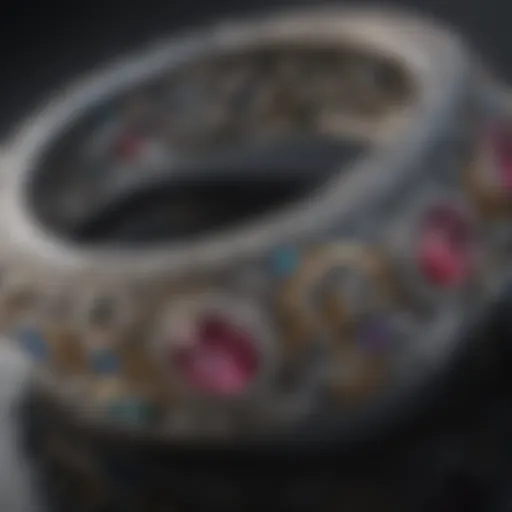
The Appeal of Five-Carat Diamond Rings Explained
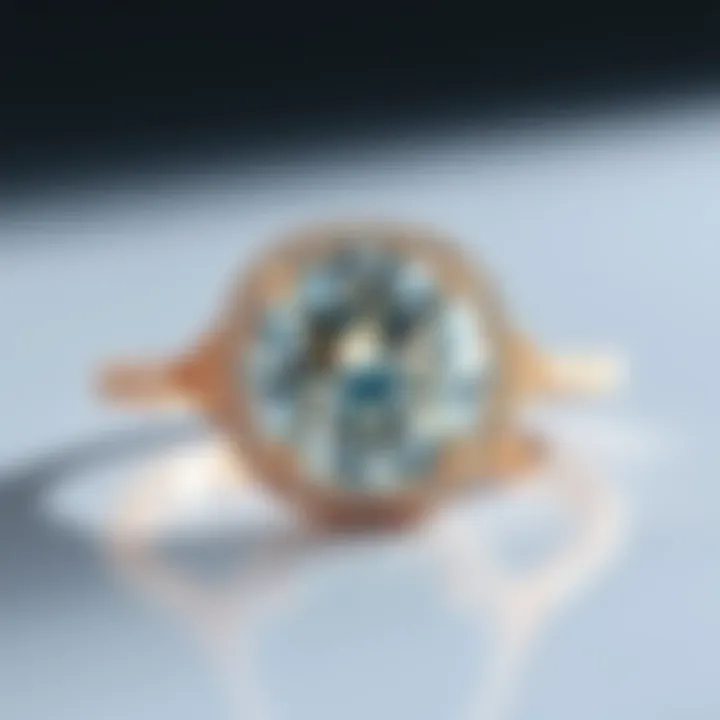
Intro
Five-carat diamond rings carry a certain mystique, an allure that sparks interest not just because of their size, but also the stories woven into their facets. This article delves into what makes these gems particularly significant in the world of fine jewelry. It's more than just the bling; it's about understanding the nuances of the diamond itself, its grading, market dynamics, and cultural impact.
Exploring five-carat diamonds can transform one’s appreciation, whether for personal adornment or as a noteworthy investment. Let’s embark on this journey to unravel the layers encompassed within these dazzling stones.
Gemstone Overview
Definition of Gemstones
Gemstones, in essence, are precious or semi-precious stones formed through natural geological processes. Each gemstone is a product of Earth’s deep history, shaped by extraordinary forces over millions of years. Diamonds, the hardest of them all, stand out due to their unique optical properties. They reflect light in a way that no other gemstone can, creating that quintessential sparkle that captures attention.
Classification of Gemstones
Understanding gemstones involves appreciating their classification based on several criteria:
- Natural vs. Synthetic: Natural gemstones are formed naturally, while synthetic ones are lab-created. Although both can be equally beautiful, their value can differ significantly.
- Precious vs. Semi-Precious: Traditionally, diamonds, rubies, emeralds, and sapphires are deemed precious. Other stones, like amethyst and topaz, fall into the semi-precious category.
- Color Variations: Gemstones are further classified by color; for diamonds, clarity, cut, and carat weight also play significant roles in their valuation.
These classifications help guide enthusiasts and buyers alike in discerning quality and value amidst a sea of sparkling options.
Historical Significance
Origins of Gemstone Use
The use of gemstones has its roots in ancient cultures. Many civilizations believed that certain stones boasted mystical powers, often using them in rituals and adornments to signify status and role. Ancient Egyptians adorned themselves with lapis lazuli and turquoise, believing they could bring the wearer divine favor.
Cultural Insights: Gemstones in Ancient Civilizations
- In Ancient Greece, gems were used as talismans, thought to ward off evil and bring good luck.
- The Romans wore rings adorned with commonly selected stones for both status and decorative purposes, setting the stage for modern-day jewelry design.
- Cultures in the East, particularly in India, used gemstones like diamonds in religious artifacts, symbolizing purity and perfection.
Each gemstone tells a story, not just of its creation, but woven into the fabric of human history.
"Knowledge of gemstones is like a key to unlock the treasures of history and culture, revealing the intertwining of humanity and nature through the ages."
In summary, five-carat diamonds aren't merely items of luxury; they are enshrined with layers of meaning and historical context, making their allure timeless as they continue to capture the hearts of jewelry lovers worldwide.
The Significance of Carat Weight
When it comes to diamond rings, particularly those that tip the scales at five carats, the topic of carat weight can't be swept under the rug. Carat weight plays a pivotal role in the diamond's overall value, perception, and desirability. For gemstone enthusiasts and collectors alike, understanding these nuances can deepen appreciation for this stunning gem.
Defining Carat Weight
Carat weight is often mistaken as a direct indicator of size, but that’s not the complete picture. A carat, which equals 200 milligrams, serves as a standardized measure. It’s important to note that carat weight primarily affects the price and value of a diamond. Simply put, the more a diamond weighs, the more it typically costs.
However, the dimensions of the diamond, including its depth and cut, can greatly influence how it actually appears. A five-carat diamond will surely attract attention, but two diamonds of the same carat weight can vary in appearance based on how they are cut and shaped. Understanding this helps aspiring buyers make more informed decisions.
The Illusion of Size
The size of a diamond is often deceiving. A five-carat diamond might look smaller or larger depending on its cut, proportions, and setting. For instance, a diamond that’s cut deeper may appear smaller than one that’s cut shallower, even if the carat weight is the same. Moreover, the way light interacts with a diamond adds to this illusion. A well-cut diamond can sparkle brilliantly, creating a visual effect that can make it seem more substantial.
This is not just a trivial notion but one that can affect purchasing decisions significantly. It’s essential for buyers to see diamonds in person whenever possible. Wanting that larger-than-life appearance might lead one to consider a diamond with a different cut or even a different carat weight altogether.
Consider this: The cut and the setting of the diamond can dramatically alter its visual impact. Focus on both aspects when assessing a diamond, rather than just the carats.
Understanding these intricacies of carat weight sets a solid foundation as we delve deeper into the world of five-carat diamonds. The blend of their weight, cut, and overall presentation contributes to the allure, making them much more than mere gemstones. This foundational knowledge guides both collectors and buyers in appreciating what they have, or what they aim to invest in.
Five-Carat Diamonds: An Overview
When one delves into the captivating world of diamonds, the five-carat gemstone stands out, not merely for its size, but for the intersection it represents between beauty, sentiment, and investment. A five-carat diamond ring encapsulates a wealth of qualities that exude elegance and allure, serving both as a personal token and a statement piece. In this section, we will examine the historical significance and cultural implications of these stunning gems.
Understanding the allure of five-carat diamonds requires an exploration of various facets that contribute to their appeal. From their historical context to cultural meanings, each aspect paints a broader picture of why these stones command attention and foster admiration. Whether one is considering a purchase or simply interested in the artistry behind these gems, grasping the nuances of five-carat diamonds can greatly enhance appreciation for such precious entities.
Historical Context
Throughout history, diamonds have been revered in various cultures, often tied to notions of power, wealth, and love. The five-carat diamond ring has its roots entrenched in significant moments, particularly in the realm of engagement and commitment.
In ancient times, diamonds were thought to possess mystical properties, often worn by royalty or those of high status. It was not until the 19th century, with the advent of more advanced mining technology and diamond distribution techniques, that jewels began to grace a wider audience. The De Beers company famously marketed diamonds as ‘forever’, cementing their association with enduring love. A five-carat diamond, being a substantial size, has come to symbolize a high level of commitment, particularly in engagements and anniversaries.
The engagement ring worn by Princess Diana, and now by Kate Middleton, featuring a striking five-carat sapphire surrounded by diamonds, highlights how royal endorsements shape societal norms and preferences concerning gem sizing and selections.
Cultural Implications
Culturally, five-carat diamonds carry a weight of meanings that differ across societies, yet often converge at notions of luxury, commitment, and celebration. In many Western cultures, a five-carat diamond symbolizes not just love, but also status and achievement. It signals prosperity and is frequently associated with major life milestones, such as engagements, weddings, and significant anniversaries.


In other cultures, the emphasis may differ. Among certain Asian societies, large diamonds are often seen as talismans, believed to bring good fortune and prosperity to the wearer and their family. Therefore, giving or receiving such a gift goes beyond mere aesthetics; it is imbued with hopes and dreams, transcending generations.
Moreover, the conversation surrounding ethical sourcing and sustainability has become increasingly relevant in discussions about diamonds. Growing awareness around responsible consumption leads consumers to favor ethically sourced five-carat diamonds, enhancing their desirability. Consumers today are not just looking for a beautiful gemstone; they are also conscious of the journey it took to arrive at their fingers and are inclined to support practices that promote fair labor and environmental sustainability.
Ultimately, a five-carat diamond is more than a decorative item; it's a snapshot of societal values, desires, and historical significance woven into the fabric of human relationships. As we delve deeper into this article, we will continue to uncover the many layers that make five-carat diamonds a topic of fascination for collectors, enthusiasts, and even casual admirers.
The Four Cs: Assessing Diamond Quality
Cut: The Foundation of Brilliance
The cut of a diamond is arguably the most crucial of the Four Cs. It refers to how well the diamond has been shaped and polished, affecting its ability to reflect light. A well-cut diamond dazzles with brilliance and fire, while a poorly cut one can appear dull.
Factors that influence cut quality include:
- Proportions: The angles and dimensions of the diamond play a key role in how light interacts with it.
- Symmetry: How uniform the facets are across the surface of the diamond.
- Polish: The smoothness of the diamond’s surfaces.
A five-carat diamond, with its massive size, requires an exceptional cut to ensure it sparkles brilliantly. Even the slightest flaw in cut can result in a significant reduction in overall beauty.
Color: The Spectrum of Hues
Color is another vital component to consider when assessing diamond quality. Diamonds are graded on a scale from D (colorless) to Z (light yellow or brown). In five-carat diamonds, the preference typically leans towards those that fall within the D to H range, as these retain that sought-after sparkle without any noticeable tint.
It's interesting to note that even the most minuscule tint can tint a diamond just enough to take it out of the realm of desirability for collectors and lovers alike. Here’s why color matters:
- Brilliance: Less color means more light reflection.
- Popularity: Colorless diamonds often command higher prices in the market.
- Settings: The type of metal in the ring can affect how color is perceived.
Clarity: Understanding Imperfections
Clarity refers to the presence of imperfections within the diamond, which can be inclusions or blemishes. Diamonds are graded on a scale from Flawless (no internal or external imperfections visible under 10x magnification) to Included (inclusions visible to the naked eye).
In the realm of five-carat diamonds, clarity is important because larger stones naturally showcase imperfections more prominently. Here’s a breakdown:
- Flawless: Extremely rare and valuable.
- VVS1/VVS2: Very, very slightly included, these diamonds exhibit minor inclusions that are challenging to detect.
- VS1/VS2: These diamonds will usually have inclusions that are slightly visible.
Investors and buyers often seek diamonds rated VS1 or better, as these provide a balance of value and visual appeal.
Carat Weight: Market Dynamics
Carat weight refers to the size of the diamond and plays a significant role in its price. A five-carat diamond can command a steep premium compared to a smaller stone. However, price does not rise linearly with carat weight. For instance, a five-carat diamond can cost four to five times as much as a two-carat diamond of similar quality.
Market dynamics influencing carat weight include:
- Rarity: Larger diamonds are harder to find, making them more valuable.
- Demand: As more people seek out larger stones, prices increase.
- Trends: Current fashion and celebrity influence can drive the desire for larger stones.
Understanding these Four Cs is essential for anyone contemplating the purchase of a five-carat diamond. Each characteristic interacts with the others, creating a complex matrix of desirability and value. Therefore, potential buyers must approach their selection carefully to ensure that they not only acquire a beautiful piece but also an investment that holds value over time.
"Ultimately, the Four Cs establish the foundation upon which the market value of a diamond rests."
Discover more about the diamond grading and purchasing complexities by exploring resources such as GIA's Website and The Diamond Retailer.
Understanding the Four Cs not only enriches the buying experience but also deepens the appreciation for these magnificent stones.
Evaluating Market Value
Evaluating the market value of five-carat diamond rings is crucial for anyone interested in investing in fine jewelry. Knowing the monetary worth can influence purchasing decisions and help consumers understand what they are getting for their money. Factors contributing to a diamond's price include its unique characteristics, such as color, clarity, and the reputation of the dealer. In a market that often seems overwhelming, navigating the nuances of diamond valuation can empower buyers, ensuring they make informed choices.
Factors Influencing Price
When it comes to determining the price of a five-carat diamond, several key elements come into play:
- The Four Cs: As highlighted earlier, the foundation of a diamond's value lies in the clarity, color, cut, and carat weight. Each characteristic contributes to the quality and desirability of the stone. For instance, a five-carat diamond that has exceptional clarity and an exquisite cut will be valued much higher than one with noticeable inclusions or a poor cut.
- Market Demand: Trends in the jewelry marketplace can significantly affect prices. For example, if a particular style becomes trendy, the demand may surge, driving prices upward. During wedding seasons or festive occasions, the need for engagement rings, especially those with larger carat weights, tends to spike.
- Gemstone Treatments: The presence of treatments, such as laser drilling or high-temperature treatments, may impact a diamond's value. Buyers must be aware of any such treatments as they influence the longevity and perceived beauty of the diamond.
- Provenance and Certification: Diamonds that are accompanied by certification from reputable gemological labs often fetch more on the market. Certificates provide an assurance of quality and authenticity, which contributes to higher market values. Diamonds with a known and trustworthy history usually attract higher prices.
In summary, there’s a host of elements that can sway the price of a diamond drastically. Understanding these factors can save buyers a significant amount and ensure they invest wisely.
Retail vs. Private Market Considerations
While shopping for five-carat rings, potential buyers often face a decision between purchasing from a retail store or opting for the private market. Both avenues have their pros and cons, and recognizing them can lead to better buying outcomes.
- Retail Market: Purchasing from a well-known retailer generally means higher prices. Retailers have overhead costs, including storefront maintenance and sales staff wages, which affect pricing. However, the advantage lies in the security and assurance offered to buyers. Established jewelers are more likely to provide certified gemstones and trustworthy customer service. Returns and warranties also often come easier in retail settings.
- Private Market: On the flip side, buying from private sellers or auctions might present a more cost-effective opportunity. The private market can sometimes yield diamonds at lower prices due to less overhead. However, potential buyers need to proceed with caution. The risk of purchasing uncertified stones exists, and buyers may end up with a diamond that does not meet their expectations. Doing thorough research and possibly consulting with a gemologist can mitigate some of these risks.
Taking the plunge in either market requires careful thought. Whether you choose to shop at a recognized jewelry store or dive into the private sector, the aim remains the same: to find a beautiful five-carat diamond that resonates with your personal taste and investment strategy.
"In the market of diamonds, knowledge is one of the most precious assets a buyer can possess."
For further insights on becoming a savvy diamond buyer, check out resources like GIA or Jewelry Information Center.
Consider engaging with forums on Reddit for real-life experiences and tips from fellow enthusiasts.

The Buying Process
When it comes to acquiring a five-carat diamond ring, the buying process is paramount. Given that diamonds are not just any pieces of jewelry but significant purchases that often symbolize pivotal life events, understanding the buying journey can make or break the experience. Several key steps will guide potential buyers through this intricate maze, ensuring they make an informed decision.
Choosing a Reputable Dealer
The first step in this journey is crucial — picking a reputable dealer. Whether it’s a local jeweler or an online retailer, the right dealer can provide not only the stones but also peace of mind. A good dealer will be transparent regarding the diamond’s quality, offer certification, and possess a solid track record.
Look for dealers who are members of organizations such as the Gemological Institute of America or the American Gem Society. These affiliations suggest a commitment to industry standards. Additionally, check online reviews or testimonials.
- Research: Look up the dealer’s history and customer feedback.
- Ask Questions: Don’t hesitate to inquire about sourcing and return policies.
- Meet in Person: If possible, visiting the dealer allows you to gauge their professionalism and service.
By choosing wisely, buyers set themselves up for success in their diamond search.
Certification Importance
Certification plays a pivotal role in the realm of diamonds. When investing in something as valuable as a five-carat diamond, understanding its certification can help assess value and authenticity. Certificates from respected institutions like the Gemological Institute of America provide detailed information about a diamond’s cut, clarity, color, and carat weight.
A certificate confirms that the gem has been evaluated by a professional gemologist. This document serves as a guarantee of quality and, in turn, assists with price justification.
Here’s what to check on a certificate:
- Cut Quality: Determines how well the diamond reflects light.
- Clarity Grade: Describes the noticeable inclusions and internal defects.
- Color Grade: Assesses the hue and intensity of color.
- Fluorescence: Notes how the diamond reacts under UV light.
"A verified certificate is your best friend in making an informed purchase amidst many options."
When you have this knowledge at your fingertips, you’re not just buying a ring; you’re investing in a legacy.
Negotiating Price and Terms
Finally, once you’ve identified the perfect ring, it’s time to negotiate. Many buyers might think that the price listed is set in stone, but that’s rarely the case. Diamonds have a degree of flexibility in their pricing structure, especially with five-carat stones. Being informed gives you an edge in negotiations.
Start by understanding the market dynamics of diamond pricing. Familiarize yourself with the current trends affecting diamond costs; fluctuations can happen based on demand, seasonality, and even current events affecting sourcing.
Here are a few tips for successful negotiation:
- Know the Common Margins: Understand the average markup and typical selling prices.
- Be Patient: It’s okay to walk away initially. This tactic can sometimes bring forth a better offer.
- Bundle Offer: If you’re also purchasing other items like wedding bands, ask for a total package deal.
In essence, the process of negotiating should feel collaborative rather than confrontational. Aim for a deal that benefits both parties.
Understanding this buying process, from choosing the right dealer to negotiating terms, can enrich the experience of acquiring a five-carat diamond ring. It makes the journey not just about a purchase but about celebration, meaning, and endurance.
Maintaining Your Investment
When it comes to five-carat diamond rings, ensuring their longevity and brilliance is paramount. These exquisite pieces are not just symbols of affluence but also significant investments. Therefore, maintaining your investment encompasses more than just the aesthetic upkeep; it includes strategic care and awareness of when to seek professional assistance. Neglecting these aspects can lead to diminished value and lost beauty of the gem.
Proper Care Techniques
Caring for a five-carat diamond ring involves a few straightforward but essential practices. Here are some tips:
- Regular Cleaning: Dust and oils from your skin can dull the appearance of your diamond. Using a mild soap solution and a soft toothbrush, gently scrub your ring to keep it sparkling. It’s easy as pie!
- Store Wisely: Diamonds are tough, but they’re not invincible. Always store your rings separately, preferably in a fabric-lined box or pouch, to prevent scratches and damage from other jewelry.
- Avoid Harsh Chemicals: Certain cleaning products can weaken the setting of your diamond. Always ensure that any cleaning agents are safe, and avoid exposing your ring to chlorine or bleach. It’s better to be safe than sorry!
These simple techniques not only aid in maintaining the physical appearance of your diamond but also help in preserving its market value.
When to Seek Professional Cleaning
While at-home care is crucial, it doesn't replace the expertise provided by professionals. Knowing when to seek a jeweler’s help can save you a lot of heartache down the road.
A good rule of thumb is to have your five-carat diamond ring professionally cleaned at least once a year. Here are some signs that could indicate it's time to call in the pros:
- Dull Appearance: If your diamond doesn’t sparkle like it used to, it’s a clear indicator for professional cleaning.
- Loose Settings: If you notice the diamond shifting or the setting feeling less secure, a professional jeweler can tighten or repair it accordingly.
- Signs of Wear: Scratches on the band or comparable signs can be dealt with more effectively by a jeweler, especially those who specialize in jewelry repair.
"A well-maintained diamond retains both its beauty and value, making regular care and professional assistance crucial for any serious collector."
By integrating these maintenance practices into your routine, you ensure that your five-carat diamond ring continues to shine brightly, both in terms of appearance and market value. Your investment will not only remain intact but may potentially appreciate over time, making your continued efforts truly worthwhile.
The Role of Five-Carat Diamonds in Engagements
Five-carat diamonds hold a unique place in the world of engagement rings, transcending mere adornment to become powerful symbols of love and commitment. In a world where relationships are increasingly intricate and meaningful, the sheer size and brilliance of a five-carat diamond ring can convey a multitude of emotions and sentiments. When a couple embarks on the journey of engagement, the choice of a diamond ring isn’t just about aesthetics; it is woven with personal significance, cultural implications, and financial considerations.
Symbolism and Sentimentality
A five-carat diamond often represents the pinnacle of commitment and a significant investment in the future. For many, a five-carat ring is not simply an extravagant gift, but it embodies whispers of promises and shared dreams. In the grand tapestry of life, such a diamond can become a cherished heirloom, passed down through generations, representing a lineage of love and devotion.
- Weighs Heavily in Meaning: The size of the diamond naturally correlates with deeper emotions attached to the commitment one is making. A five-carat diamond is often seen as a promise of stability and longevity.
- Personalized Symbolism: Different couples may ascribe varied meanings to their diamonds based on personal stories or journeys together, imbuing the ring with even greater significance.


Engagements are often characterized by heightened emotion and anticipation; thus, a five-carat diamond can serve as a visual anchor, reminding couples of their vows in moments of doubt or difficulty. Beyond the glitter and glam, there’s a narrative that each diamond tells—a tale of love, hope, and aspiration.
Trends in Engagement Rings
The jewelry industry is always evolving, and five-carat diamonds are no exception. Current trends reflect a growing inclination towards unique designs that echo personal styles rather than traditional expectations.
- Alternative Settings: While classic solitaire settings remain popular, many are opting for unique arrangements. For instance, halo settings or three-stone rings are drawing attention and showcasing the five-carat diamond prominently.
- Sustainable Sourcing: More buyers are becoming aware of the ethical implications of their purchases, leading to increased demand for conflict-free or lab-grown diamonds. This shift not only affects the market dynamics but also redefines what a quality diamond represents.
- Customization: Couples are seeking bespoke designs, with options to incorporate other gemstones or personalized engravings, transforming the five-carat ring into a reflection of their unique bond.
In summary, five-carat diamonds are positioned at the intersection of cultural traditions and modern sensibilities. Their role in engagements is not just about the diamond itself; it encapsulates stories, emotions, and the evolving narrative of relationships in our time.
Investing in Diamond Rings
Investing in diamond rings, particularly five-carat varieties, is not merely about acquiring a shiny piece of jewelry. It represents a confluence of art, craftsmanship, and market dynamics that can significantly appreciate over time. The fascination lies in understanding not just the emotional value attached to these pieces but also their potential for financial growth.
Purchasing a five-carat diamond ring can be seen as an investment akin to real estate, where location and condition matter deeply. The attributes that define a diamond's worth—cut, color, clarity, and carat—play critical roles in determining its market value.
Moreover, engaging in this investment can offer several benefits:
- Wealth Preservation: Diamonds often hold their value even through economic downturns, providing a hedge against inflation.
- Intrinsic Appeal: A five-carat ring isn’t just an investment; it’s also a stunning piece of art that serves as an heirloom.
- Rarity: Larger diamonds, such as those at the five-carat mark, are rarer and in demand, which may lead to a price increase over time.
- Status Symbol: Ownership of a luxurious diamond ring conveys wealth and sophistication, often making it a statement piece.
Understanding the nuances of the diamond market can facilitate better investment decisions, enabling collectors and enthusiasts alike to navigate this intricate landscape effectively.
Market Trends and Predictions
The diamond market has undergone significant transformations in the past few decades, influenced by consumer behavior, synthetic alternatives, and global economic conditions. Looking at recent trends, investment in five-carat diamond rings is increasingly seen as a prudent strategy.
Current Trends
- Sustainability Focus: Consumers are now gravitating towards ethically sourced diamonds. Brands that uphold sustainable practices often experience stronger market performance.
- Online Marketplaces: The rise of e-commerce platforms and auctions has democratized diamond purchases, allowing investors to access a broader range of options and prices.
- Demand Surge: Reports show an uptick in demand for larger stones, which has given rise to an increase in the price of five-carat diamonds in recent years.
Predictions indicate that diamond values will continue to rise, but the pace will depend on broader economic factors and consumer preferences. Experts suggest individuals interested in investing should keep an eye on market fluctuations but remain confident in the long-term value of high-quality diamonds.
Long-Term Value Considerations
Investing in five-carat diamond rings demands a nuanced understanding of long-term value. Unlike stocks or bonds, diamonds do not provide quick returns; instead, they represent a much more stable asset that can incur solid appreciation over years, if not decades.
Key Factors to Consider
- Quality Over Size: While carat weight is crucial, a focus on the quality of cut, clarity, and color can significantly impact value retention.
- Certification Importance: Always opt for certified diamonds. Certificates from reputable organizations like GIA or AGS provide assurance of the stone's quality and can enhance marketability.
- Market Awareness: Understanding market cycles, along with economic trends, can help investors make informed decisions regarding when to buy or sell their diamonds.
- Condition and Care: Like any high-value item, the condition of a diamond affects its worth. Proper maintenance and professional cleaning can uphold its aesthetic value and market price.
In summary, investing in five-carat diamond rings is a complex yet rewarding endeavor. It requires a balanced approach that considers emotional resonance alongside market viability and trends. By staying informed and prioritizing quality, investors open doors to both personal enjoyment and financial prosperity.
Ethical Considerations in Diamond Sourcing
Understanding the ethical implications surrounding diamond sourcing has become increasingly important in today’s jewelry market. The allure of five-carat diamond rings isn't just about their sparkle but also about the story behind each gem. A conscientious buyer seeks not only exquisite design and quality but also the assurance that their purchase does not contribute to human suffering or environmental degradation.
Conflict Diamonds: A Historical Overview
The term "conflict diamonds" refers to diamonds mined in war zones and sold to finance armed conflict against governments. This grim reality came to light in the late 1990s when diamonds from countries like Sierra Leone were used to fund brutal civil wars.
Many industries are affected by human rights violations, but the diamond trade faced a unique scrutiny. As a result, international awareness surged, leading to the establishment of the Kimberley Process Certification Scheme in 2003. The Kimberley Process aims to prevent the trade of conflict diamonds, ensuring that diamonds sold internationally are sourced responsibly. However, numerous challenges remain. Evidence has emerged suggesting that even certified diamonds can still be linked to unethical practices, as the certification process is often criticized for being too lenient or poorly enforced.
Interestingly, not all diamonds come from mines embroiled in conflict; some are procured through companies dedicating themselves to ethical practices. Buyers must perform due diligence when purchasing to ensure the gemstones they choose are conflict-free.
Sustainable Practices in the Industry
The push toward sustainability is reshaping the diamond industry. More retailers now emphasize ethical sourcing, helping consumers make informed choices. By acquiring diamonds that are mined responsibly, connected to fair labor practices, and sourced from environmentally friendly operations, buyers contribute to a flourishing market that respects human rights and the environment.
Many jewelers are now transparent about their supply chains and demonstrate their commitment to sustainability through various certifications. Some initiatives focus on mined diamonds, while others extend to lab-created diamonds, which have a significantly lower ecological footprint. Lab-grown diamonds often cost less and provide the same aesthetic qualities as natural stones, catering to consumers who prioritize ethical considerations.
"Investing in ethical diamonds is investing in a better world. If we know better, we should do better."
Finale: The Timeless Allure of Five-Carat Rings
The significance of five-carat diamond rings cannot be overstated. They encapsulate not only the grandeur of jewel craftsmanship but also the emotional weight they carry. Each ring tells a story, combining the timeless beauty of diamonds with the specific preferences of the wearer. With this in mind, it is useful to review why these gems hold such a strong position in the jewelry market and among consumers.
Sum of All Parts
When considering the allure of five-carat diamonds, various elements come into play:
- Size and Presence: The striking size of a five-carat diamond offers visual impact, setting it apart from its smaller counterparts. This makes it an ideal choice for engagements or special occasions.
- Quality Factors: As discussed, the quality of a diamond, determined by the four Cs—cut, color, clarity, and carat weight—plays a critical role. A five-carat diamond, if well-cut and clear, can exhibit unparalleled brilliance.
- Investment Potential: Diamond rings can serve not just as adornment but as significant investments. Historical value trends suggest that fine diamonds tend to appreciate over time.
- Cultural Resonance: Five-carat diamonds often symbolize milestones in life—marriages, anniversaries, and familial inheritance. Their cultural significance adds another layer to their desirability.
In view of these factors, it stands to reason that five-carat diamond rings have garnered attention and admiration across different cultures and generations.
Final Reflections
Five-carat diamonds embody both beauty and substance. As consumers navigate the challenges of the jewelry market, understanding the nuances behind these gems equips them with the knowledge to make informed decisions. Furthermore, the ongoing discussions surrounding ethical sourcing and sustainable practices in the diamond industry only deepen their appeal.
"Ultimately, it's not just about having a diamond, but what that diamond represents for you and your place in this world."
This essence of personal connection, combined with the aesthetic magnificence and investment potential, cements the five-carat diamond ring as a timeless choice.