Exploring the Essence of Green Diamonds
Intro
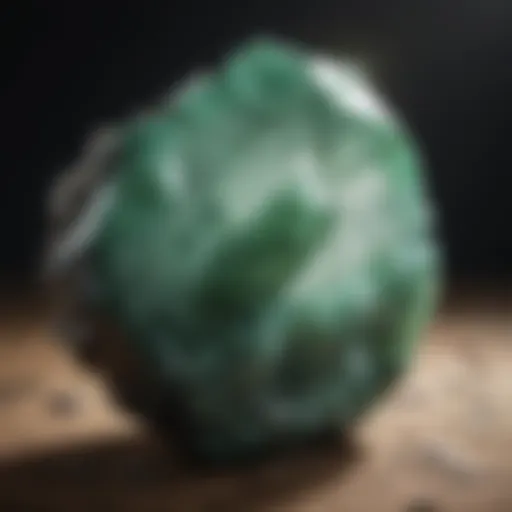
Green diamonds stand as one of nature's most intriguing creations, their distinct hue a testament to the complexities of geological processes. This deep dive into the world of these gemstones will illuminate their formation, the history interwoven with human culture, and the practicalities of collecting them. Their allure lies not just in their beauty but also in the stories they tell and the mysteries surrounding their existence.
Whether you're a seasoned collector or a newcomer to the fascination of gemstones, understanding green diamonds opens a new window into our natural world.
Gemstone Overview
Definition of Gemstones
Gemstones are more than just rocks; they are precious formations that encapsulate history, culture, and artistic expression. Formed through immense geological activity over thousands or even millions of years, these stones emerge as unique embodiments of Earth’s splendor. Each gemstone possesses intricate characteristics that contribute to its identity and value.
Classification of Gemstones
Classifying gemstones can be quite multifaceted. They are typically categorized into two main groups:
- Precious Gemstones: This group prominently includes diamonds, sapphires, emeralds, and rubies. These stones are rare and valued highly in the marketplace.
- Semi-Precious Gemstones: Examples include garnets, amethysts, and opals. While these stones are stunning, they are more abundantly available, affecting their overall worth.
Within these groups, green diamonds carve out their own niche. They belong to the category of precious gemstones, yet their rarity sets them apart further.
Historical Significance
Origins of Gemstone Use
The use of gemstones dates back to ancient civilizations, where they were not mere decorations but were believed to hold mystical properties. Early humans used stones for their perceived powers or as symbols of status. Green diamonds, although less common than their colorless counterparts, have historically captured the interest of societies, often associated with fertility and prosperity.
Cultural Insights: Gemstones in Ancient Civilizations
Various ancient civilizations revered gemstones, including green diamonds. For instance, the Egyptians adorned themselves with intricate jewelry set with precious stones, symbolizing wealth and protection. They believed that green stones connected them to the afterlife. The ancient Romans also valued these gems, regarding them as a sign of strength and invincibility.
The reverence for gemstones continues, now reflecting individual taste and aesthetic choices while still resonating with their historical significance. The relationship between humanity and gemstones, particularly unique ones like green diamonds, is an enduring saga that intertwines beauty, value, and meaning.
"Gemstones are the soul's conversation with the universe, expressing emotions and aspirations through their colors and forms."
Culmination
As we embark on this exploration of green diamonds, we aim to unravel their mysteries and appreciate the profound connections they forge between nature, history, and humanity. From their geological origins to their place in the market, understanding what makes these gems unique enriches our experience as collectors and enthusiasts. Keep delving into their multifaceted nature, and you will find that each green diamond tells a story worth hearing.
Preamble to Green Diamonds
The allure of green diamonds is not merely their aesthetic charm but their complex story woven through geological history and cultural significance. This section lays the groundwork for understanding why green diamonds deserve a special place in both the gemstone market and collectors’ hearts. We will explore the unique color classification of gemstones, particularly how green diamonds fit into this spectrum. Additionally, we will delve into what makes these diamonds stand out in terms of their distinct features.
Understanding the importance of introducing green diamonds gives readers context and prepares them for a more profound exploration of the various aspects involved, including their formation, value, and cultural implications. By grasping the foundational elements surrounding these gems, readers can appreciate their worth and beauty on another level, enriching their knowledge for future discussions or purchases.
Understanding Gemstone Color Classification
Gemstone color classification is both an art and a science. Diamonds, depending on their origin and impurity levels, can exhibit a range of colors. For green diamonds, color classification becomes particularly intriguing due to their unique origins. Unlike more common colors such as blue or yellow, green arises from the influence of natural radiation, which creates an enticing shade that can range from subtle greenish hues to striking vivid tones.
When classifying the color of gems, experts often refer to the three main attributes: hue, tone, and saturation. Here's a closer look:
- Hue: This represents the basic color of the diamond, for instance, the primary greens with undertones of yellow or blue.
- Tone: This refers to how light or dark the diamond appears, with tones ranging from very light to very dark.
- Saturation: It reflects the purity and strength of the color, where a higher saturation indicates a more vivid and attractive gem.
Green diamonds are classified as fancy colored diamonds. Depending on where they fit on the spectrum of hue, tone, and saturation, their visual appeal and market value can vary widely. This classification has implications for collectors and jewelry designers, shaping their decisions on sourcing and grading.
Distinctive Features of Green Diamonds
What sets green diamonds apart from their counterparts? Their captivating charm lies not only in their rare color but also in several distinctive features. For starters, the presence of radiation during the formation process lends these diamonds their unique coloration. This can sometimes result in a fascinating phenomenon called color zoning, where different shades are present in different areas of the stone.
Other notable features include:
- Translucence: The way light interacts with green diamonds can create an ethereal glow, enhancing their natural beauty.
- Character: Each green diamond can possess a personality of its own, with differing shades and tones that make them truly one-of-a-kind.
- Cultural Significance: Beyond their physical appearance, green diamonds have been reserved for royalty and the wealthy throughout history, often embodying themes of growth, renewal, and prosperity.
Formation of Green Diamonds
Understanding the formation of green diamonds is essential for anyone intrigued by these exceptional gems. The process behind their formation gives insight into their unique appeal and rarity. Green diamonds are not just beautiful; they are products of extraordinarily rare geological events that occur deep within the Earth. This section will explore the geological processes that lead to their color and the role of radiation in their development, providing a comprehensive view that forms the backbone of a deeper appreciation for green diamonds.
Geological Processes Behind Diamond Coloration
The journey of a diamond begins deep in the Earth’s mantle, where carbon transforms into a crystal structure under extreme heat and pressure. In the case of green diamonds, the coloration is a spectacular witness to the geological history and environment in which these gems formed.
- Formation Depth: Most diamonds, including green varieties, come from depths of 150 to 200 kilometers beneath the surface. This need for both significant heat and pressure contributes to the diamond's formation.
- Rare Conditions: Not every diamond that forms turns green. The specific conditions of heat, pressure, and the presence of certain elements or phenomena can lead to the vibrant color that characterizes these stones.
Green diamonds gain their attractive hue primarily when they are subjected to radiation, which alters their carbon structure over millions of years. This process isn’t just a fluke; it indicates that the diamond experienced a natural environment conducive to such changes. In essence, each green diamond tells a story of its origin, shaped by forces both powerful and rare.
Role of Radiation in Color Development
Radiation plays a pivotal role in the development of green diamonds, serving as the artist’s brush that colors the stone. But what does this mean in practical terms?
- Natural Radiation Sources: Throughout the Earth's history, natural radioactive elements like uranium and thorium released radiation. When these elements are found near or within diamond-bearing rocks, they can emit radiation that affects carbon atoms within the diamond, causing changes in their arrangement.
- Color Effect: This radiation can create the unique green shades observed in these diamonds. The shades can range from light green to deep olive, which is fantastic because it highlights the variable nature of their formation process. Those subtle differences make each stone unique and sought after.
- Synthetic Diamonds: Interestingly, synthetic green diamonds are created through similar processes in a controlled environment. However, the genuine article holds a significant appeal due to its natural formation history.
"The journey of a green diamond from the depths of the Earth to a piece of jewelry mirrors the intricacies of nature's processes. Every stone is a testament to time and transformation."
Types of Green Diamonds
When discussing green diamonds, it's essential to contemplate the myriad types these gemstones can represent. Not only do they vary in their origins, but they also present distinct characteristics that appeal to collectors and enthusiasts alike. Understanding these types provides insight into the value and uniqueness of each diamond, enabling informed decisions when purchasing or investing in these remarkable stones.
Natural vs. Synthetic Green Diamonds
The distinction between natural and synthetic green diamonds is fundamental for anyone interested in the gemstone market. Natural green diamonds crystallize deep within the Earth over millions of years, influenced by specific geological processes. They derive their beautiful hue primarily from natural radiation exposure. Although this process takes ages, the end result is a gem renowned for its inherent beauty and rarity.
On the other hand, synthetic green diamonds—often created in laboratories—are manufactured to replicate the qualities of their natural counterparts. These diamonds gain their color through artificial means like High Pressure High Temperature (HPHT) processes or Chemical Vapor Deposition (CVD). While they can appear strikingly similar to natural diamonds, synthetics typically command a lower market price. Yet, they offer an ethical alternative for those concerned about the environmental or humanitarian aspects of diamond mining.
Some key considerations when choosing between natural and synthetic diamonds include:
- Price: Natural diamonds are generally more costly than their synthetic versions due to scarcity.
- Value retention: Natural diamonds usually retain value better over time, making them a more stable investment in many cases.
- Ethics & Environmental Impact: Synthetic diamonds are often marketed as conflict-free, appealing to consumers who prioritize ethical sourcing.
Ultimately, the choice comes down to personal preference, budget constraints, and ethical considerations.
Fancy Color Grading System
The allure of green diamonds is further encapsulated in the Fancy Color Grading System, which evaluates these gemstones based on three main criteria: hue, tone, and saturation. The hue refers to the specific color, while tone describes how light or dark the diamond appears. Saturation indicates how intense the color is, distinguishing a vibrant green from one that is more subtle.
Green diamonds fall into various categories according to this system:
- Faint Green: A barely perceptible hue, often lacking the depth seen in other gradings.
- Fancy Light Green: A lovely shade, suitable for those who prefer a softer appearance.
- Fancy Green: Exhibits a medium intensity, attaining a balance between vibrancy and subtlety.
- Fancy Intense Green: This variety offers a captivating depth, where the color appears rich and bold.
- Fancy Vivid Green: The top tier, representing the ultimate in color depth and brilliance.
The grading affects both the gemstone’s value and its desirability in the marketplace. Collectors should pay close attention to these classifications when evaluating green diamonds, as they significantly influence buying decisions. Being aware of the nuances in grading ensures one can appreciate the distinct qualities that different diamonds offer.
"When investing in fancy colored diamonds, understanding the grading system becomes crucial to ensuring you’re getting your money's worth."
For further information about color grading, you may want to visit Gemological Institute of America for detailed guidelines.
In sum, the Types of Green Diamonds play a critical role in how these stones are perceived, valued, and appreciated. A solid grasp of the differences between natural and synthetic options alongside the fancy color grading system enhances the understanding of the myriad possibilities within this enchanting category of gemstones.
Rarity and Value of Green Diamonds
The allure of green diamonds extends far beyond their captivating hue; understanding their rarity and value is key for any collector or jewelry aficionado. The following aspects provide crucial insights into this precious gem's unique standing in the market.
Market Trends and Pricing Insights
The market for green diamonds is quite distinct, as these stones do not follow the typical diamond pricing played by their colorless counterparts. Trends indicate that green diamonds, especially the more vivid hues, are gaining traction due to their unique aesthetic appeal and investment potential.


- Demand and Supply Dynamics: The demand for green diamonds has steadily raised in recent years, driven by eco-conscious consumers seeking unique stones that aren’t mass-produced. This has pushed prices higher, reflecting a burgeoning interest in more exotic gemstones, despite the challenges of sourcing these remarkable gems in adequate quantities.
- Auction Results: Notably, high-profile sales at auction houses have showcased remarkable green diamonds fetching astounding prices, grabbing headlines and sparking interest. For instance, the sale of the "Imperial Green Diamond" set a record price, illustrating a tangible measure of the rising investment desirability for these stones.
- Market Valuation Factors: Pricing is influenced by a range of factors, including color intensity, clarity, size, and the stone’s provenance. Investors need to pay attention not only to those characteristics but also to market sentiments, which can sometimes swing the perceived worth of these gems dramatically.
Factors Influencing Rarity
Understanding why green diamonds are rare requires examining several geological and market-based factors:
- Formation Conditions: Green diamonds derive their color from natural radiation exposure during their formation – a process that doesn't happen often. This randomness adds to their scarcity, and as the mining industry advances, fewer naturally colored green diamonds are being unearthed.
- Geographical Limitations: Most green diamonds originate from specific regions, creating natural limits on availability. The famed Argyle Mine in Australia is one of the most prominent sources, but with its closure, the depletion of supply raises concerns about future availability.
- Color Saturation and Clarity Restrictions: Not every green diamond's color is deemed desirable enough for high-value markets. Vivid green stones are exceedingly rare, while those with inclusions or less saturation struggle to catch the eye or command significant prices.
In essence, the intersection of natural rarity and fluctuating market trends shapes the value of green diamonds profoundly, compelled collectors to continually reassess the worth and appeal of these striking gems.
"While colorless diamonds have long been celebrated for their clarity and brilliance, green diamonds shine in their unique rarity, presenting both a challenge and an opportunity for the discerning investor."
In summary, understanding the rarity and value of green diamonds is not simply about the stones themselves; it's also about the market dynamics and the changing perceptions surrounding these extraordinary gems. By keeping an eye on market trends and recognizing the factors influencing their rarity, collectors and enthusiasts can navigate this unique facet of the diamond world with greater confidence.
For further reading, consider exploring resources such as Gem Society, which offers extensive guides on gemstone valuation, or check auction records at Sotheby's for high-profile sales.
Care and Maintenance of Green Diamonds
Maintaining the beauty and integrity of green diamonds goes beyond mere aesthetic appeal; it is essential for preserving their value and ensuring they remain a cherished part of any collection. Proper care can enhance their brilliance, so understanding the best practices is vital for gemstone enthusiasts and collectors alike.
Proper Cleaning Techniques
Cleaning green diamonds should be approached with care to avoid any damage. Here are some effective techniques to consider:
- Use Mild Soap and Warm Water: Combine a few drops of gentle dish soap with warm water. Soak the diamond for a few minutes to loosen any dirt.
- Soft Brush Application: Utilize a soft-bristled toothbrush to finesse the surface and crevices. Avoid harsh brushes that may scratch the stone.
- Rinse Thoroughly: After scrubbing, rinse the diamond under lukewarm water. Ensure no soap residue remains, as this can dull the gem's shine.
- Lint-Free Cloth Drying: Finish by patting the gem dry with a lint-free cloth. Avoid paper towels or rough fabrics that could potentially scratch the surface.
Always remember, do not use ultrasonic cleaners or harsh chemicals, as these can ruin the delicate structure of green diamonds.
Storage Recommendations
When not adorning a piece of jewelry, how green diamonds are stored matters greatly. They need protection, as even the hardest of gems are vulnerable to scratches or damage. Here are crucial tips for proper storage:
- Individual Pouches or Cases: Store each diamond separately in soft pouches or protective cases to prevent scratching against other gemstones or metals.
- Controlled Environment: Keep them in a stable environment, away from extreme temperatures or humidity, as both can affect their physical properties.
- Avoid Direct Sunlight: Prolonged exposure to light can sometimes alter the appearance of colored diamonds. It's wise to keep them in a dark or shaded area.
- Regular Inspection: Occasionally check the settings of the diamonds if they are set in jewelry. Ensure that prongs are intact and that no damage has occurred over time.
Proper care can extend the lifespan of your green diamond and maintain its luster and beauty.
By following these guidelines, collectors and enthusiasts can significantly enhance the longevity and allure of their treasured green diamonds.
Cultural Significance of Green Diamonds
Green diamonds hold a unique place not only in the realm of gemstones but also in the heart of cultural narratives across the globe. Their captivating shades and alluring beauty have inspired a variety of stories, rituals, and symbolic meanings. Through the ages, these diamonds have been intertwined with concepts such as love, growth, and prosperity, often described as harbingers of fortune and hope. An exploration of their cultural impacts allows for a deeper understanding of how these stunning stones resonate beyond mere adornment.
Historical Context and Myths
Historically, green diamonds have not always enjoyed the spotlight like their colorless counterparts. However, civilizations have attributed significant meanings to them over the centuries. For instance, in the lore of ancient Egypt, green diamonds were revered for their supposed connection to fertility and rebirth. The Egyptians believed such stones could bring abundance to one’s life—a sentiment echoed in many cultures.
Moreover, come the Renaissance, green diamonds emerged as symbols of strength and bravery. Kings and queens adorned themselves with these gems in battles, believing they would provide protection and enhance courage. One of the most famous legends is that of the "Dresden Green Diamond," which is said to have been cursed and brought misfortune to its owners. This tale exemplifies the complex narratives that these gems can hold, weaving together themes of luck, protection, and consequence.
Symbolism in Different Cultures
Across various cultures, the green diamond carries a plethora of meanings:
- In Eastern cultures, it often symbolizes hope and renewal. The vibrant hues mirror the lushness of spring and the promise of new beginnings.
- In Western traditions, green diamonds sometimes represent resilience. This strength is likened to the durability of the stone itself, making it a popular choice for engagement rings meant to signify lasting relationships.
- African traditions, particularly among various tribes, view green diamonds as a representation of the earth and nature. They are frequently integrated into rituals that emphasize respect for the land and its bounty.
"The allure of green diamonds transcends their physical beauty, deeply rooted in the cultural consciousness of humanity."
The multifaceted symbolism of green diamonds illustrates how they serve as more than mere luxury items; they act as vessels of heritage and belief. Each stone tells a story that carries the weight of countless histories, enriching any piece of jewelry beyond its immediate aesthetic value. Their significance is not only in their rarity but also in their ability to connect people through shared stories and beliefs, making green diamonds a celebrated and cherished element across diverse cultures.
Green Diamonds in Jewelry
Green diamonds have carved a niche for themselves in the intricate world of jewelry. Not only do they embody luxury and uniqueness, but they also bring a touch of nature's artistry into adornments, attracting both casual wearers and fervent collectors alike. Their distinct color—ranging from subtle hues to deep emerald shades—has seen them rise in popularity among those who crave something different from the more traditional clear diamonds.


Popular Settings and Styles
When it comes to setting green diamonds, there are several styles that highlight their captivating hues. Given their rarity, these stones deserve attention that showcases their beauty.
- Solitaire Rings often serve as the centerpiece in engagement or statement rings. A single green diamond can make a bold statement, drawing the eye and prompting questions about its unique coloring.
- Halo Settings create a striking halo of smaller white diamonds around a larger green diamond. This not only enhances the green stone’s vibrancy but also adds a glamorous touch to the overall design.
- Custom Necklaces and Pendants allow for more personalized expressions of style. A green diamond, set within a sleek pendant, can beautifully frame the neck while providing an understated elegance.
Each of these settings has its own story and purpose, making it crucial for buyers to consider what message they wish to convey.
Combining Green Diamonds with Other Gemstones
One of the best aspects of green diamonds is their versatility. They can be beautifully integrated with various other gemstones, creating unique combinations. Consider the following:
- Contrasting Colors: Green diamonds pair well with complementary gemstones like rubies or sapphires. This contrast not only makes them stand out, but it also plays with color harmony, creating a feast for the eyes.
- Earthy Tones: Combining green diamonds with brown or yellow sapphires results in a more earthy vibe, perfect for those who appreciate rustic designs. This blend brings an organic and natural feel to any jewelry piece.
- Classic Whites: Adding white diamonds alongside green diamonds in a piece can accentuate the vibrant color and create an air of sophistication. This combination is timeless and never goes out of style.
Combining gemstones can often lead to unexpected but delightful results, encouraging creativity in design.
Ultimately, the choices made in settings and gemstone combinations are not just about aesthetics; they reflect the personal taste and individual story of the wearer. Incorporating green diamonds in jewelry offers a chance to celebrate uniqueness and selectivity in today's often homogeneous market.
Investing in Green Diamonds
Investing in green diamonds represents a unique intersection of art and finance, capturing the interest of collectors and investors alike. Unlike traditional diamonds, green diamonds possess a distinctive allure that stems from their rarity and vibrant hues. The essence of investing in these gemstones lies not only in their aesthetic beauty but also in their potential for value appreciation. As the market evolves, understanding how to navigate this burgeoning field can yield significant benefits.
Evaluating Investment Potential
When considering green diamonds as an investment, there are several factors to evaluate. First off, rarity plays a crucial role; green diamonds are among the rarest types in the diamond spectrum. This rarity can create upward pressure on price as demand increases.
Another key aspect is the quality of the stone. The grading systems established by reputable gemological institutes provide an essential framework for investors. Factors such as color saturation, clarity, and cut influence a diamond's overall value. Gemstones with a deep, vivid green color are often sought after, whereas those with lighter hues may not fetch as high of a price. To gauge market potential, monitoring auction prices and trends in gemstone shows can provide insight into how these gems are valued over time.
It’s also wise to consider market demand. Currently, there is a growing interest in ethically sourced or sustainable gemstones, making green diamonds more appealing to a conscientious consumer base.
Grading and Certification Considerations
Getting familiar with grading and certification is akin to having the right key to unlock value in the world of green diamonds. It is crucial to only procure diamonds that are graded by recognized gemological institutes like the Gemological Institute of America (GIA) or the International Gemological Institute (IGI). These institutions follow standardized grading timelines and provide certifications that detail the gem's characteristics, assuring investors of its authenticity and quality.
Key considerations for grading include:
- Color Quality: Examining hue, tone, and saturation. Rich green diamonds command higher prices than their paler counterparts.
- Clarity: Fewer inclusions generally mean a more valuable stone. Clarity grades range from flawless to included, and most investors favor stones in the higher categories.
- Cut: The cut significantly impacts the diamond's brilliance and overall appearance. Well-cut diamonds reflect light beautifully, enhancing their visual appeal and market value.
Investors should also pay attention to certification reports, which serve as an essential document for resale purposes. Having a certified stone can provide peace of mind and uphold the investment’s worth over time.
"Investing in green diamonds isn’t just about collecting; it’s about embracing a piece of earth’s wonder that thrives in both beauty and rarity."
By understanding both the evaluation process and the importance of reliable certification, one positions oneself advantageously in the intricate world of gem investing.
For anyone delving into the realm of green diamonds, knowledge translates into power. Careful consideration of these factors can lead to fruitful investments, transforming a passion into a potentially lucrative venture.
Future Outlook for Green Diamonds
The realm of green diamonds is not just a story etched in the past; it’s a vibrant canvas of upcoming potential and evolving market dynamics. As the diamond industry grapples with titanic shifts in consumer preferences and environmental concerns, the future of green diamonds appears both promising and intriguing. This section aims to illuminate the trends and sustainability practices shaping the green diamond landscape and emphasize their importance in this discourse.
Emerging Trends in the Market
In recent years, the market for green diamonds has shown robust growth, reflecting broader trends in the jewelry industry. A noteworthy shift has been the soaring interest among younger generations in unique and ethically sourced gemstones. Here are some notable trends:
- Customized Jewelry: Gemstone enthusiasts are increasingly looking for personalized experiences. This drives demand for bespoke designs featuring green diamonds, making them a preferred choice for engagement rings and other significant pieces.
- Digital Marketplace: The transition to online platforms has made acquiring green diamonds more convenient for consumers. Digital retailers are leveraging augmented reality tools to allow potential buyers to visualize how these gems will look in different settings.
- Celebrity Endorsements: Celebrities flaunting green diamonds on social media has caught the public’s eye. The visibility these stones receive has spurred interest and contributed to a positive narrative around their desirability.
"As we move further into the 21st century, consumers are seeking depth and significance in their purchases, and green diamonds deliver that in spades."
Moreover, educational initiatives and awareness campaigns by jewelers are enhancing knowledge about these rare gems. Such efforts help potential buyers understand the value of green diamonds not just as adornments, but as storied investments with rich histories.
Sustainability Factors in Diamond Trade
As sustainability becomes a focal point in commerce, the diamond industry is not lagging behind. Green diamonds sit at a unique intersection of beauty and responsibility. Here’s how sustainability is reshaping the future of these gems:
- Responsible Sourcing: There's a palpable demand for traceable supply chains. Buyers are increasingly concerned with how their diamonds are sourced. Green diamonds, often mined in environmentally conscious ways, cater to this mindful customer base.
- Synthetic Diamond Growth: As technology advances, lab-grown green diamonds have gained traction. These stones offer a more wallet-friendly and eco-friendly alternative without compromising on aesthetic appeal. The acceptance of lab-created options does not diminish the allure of natural stones; rather, it broadens the market.
- Regulatory Changes: Countries are imposing stricter regulations to encourage ethical mining practices. This makes it crucial for retailers and consumers to be informed about how these changes influence market dynamics.
Sustainability is not merely a buzzword anymore. It drives consumer choices and, in doing so, provides an opportunity for green diamonds to shine brighter than ever before, aligning aesthetic elegance with ethical integrity. This synergy is expected to propel their future in the jewelry market.