The Birthstone of January 23: Color and Significance
Intro
January 23 might seem like just another day on the calendar, but for those born on this date, it represents much more. It’s tied to the stunning birthstone that brings with it not only a unique color but also profound meaning. This article will take a closer look at the gemstone associated with January 23, exploring its color, symbolism, spiritual significance, and practical uses in jewelry. From ancient meanings to modern-day care tips, this guide aims to offer a comprehensive understanding for both enthusiasts and collectors.
Gemstone Overview
Definition of Gemstones
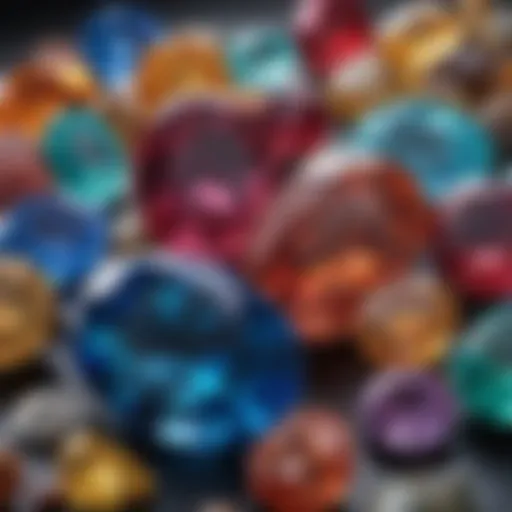
Gemstones are precious or semi-precious stones that are cut and polished for use in jewelry and decorative items. They are often valued for their beauty, rarity, and durability. The birthstone for January 23 is particularly noteworthy due to its vivid hues and metaphysical properties that resonate with those born during this time.
Classification of Gemstones
Gemstones can generally be classified into two categories: precious and semi-precious. Precious stones, like diamonds and rubies, are rarer and considered more valuable. On the other hand, semi-precious stones, such as garnets, are more abundant but can still hold significant aesthetic and cultural value. Both types have their place in the world of jewelry fashion and enhance the aesthetic appeal of any piece.
Historical Significance
Origins of Gemstone Use
The use of gemstones traces back thousands of years, where they were often used not just for adornment but also for spiritual and ritualistic purposes. Ancient civilizations believed that each gemstone contained properties that could influence one's destiny, health, and fortune. The mesmerizing hues of these stones not only caught the eyes of those in ancient times but also sparked a sense of reverence and fascination.
Cultural Insights: Gemstones in Ancient Civilizations
In ancient Egypt, for instance, lapis lazuli was hailed as a symbol of royalty and was often buried with pharaohs to ensure safe passage into the afterlife. Similarly, the Mesopotamians used stones like carnelian for protective talismans. These cultures understood the powerful symbolism behind each stone, embedding deep meaning and lore into their use.
"Gemstones reflect the earth's hidden beauty and its ancient tales. Each cut and polish reveals not only a stone's color but its entire history."
In the case of the birthstone for January 23, its vibrant color and significance in various rituals made it a cherished item throughout different periods and backdrops.
Closure
As we delve deeper into the exploration of the January 23 birthstone and its multifaceted appeal, we welcome you to consider not just the color and beauty but the vast cultural significance and spiritual energy these stones embody. Each section in the following parts will further enhance your knowledge and appreciation, unearthing both well-known facts and intriguing insights about this captivating gem.
Prelims to January Birthstones
January is the month that kickstarts the new year, and its birthstones carry a rich tapestry of significance and lore. The stones linked with this month are more than mere adornments; they embody centuries of history, culture, and spirituality. This exploration aims to peel back the layers surrounding January birthstones, specifically focusing on why they hold importance in both personal and broader contexts.
To understand the impact of January birthstones, we delve into two pivotal aspects: the historical context and cultural significance. Each stone associated with this month has its own backstory, intertwined with human experience and belief systems. Knowing where these stones come from, how they were used historically, and their meanings throughout time contributes immensely to our appreciation of them today.
The benefits of studying January birthstones extend beyond mere aesthetic appeal. These stones often hold personal meanings for individuals born in this month. Each individual may find resonance in their birthstone's characteristics—whether it’s the vibrancy of garnet or the variety of hues offered by alternative stones. Identifying these elements enhances our connection to the gemstones, making them not just a piece of jewelry, but a part of our identity.
Thus, this section lays the foundation for a deeper examination of the birthstones associated with January. With historical insights and cultural understanding, we can appreciate the underlying stories that give these gemstones their allure. The beauty of January birthstones goes hand in hand with their multifaceted meanings, enriching our connection to them even further.
The birthstone of January
The birthstone for January 23 carries a particular significance that goes beyond mere aesthetics. In the landscape of gemstones, it captures the essence of what it means to be born under this date. Each gemstone is not only a visual marvel but also almost imbued with deep cultural, spiritual, and historical meanings. January 23's birthstone is cherished for its beauty and is a powerful emblem of personal attributes such as ambition, strength, and passion.
When it comes to selecting the primary birthstone, there are factors beyond the stone's color. The origins of this stone, its rarity, and the stories woven around it add layers of charm. Collectors often seek stones that resonate with their values and personalities. This is not just a transaction; it's a profound connection between the individual and the earth’s creation. For enthusiasts, delving into the nuances of where the stone was mined, its crystallography, and historical uses can enhance appreciation.
With these aspects in mind, individuals often feel a certain vibrational energy from their chosen gemstone, making it a deeply personal choice. This attachment is pivotal as it contributes to emotional resonance with the birthstone, often believed to confer protective or enhancing qualities to the wearer.
Moreover, speaking of alternative birthstones, it is enriching to consider that January 23 isn't solely tied to one stone. Other stones can serve as alternatives, providing options that might suit different styles or meanings more closely. They often include varieties that share similar qualities or aesthetic appeals.
Some alternative stones might present different hues or durability levels but still carry symbolism. For example, look at garnets, often celebrated for their stunning reds and their connections to passion and vitality. Each stone tells a unique story and can satisfy diverse tastes and belief systems.
In brief, when discussing the birthstone of January 23, it's critical to understand that its importance transcends mere decoration. It is a reflection of individuality, emotional ties, and cultural richness that any gemstone enthusiast or collector can appreciate on a deeper level.
Understanding the Color
The exploration of color in the context of gems, particularly for the birthstone linked to January 23, provides a foundation for understanding its significance. Color can often be seen as the personality of the gemstone, with each shade telling a unique story about its origins, cultural meanings, and physical properties. Appreciating the color characteristics helps enthusiasts and collectors to make informed decisions about their jewelry or specimens. Furthermore, knowledge around color variations adds layers of value, signifying rarity or imperfections that may affect desirability.
Primary Color Characteristics
The primary color of this January birthstone is vibrant red, a hue that carves its niche among other gemstones. This red can range from a subtle rose to a vivid fiery tone, each variation bringing its own vibe. The intensity and saturation of red not only reflect the quality of the stone but also its emotional impact. In antiquity, red was often associated with power, passion, and vitality; it symbolizes both strength and warmth.
While examining this primary hue, one should also consider that color intensity can be influenced by factors such as:
- Clarity: The fewer the inclusions, the more intense the color appears, making for a more desirable stone.
- Cut: How the stone is shaped can enhance or diminish the color's appearance. Well-cut stones tend to reflect light better, which can amplify their vividness.
- Lighting: The environment's lighting drastically affects perception; natural sunlight can make these reds appear more vibrant compared to artificial lighting.
Understanding these characteristics aids in identifying a quality stone and appreciating its visual allure.
Variations in Color
Colors can vary widely within the same type of gemstone, influenced by different geographical locations, impurities in the stone's composition, and even the conditions under which they formed. One variation that stands out in January's unique stone is its potential to showcase subtle hints of different shades, such as:
- Pink undertones: Some stones may display a softer appearance with a hint of pink, appealing to those who favor a more delicate touch.
- Dark Burgundy: A deeper shade that can evoke an air of mystery, these darker variants are less common but can be quite striking.
- Brownish-red: The presence of additional elements in the stone can yield brown bases, which could signify a less superior quality but still hold their own unique charm.
Variations in color can often impact market value significantly. Collectors and enthusiasts should maintain a keen eye for subtle shifts in hues, as they may be an indicator of rarity or desirability.
In summary, understanding both the primary characteristics and the variations in color allows gemstone enthusiasts not only to appreciate the beauty of their gems but also to grasp the underlying narratives they entail. Each hue captures a facet of the earth's story, inviting a closer look into its mysteries.
Symbolism and Meanings
Understanding the symbolism and meanings associated with the January 23 birthstone can deepen the appreciation for its role in personal and cultural contexts. These stones are not merely decorative items; they carry layers of significance that resonate with individuals on personal and collective levels. Throughout history, gemstones have been viewed as powerful talismans, bringing protection, love, and prosperity. Thus, diving into the depths of their meanings can not only enhance one’s connection to the stone but also inspire feelings of confidence and purpose in life.
Spiritual Significance
The spiritual significance of the January 23 birthstone offers a pathway for personal growth and enlightenment. This stone is often linked to various spiritual practices and beliefs, which can enhance the wearer’s journey toward self-discovery.
One notable characteristic of this gem is its association with clarity of thought and spiritual awakening:
- Clarity: It encourages clear thinking and decision-making, allowing individuals to navigate life's challenges with ease.
- Protection: Many cultures believe that wearing this stone offers spiritual protection, helping to ward off negative energies and influences.
- Connection to Higher Realms: Some use the stone in meditation practices to connect more deeply with their spiritual guides or the universe.
Its ability to align with one's higher self can guide both novices and experienced spiritual seekers toward deeper understanding. Thus, considering the spiritual significance of the January 23 birthstone can be an essential aspect for those who seek balance and harmony in their lives.
Emotional Resonance
Emotional resonance is another crucial facet of the January 23 birthstone that appeals particularly to those sensitive to emotional fluctuations. This gem embodies various emotional traits that can impact the well-being of its wearer.
- Calming Influence: Wearing the stone may provide a sense of calm during turbulent times, making it a go-to for individuals facing anxiety or stress.
- Empathy and Understanding: It encourages open-heartedness, fostering deeper connections with others. This can be beneficial for anyone looking to cultivate healthier relationships.
- Resilience: People often find themselves more resilient and adaptive when they wear this stone, as if it imbues them with strength during challenging situations.
"Emotional connectivity and spiritual insight intertwine to create a harmonious balance, making this gem an invaluable companion in personal growth."
These emotional properties make the January 23 birthstone a favored choice among individuals looking for not just aesthetic beauty but also emotional and spiritual depth. Understanding these facets can elevate the experience of wearing or gifting this stone, rendering it a treasure rich with personal meaning.
Role in Jewelry Design
The role of the January 23 birthstone in jewelry design is pivotal, intertwining aspects of aesthetic appeal, personal significance, and creative expression. When creators think of incorporating this stunning gemstone, they are not just selecting a stone; they are choosing a meaningful element that extends beyond mere decoration. The design decisions surrounding this gem reflect both its character and the wearer's intentions.
Settings and Styles
The settings and styles of jewelry holding the January birthstone vary remarkably, reflecting a spectrum of tastes. From classic solitaires that highlight the stone's pure beauty to intricately designed halo settings that enhance its visual depth, the styles cater to diverse preferences:
- Traditional Mounting: Simple yet elegant. Often crafted in gold or silver, these settings focus on showcasing the stone itself, ideal for those who appreciate minimalism.
- Modern Designs: Contemporary pieces feature asymmetrical settings, mixed metals, and bold cut-outs, appealing to a more fashion-forward audience. Jewelry designers frequently experiment with materials and shapes in order to resonate more with younger generations.
- Vintage Styles: Inspired by earlier eras, these pieces often involve filigree work, detailed engravings, and use of colored gemstones alongside the January birthstone, creating a nostalgic flair.
- Statement Pieces: By opting for oversized designs and combining multiple stones, a statement piece can become a conversation starter. This form of self-expression may greatly resonate with gemstone enthusiasts who strive for uniqueness.
Each setting not only enhances the visual aspects of the birthstone but offers distinct benefits to how the stone is perceived and worn. For example, a snug bezel setting not only elevates the stone but also provides additional protection, while prong settings allow maximum light to enter the gem, enhancing its shine.
Popular Uses
The popularity of the January birthstone in various types of jewelry illustrates its versatility and appeal:
- Rings: Perhaps the most loved option, rings with the January birthstone are often gifted on meaningful occasions—be it birthdays, anniversaries, or engagements. Designers create a wide array of styles, from delicate bands to elaborate cocktail rings.
- Necklaces: Pendants featuring the January birthstone serve both as personal tokens and statement pieces. Whether worn solo or part of layered designs, they hold significant emotional weight for the wearer while adding flair to any outfit.
- Earrings: Studs and dangle earrings featuring the January birthstone can blend effortlessly with both casual wear and formal attire. Their ability to catch the light makes them attractive options for buyers aiming for elegance.
- Bracelets: Incorporating the birthstone into bracelets can make for beautiful gifts, woven in alongside other stones or charms to imbue further meaning. This layering can represent the connections between friends and loved ones.
In all its forms, the January birthstone has found a place in myriad jewelry styles, appealing to collectors and enthusiasts alike.
Metaphysical Properties
The realm of metaphysical properties surrounding gemstones often stirs intrigue among enthusiasts and collectors alike. January's birthstone is no exception. Understanding the metaphysical attributes of this stone enhances its significance beyond mere aesthetics. It allows individuals to connect on a deeper level, seeking wellness and balance through the energies attributed to the stone.
Healing Attributes
The healing properties of the January 23 birthstone are woven into its very essence. Believers in crystal healing often assert that this stone aids in emotional stability and resilience. It is thought to help alleviate concerns and fears, wrapping the user in a comforting aura.
- Stress Relief: Many find that holding or wearing this stone can provide a calming effect. Throughout stressful situations, it is believed to anchor the individual, making it easier to navigate trials.
- Emotional Balance: This stone, resplendent in its hue, is said to guide one towards emotional equilibrium. It may promote clarity of thought, helping individuals express their feelings and maintain a tranquil state of mind.
- Physical Healing: Some advocate that the stone can assist in physical ailments, notably linked to the throat and respiratory system, suggesting a connection between its energy and healing potential.
"A stone touched by the heart, offers both defense and nurture."
Chakra Associations
The connections between gems and the human energy system, known as chakras, plays a vital role in metaphysical practices. The January 23 birthstone is primarily associated with certain chakras that bolster its healing properties.
- Throat Chakra: The stone is often linked to the throat chakra, where it is believed to enhance communication. Clear speech and truthful expression are other dimensions attributed to activating this chakra through the stone's energies.
- Heart Chakra: Some see connections to the heart chakra, opening pathways for love and empathy. This association empowers individuals to connect deeper with themselves and others, fostering harmonious relationships.
- Crown Chakra: On a broader level, it is sometimes associated with the crown chakra, symbolizing spiritual awakening and connection to the universe.
In summary, the metaphysical properties surrounding the January 23 birthstone present a fascinating interplay of healing and self-discovery. By tapping into the stone's inherent properties, one may embark on a journey toward personal growth and emotional clarity.
Selection Guidelines for Birthstones
Selecting the right birthstone, particularly for January 23, requires careful consideration. This choice impacts not just aesthetic appeal but also emotional and symbolic resonance. For gemstone enthusiasts and collectors alike, understanding the nuances of selection can enhance the connection to these beautiful stones.
When choosing a birthstone, one must consider several factors. Here are some key elements to keep in mind:
- Color and Clarity: The color of the birthstone isn't just for show. It reflects personal taste and can embody various meanings. Clarity is equally important; blemishes or inclusions can detract from the stone’s overall beauty and value.
- Cut and Shape: The cut influences how light interacts with the stone, affecting its sparkle. Different shapes, from round to pear, can also appeal to distinct styles and preferences.
- Size and Weight: Size does matter; a larger stone can be more striking, but it also often comes with a higher price tag. Weighing options between size and budget is essential.
- Gemstone Origin: Stones sourced from particular regions can carry different qualities and histories. Knowing where the stone comes from adds to its story.
- Personal Resonance: Each person may connect differently with their birthstone based on personal experiences or emotional ties. This subjective element is crucial in making a selection.
Ultimately, the selection of a birthstone is a blend of personal connection and informed choices, enriching the overall experience for gemstone lovers.
Quality Assessment
When you’re diving into the realm of birthstones, particularly for January 23, assessing quality ain't just a box to tick off. Understanding quality can greatly affect both the stone's value and the satisfaction of ownership. Here are some pointers on how to evaluate a birthstone's quality:
- Color: The richness and intensity of the color can signify authenticity and value. Look for a hue that's striking but balanced.
- Clarity: Check for any visible inclusions or flaws. A clear stone is often considered more valuable.
- Cut: A well-executed cut enhances the brilliance and overall appearance. Live with the stone's glow.
- Carat Weight: Heavier stones usually command a higher price, but balance that with the other quality indicators.
Certification and Authenticity
Certification is a critical aspect of ensuring the integrity and authenticity of a birthstone. Without proper certification, one might find themselves duped by a stone that isn't what it claims to be. Here’s what to know:
A genuine gemstone should come accompanied by a certification from a reputable gemological institute. This certificate serves as proof of authenticity and quality assessment.
- Look for Trusted Institutes: Organizations like the Gemological Institute of America (GIA) or the American Gem Society (AGS) provide reliable certifications that can help in establishing trust.
- Details on Certification: A certificate should ideally detail the stone's specific characteristics, including its color, clarity, cut, and carat weight. Understanding these attributes aids in verifying quality.
- Avoiding Misrepresentation: Ensure that the seller is transparent with certification details. Lack of certification, or something that looks fishy, can be a red flag.
Caring for Your Birthstone
Caring for your birthstone goes beyond mere maintenance; it's about preserving a piece of your identity and heritage. Whether it's a garnet, the primary birthstone for January, or one of its alternatives, each piece has a story, and the care you provide can enhance its beauty while extending its lifespan. In this section, we will dive into effective cleaning techniques and valuable storage tips, ensuring your birthstone continues to shine as brightly as the day you acquired it.


Cleaning Techniques
Keeping your birthstone clean is essential to maintaining its luster and vibrant color. Different stones require varying approaches, but the following methods can serve as a general guide:
- Gentle Soap and Water: Most gemstones can be safely cleaned with mild soap mixed with lukewarm water. Use a soft cloth or a brush with gentle bristles to avoid scratching.
- Avoid Harsh Chemicals: Stay away from bleach or abrasive cleaners; such substances can dull the surface or damage the stone. If you see signs of heavy tarnishing or dirt buildup, it's best to consult a professional jeweler for advice.
- Ultrasonic Cleaners: While many enthusiasts swear by ultrasonic cleaners, be cautious. Not every stone can withstand the vibrations. For instance, opals and pearls might suffer damage, so check before proceeding.
"A clean birthstone is not just about aesthetics; it’s a reflection of the care and respect you have for its significance in your life."
- Steam Cleaning: This is suitable for tougher stones like diamonds and sapphires. However, delicate stones should never be subjected to steam, which could cause fractures.
Frequency Matters: Ideally, clean your birthstone once a month, or more often if worn daily, to keep the shine intact.
Storage Tips
Proper storage plays a vital part in the longevity of your birthstone. Here are some strategies to ensure your precious gems remain in excellent condition:
- Separate Storage: Store each item separately to prevent scratching. A soft pouch or a fabric-lined jewelry box works well. If you layer multiple pieces in one box, make sure to use dividers to minimize contact.
- Temperature Control: Keep your birthstone away from extreme temperatures. Hot or cold environments can lead to cracks or discoloration. A stable, room-temperature storage spot is ideal.
- Sunlight Avoidance: Direct sunlight can fade some stones over time. If you have a sunny window display, consider investing in a UV-protective case to shield your gems.
- Keep Away from Moisture: Humidity can damage certain gemstones, especially softer varieties or those with adhered coatings. Use silica gel packets to absorb any excess moisture in your storage area.
In sum, caring for your birthstone requires a balance of routine cleaning and intelligent storage practices. By following these guidelines, you ensure that your birthstone remains not just a beautiful accessory, but also a treasured heirloom, rich with meaning.
Trends in Birthstone Jewelry
The world of birthstone jewelry has seen many transformations as tastes and technology evolve. For those who hold a passion for gemstones, observing these trends unveils richer storytelling and greater depth in personal expression. With January 23’s birthstone at the forefront, understanding the current trends in this realm grants valuable insight into not only the aesthetics but also the cultural narratives stitched into each piece.
Emerging Styles
The landscape of jewelry design is ever-shifting, and birthstones have found a way to merge timeless appeal with contemporary aesthetics. Recent emerging styles highlight a blend of vintage charm and modern minimalism. Here are some noteworthy trends:
- Layered Necklaces: These designs often combine different lengths and styles, allowing multiple birthstones to shine together, creating a personal tapestry of meaning.
- Mixed Metals: Gold, silver, and rose gold create visual interest. Jewelers are incorporating birthstones set in different metals to define unique pieces that stand out.
- Sustainable Materials: Eco-conscious practices encourage the use of ethically sourced gems and recycled metals in crafting birthstone jewelry. This shift reflects a growing awareness of environmental impacts.
- Personalization: Birthstones engraved with initials, names, or meaningful dates are making waves. This aspect makes each piece one-of-a-kind, fostering emotional connections.
- Statement Pieces: Larger or more unusual cuts of birthstones are becoming increasingly popular. These bold styles not only serve as conversation starters but also reflect individual personality.
The rise of these styles serves to resonate with a crowd that values both self-expression and individuality, integrating the significance of the birthstone into everyday life.
Market Trends
Understanding the market trends within birthstone jewelry is essential for anyone involved in the industry or a dedicated enthusiast. These trends not only highlight consumer preferences but can also shape production decisions. Recent market insights show:
- Online Shopping Surge: The advent of e-commerce has led consumers to purchase gemstones and jewelry online, broadening accessibility and choice. Websites like www.britannica.com and specialized platforms have become invaluable resources for information as shoppers seek quality and authenticity.
- Social Media Influence: Platforms like Instagram and Pinterest play a pivotal role in shaping desires and altering trends. Handmade birthstone jewelry finds a significant audience, as artisans and designers showcase their unique creations.
- Global Influence: With cultural exchange richer than ever, there is a growing demand for designs that reflect various cultures and styles. January birthstone jewelry, for example, may combine influences from different traditions, appealing to a broader demographic.
- Price Fluctuations: Market dynamics, including availability and mining impacts, can lead to fluctuations in prices for certain gemstones. Keeping an eye on these changes is crucial for consumers and collectors alike.
"Every gemstone has its own story. As trends change, those stories just keep getting richer."
Being aware of these emerging styles and market trends is not only useful for making educated purchases but also helps in understanding the evolving narrative of gemstone appreciation. As trends continue to blossom, January 23’s birthstone and its representation in jewelry remain ever-relevant. The connection between the stones and their meanings grows deeper, encouraging individuals to explore, choose, and cherish thoughtfully.
End and Future Considerations
In concluding our exploration of the January 23 birthstone, it becomes vital to reflect on the multifaceted significance such a stone brings not only to those born on this date but also to jewelry enthusiasts and collectors everywhere. The intricate relationship between color, symbolism, and personal connection adds additional layers of meaning that should never be overlooked. The exploration of this January birthstone serves as a reminder of how deeply stones can resonate beyond their physical beauty.
Reflecting on the Stone's Meaning
As we delve deeper into the essence of this unique gemstone, it’s essential to understand that its true value often transcends monetary considerations. For many, the January 23 birthstone represents a personal narrative woven through life experience. It echoes sentiments of resilience, love, and protection.
Often worn during significant life events such as weddings or ceremonies, the stone becomes a cherished companion, reminding its wearer of pivotal moments. Moreover, its stunning color can illuminate an array of emotions and memories, creating a bond that is truly special.
Consider how a vibrant red garnet, traditionally associated with January, signals a fervent energy. This color may symbolize passion, while a more muted hue could bring tranquility. Each variation can be a window to one's introspective journey, not only contributing to the ornament's beauty but also making it relevant in a personal context.
"A stone may just appear as an ornament, but its meaning—that’s formed through life, love, and time."
Encouraging Exploration
Finally, as we conclude, it’s worth urging readers to explore not only their birthstone but also related alternatives and analogous stones. The gemstone world is vast, and occasionally branching out can reveal unexpected and delightful aspects of personal significance. Learning about different gemstones like the captivating rose quartz or radiant citrine might unveil new meanings or connections to individual narratives.
Additionally, taking the time to appreciate these stones’ various uses in jewelry and ornamentation broadens one's outlook. Jewelers often combine elements to create striking pieces that tell a story, allowing a dynamic way to connect one's personal identity with the stones they wear. Exploring beyond the birthstone can curate a collection full of personal resonance and aesthetic diversity.
As such, the importance lies not merely in owning these stones but in understanding their cultural contexts and meanings. The journey of exploration is one that enlightens, broadens horizons, and encourages not just a love for gemstones but an appreciation for their unique stories.