Understanding Moissanite Sizes: Your Complete Guide
Intro
In the world of gemstones, moissanite stands out as a dazzling contender, renowned not just for its brilliance but also for the myriad sizes it comes in. This guide seeks to illuminate the various aspects tied to moissanite sizes, assisting both seasoned enthusiasts and newcomers in making informed choices.
Understanding moissanite gemstones begins with recognizing that size matters. It influences not only the visual prominence in jewelry but also how it fits into personal style preferences and budgets. Over the next sections, we will delve into the carat weight implications, the aesthetic considerations that come with different sizes, and how to choose the perfect moissanite for various jewelry applications.
Before we dive into the specifics, let's outline the basic structure of this exploration:
- We will start with an overview of gemstones and how moissanite fits into that classification.
- Then, we will touch upon the history of moissanite, highlighting its journey from a natural mineral to a popular lab-grown alternative.
- Lastly, we will debunk some common myths surrounding moissanite sizes and provide practical tips for selecting the ideal stone.
With these touchpoints in mind, the aim is to furnish readers with not just information but a richer understanding of what moissanite sizes bring to the table in the realm of fine jewelry.
Understanding Moissanite
Understanding Moissanite is essential in grasping the broader implications that size plays in its selection and presentation within the jewelry realm. In this article, we will dissect the key elements that revolve around Moissanite—from its definition to its unique qualities that distinguish it from other gemstones. The proper comprehension of Moissanite enhances the buying experience by providing clear insights into its characteristics and determining factors that contribute to its value.
This section lays the groundwork for readers who may be new to this gemstone or those who wish to deepen their existing knowledge. Therefore, let’s delve into its definition, origin, and how it stands up against other popular gemstones in the market.
What is Moissanite?
Moissanite is a silicon carbide crystal that has become a popular alternative to diamonds in recent years. It possesses remarkable optical properties, showcasing a level of brilliance and fire that rivals, and in some instances surpasses, that of traditional diamonds. Unlike natural diamonds, which are formed over millions of years deep within the Earth, moissanite was first discovered in a meteorite, adding a touch of cosmic charm to its allure.
This gemstone is often celebrated for its exceptional hardness, rating close to a diamond on the Mohs scale—hovering around 9.25. It means that it can withstand everyday wear and tear much better than softer gemstones, making it a practical choice for engagement rings and other daily jewelry wear.
The Origin of Moissanite
The discovery of moissanite can be traced back to 1893, when Henri Moissan found its crystals in a meteor crater in Arizona. What’s fascinating is that its natural occurrence is extremely rare; in fact, most of the moissanite available in the market today is lab-created. The synthetics are produced to ensure purity and to minimize the environmental impact often associated with stone mining. This origin story adds a layer of intrigue, making moissanite not just a beautiful stone but also one with a rich geological and historical background.
Opting for lab-grown moissanite is not just about aesthetics; it also aligns with growing consumer trends toward ethical and sustainable choices in jewelry. As buyers become more environmentally conscious, understanding this origin helps underline the ethical advantages of choosing moissanite over mined gemstones.
Moissanite vs. Other Gemstones
When compared to other gemstones, moissanite holds its own quite well. It often comes down to considerations of price, durability, and visual appeal. For instance, while diamonds may command a hefty price tag due to their cultural status and scarcity, moissanite offers a comparable appearance at a fraction of the cost. This affordability allows people to purchase larger stones without breaking the bank, thus making moissanite an enticing option for many looking to invest in fine jewelry.
- Visual Appeal: Moissanite's fire, or rainbow-like flashes of color, tends to be more pronounced than that of diamonds. Some individuals prefer the more vivid sparkle of moissanite, whereas others may lean towards the subtler elegance of diamonds.
- Durability: As previously mentioned, the Mohs hardness rating indicates that both moissanite and diamonds stand the test of time better than many other gemstones which may be more vulnerable to scratching or chipping.
- CostEffectiveness: For many, the affordability of moissanite is a compelling factor. You get a dazzling appearance without the inflated price associated with natural diamonds.
In summary, understanding moissanite sets the stage for exploring its sizes and the significance that these sizes play in terms of aesthetic appeal and practicality in jewelry design.
The Significance of Size in Moissanite
When it comes to moissanite, size isn't just a number; it's a cornerstone of its appeal. Understanding the significance of size can help enthusiasts more effectively choose the right piece of jewelry for their needs. Size influences not only how a moissanite looks but also how it is perceived in varying contexts. There are specific elements that underscore the importance of size, including its impact on visual aesthetics, personal expression, and even market value.
Exploring Carat Weight
Carat weight is the most conventional way to measure the size of moissanite. It's categorically vital for buyers who want to make informed decisions. Generally, a carat refers to a measure of weight, not size, but the correlation is strong enough that buyers often equate a higher carat with a more impressive appearance.
Key Points:
- One Carat Equals 200 Milligrams: Knowing this helps when comparing to other gemstones like diamonds.
- Size Variation: Moissanite tends to appear larger than diamonds of the same carat weight because of its distinct optical characteristics. This brings value-add for those looking for a broader appearance without the heftier price tag.
- Market Trends: Being aware of carat preferences can help buyers align with current market trends. For instance, a 1.5-carat moissanite can command attention and admiration, whereas a 2-carat may signify a more significant investment.
Much like choosing a slice of cake, deciding on carat weight involves context—whether it’s an engagement ring or a statement necklace, every choice should reflect individual essence.
Visual Perception of Size
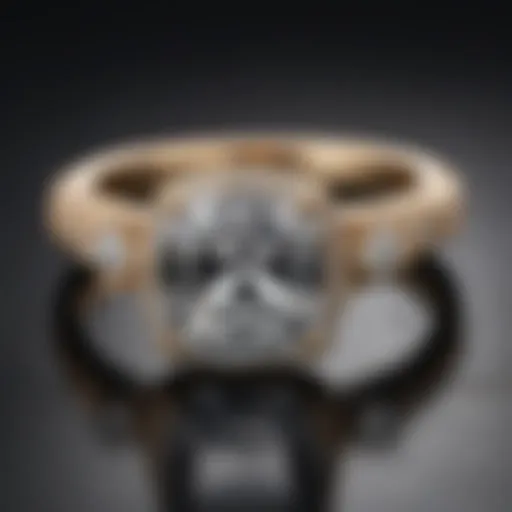
The way people perceive size is not strictly linked to physical dimensions. Various factors play into this perception, from the setting of the moissanite to the overall design of the jewelry. A smaller moissanite in a classic halo setting can sometimes appear larger than a more substantial stone in a simple band.
Considerations:
- Setting Style: Intricate settings can enhance the stone's appearance, making it look larger than its actual size.
- Cut Quality: An expertly cut moissanite maximizes brilliance and size perception. A well-cut gem catches light in ways that mislead the eye about its actual size.
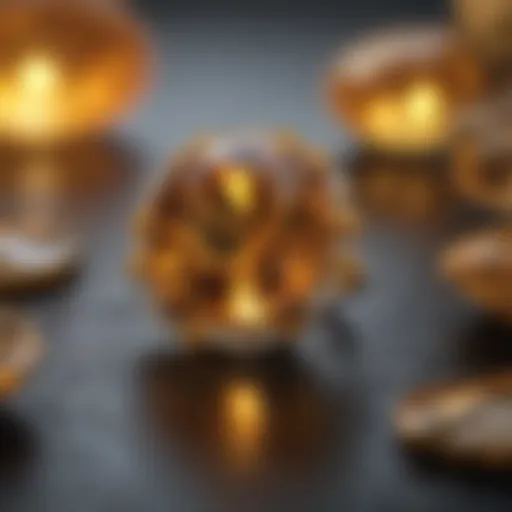
- Bokeh Effect: The phenomenon where the background appears blurred around a sparkling moissanite often enhances the visual appeal, contributing to a perceived larger size.
Ultimately, the emotional and aesthetic value attached to moissanite pieces often surpasses merely weighing the carat, transforming the buying decision into a more personal journey.
Size and Sparkle: The Interaction
Sparkle and size are closely intertwined in the way a moissanite captivates the beholder. Bigger doesn’t always mean better when it comes to sparkle; rather, it's about how light interacts with the stone. The unique refractive index of moissanite gives it a dazzling quality that can rival diamonds.
Important Insights:
- Brilliance vs. Size: A smaller moissanite can appear more vibrant due to its higher quality cut, which allows it to reflect light efficiently. It’s comparable to seeing a small candle flame flickering brightly in a dark room rather than a large bulb in full daylight.
- Fires and Colors: Moissanite's ability to reflect colors might also affect how one perceives its size. The more vibrant the color dispersion, the larger it can appear in effect.
- **The
Standard Moissanite Sizes Available
Understanding the standard sizes of moissanite is crucial for anyone interested in acquiring or designing jewelry. The size of a gemstone not only affects its overall appearance but also plays an integral role in how it fits into different styles and settings. When discussing moissanite sizes, the focus can shift from the metrics of carat weight to how these sizes translate across various settings. Recognizing the available options can help potential buyers and jewelry enthusiasts alike make informed choices that resonate with their personal style and preferences.
Common Sizes in the Market
When you step into the world of moissanite, you will quickly discover that several common sizes dominate the offerings. Typically, moissanite is sold in sizes that range from as small as 2mm to larger selections like 10mm and above. Here are some standard sizes you might encounter:
- 2mm - Often used in accent or side stones.
- 4mm - A common choice for pendants or earrings.
- 6.5mm - Frequently regarded as an ideal engagement ring size, equivalent to a 1 carat diamond.
- 8mm - Interchangeable with larger engagement or statement rings.
- 10mm - Preferred for bold fashion pieces.
Each of these sizes can evoke a different visual impact. For instance, a 6.5mm moissanite might create a subtle, elegant appearance, while an 8mm could make a noticeable statement, drawing the eyes in. Even though many buyers gravitate towards certain sizes based on trends or personal favorites, the unique attributes of moissanite allow for flexibility in design choices.
Custom Sizes vs. Standard Options
Opting for either custom sizes or sticking with the standard options is a pivotal decision for those looking into moissanite. Standard sizes have their merits, including ease of availability and often more competitive pricing. Retailers tend to stock popular sizes ensuring that you can find your desired piece without undue delays. However, if uniqueness is what you desire, custom sizing options allow you to tailor the stone specifically to your needs.
- Standard Options:
- Custom Sizes:
- Readily available in stores and online.
- Often more affordable due to mass production.
- Quick turnaround for obtaining the desired size.
- Tailored to exact specifications, allowing for a bespoke feel.
- Ideal for unique settings or personal style statements.
- May come with longer wait times and potentially higher costs.
Whether you settle for a standard size or go the custom route, understanding the implications of each will facilitate a more fulfilling purchase experience.

Choosing the Right Moissanite Size
Choosing the right moissanite size is more than just a preference; it lays the groundwork for how your piece of jewelry will be perceived and how it blends with your personal style. A well-considered size amplifies the stone's brilliance, making it stand out without overshadowing the overall design of the jewelry. Thinking about this size aspect can positively impact how a piece resonates with the wearer and others.
Factors to Consider
When it comes to selecting the perfect size of moissanite for your jewelry, you’ll want to take into account a few key factors. Each of these plays a significant role in creating a harmonious look that complements your lifestyle and taste.
Personal Style and Preference
Personal style is an ever-evolving aspect of individuality. It reflects your personality and showcases your tastes to the world. When it comes to moissanite, understanding your personal style can help in making the right choice regarding size. A big, bold moissanite might appeal to one person, while another may lean towards a more subtle look with a smaller stone.
The unique feature of a moissanite’s sparkle means that even smaller sizes can have significant visual impact—allowing wearers to make a statement without needing a hefty carat weight. This flexibility makes it a popular choice in the realm of fine jewelry since it can adapt to both minimalist and maximalist styles alike.
Occasion and Jewelry Type
The occasion often determines the type of jewelry you’ll be considering, which in turn can influence the size choice of your moissanite. For example, an engagement ring might traditionally call for a larger stone to signify commitment, while everyday pieces like stud earrings or pendants could favor a more modest size.
The flexibility in moissanite size allows it to cater to various settings and purposes seamlessly. A smaller moissanite can be just right for everyday wear, while a grander size is suitable for that special evening out. Balancing occasion and stone size can maximize impact without going overboard.
Budget Constraints
Unfortunately, budget constraints can limit the size of moissanite you may want to purchase. Moissanite generally offers a good price-to-size ratio compared to traditional diamonds. However, larger stones do still come with a higher price tag. While it’s easy to get carried away imagining the perfect sparkly stone, it’s essential to align your choice with your financial reality.
Choosing sizes within your budget ensures not only that you get a lovely stone but also prevents future buyer's remorse. This factor prompts thoughtful decision-making and can be a catalyst to exploring alternative shapes or cuts that might fit better within your financial range.
Assessing Ring Size and Fit
After considering aesthetics and budget, the next step addresses practical matters: assessing ring size and fit.
Getting the fit right can make or break the overall experience of wearing jewelry. When it comes to a moissanite ring, measuring correctly ensures it's comfortable and secure on your finger.
Sometimes that requires a little help from professionals, but self-measurement can also work if you follow a few simple tips. Ensure your finger is at its normal temperature, as sizing can be inaccurate when fingers are cold or swollen. Consider your lifestyle: If you have a job that involves physical activity, a snugger fit might be preferable. Lastly, remember, a moissanite ring deserves to be shown off, so ensuring a good fit allows you to do just that.
Common Misconceptions About Moissanite Sizes
When it comes to gemstones, there are a myriad of myths swirling around, particularly regarding moissanite and its sizes. Understanding these common misconceptions is vital for anyone looking to purchase or appreciate moissanite jewelry. Misunderstandings not only cloud judgment but can also lead to choices that might not align with personal preferences or investment goals. This part of the guide aims to clear the fog around these misconceptions, allowing enthusiasts and buyers to make informed decisions.
Size Equivalence to Diamonds
One prevalent myth is that moissanite stones of the same carat weight will appear identical in size to diamonds. While both gemstones can be measured in carats, their perceived sizes can differ significantly due to variations in cut and refractive properties. For instance, moissanite often displays greater brilliance and fire than diamonds, which can lead to a visual illusion of size enhancement. This might cause some to believe that a larger carat weight is necessary to achieve a similar appearance to a diamond when, in fact, a smaller moissanite may suffice.
It's essential to keep this in mind when shopping. Consider the quality of cut as it substantially influences how the stone reflects light, and this, in turn, can impact the visual size. This distinction is crucial for anyone wanting to achieve a specific look in their jewelry. Pay attention to how moissanite's sparkle can sometimes make it look larger than it is. Armed with this knowledge, customers can avoid overestimating the necessary carat weight when they’re considering moissanite.
"Cut quality can drastically affect the perceived size of your moissanite, making the stone appear dazzling even in smaller dimensions."
The Myth of Uniform Size Appearance
Another common oversight involves the assumption that all gemstones labeled with the same carat weight – whether diamond or moissanite – will look uniform in size across different cuts and settings. This is far from the truth. Factors such as the shape of the cut, whether it is round, oval, or pear-shaped, can all optically alter the stone’s appearance. For instance, a round moissanite may appear larger than an equally weighted square cut simply because of the way light interacts with each shape.
Additionally, the mounting and design of the jewelry also play a role. A round moissanite in a high-setting ring might present differently than a flat-set stone of the same size. As a result, potential buyers might feel misled if they expect uniform size from different styles and shapes. This misconception can result in dissatisfaction or regret – two things that can be avoided if one understands the traits of each cut. Always adopt a more nuanced view when evaluating these stones; appreciate the artistry behind each design and its impact on how the size is perceived.
Understanding these misconceptions not only prepares buyers for a more rewarding shopping experience but also enhances their appreciation for moissanite as a gemstone. The clarity about size equivalence and the variety in appearance among sizes can empower enthusiasts to confidently choose the perfect moissanite for their needs.
Caring for Moissanite Jewelry
Caring for moissanite jewelry is not just a box to check off; it’s an essential practice that keeps your pieces looking dazzling and extends their lifespan. Much like any fine jewelry, moissanite requires specific upkeep, especially considering its unique properties. Understanding the right care can mean the difference between a dull stone and one that sparkles as brightly as the day you bought it. This section will cover essential maintenance strategies and cleaning techniques, based on size and other factors, ensuring your moissanite stays as stunning as ever.
Maintenance Based on Size
The size of your moissanite can influence how you maintain it. Larger stones, while often more visually impressive, can be more susceptible to scratching and collecting dirt compared to their smaller counterparts. Therefore, it's crucial to tailor your maintenance routine to the size of your moissanite gemstone.
For Larger Stones
- Frequent Inspections: Larger moissanites, particularly those over two carats, should be regularly checked for any loose settings. You don’t want to risk losing your precious gem.
- Elevated Care: Since larger stones are often worn more prominently, clean them more often—after all, they’re the ones grabbing the most attention.
For Smaller Stones
- Gentle Approach: Smaller moissanites can attract dirt, but they generally withstand wear better. Opt for a softer touch when cleaning.
- Occasional Clean: Cleaning can be less frequent than with larger stones but ensure it’s done regularly; otherwise, they can start to lose their luster.
Ultimately, knowing your stone size will allow you to keep your jewelry looking fresh and vibrant, extending its life considerably.
Cleaning Techniques and Recommendations
Cleaning your moissanite jewelry requires careful consideration to maintain its brilliance without causing damage. Here are tried-and-true methods tailored to suit different lifestyles and preferences:
- Simple Soak:
- Soft Brush Technique:
- Professional Clean:
- Avoid Harsh Chemicals:
- Combine warm water with a few drops of mild dish soap. Let your moissanite soak for about 20-30 minutes to loosen any grime.
- After soaking, use a soft-bristled toothbrush to gently scrub the stone, getting into those hard-to-reach spots. Just be sure to avoid any abrasive cleaning devices.
- If your moissanite is part of a complex setting, consider taking it to a jeweler for professional cleaning. It’s a smart move to ensure your entire piece is handled correctly.
- Stay clear of ammonia, bleach, and any harsh cleaning solutions, as they can dull the stone and damage the setting.
"A little bit of care goes a long way. Treat your moissanite as the precious jewel it was always meant to be."
By establishing a routine tailored to the size and intricacies of your moissanite jewelry, you help maintain not only its stunning appearance but also its sentimental value. With the right knowledge and a few best practices, you can enjoy your moissanite pieces for years to come.
The Future of Moissanite Sizes in the Market
The future landscape of moissanite sizes in the jewelry market is poised for significant evolution. As consumer preferences shift and as awareness of this remarkable gemstone spreads, understanding what lies ahead can offer insight for both buyers and sellers alike. The essence of this topic encapsulates advancements in customization, market trends, and evolving consumer tastes. Each of these elements will shape how moissanite is perceived and utilized in various types of jewelry, from engagement rings to statement pieces.
Trends in Moissanite Sizes
The next few years promise to reveal various trends in the availability and preference for moissanite sizes. As more consumers discover the unique beauty of moissanite, size trends may increasingly reflect personal taste rather than just traditional standards.
- Rise of Customized Sizes: Nowadays, many retailers are starting to offer sizes that diverge from the standard market norms. Instead of focusing solely on traditional carat weights, brands have begun to cater to personalized demands, creating unique pieces that may include unusual carats and settings. This shift allows for greater individual expression.
- Emergence of Alternative Cuts: While round brilliant cuts have historically dominated the moissanite market, trends show a growing interest in shapes such as emerald and heart. These alternative cuts require different sizing considerations but allow customers to dictate not just the size, but the overall aesthetic of their jewelry.
- Stackable Styles: The trend towards minimalism plays into the popularity of stackable rings and layered necklaces. As consumers gravitate towards multi-layered looks, mid-sized moissanite stones, which blend size with style, will likely become increasingly popular.
In the mix, the emerging use of technology is perhaps the most exciting aspect. Virtual reality and augmented reality tools are beginning to supplement how buyers choose sizes, allowing them to visually assess how various sizes and settings will look on their unique jewelry pieces. It transforms the customer experience, making it more engaging and more personal.
Consumer Demand and Preferences
As the narrative around moissanite grows, so does the awareness and demand among consumers. Jewelers and designers who keep their fingers on the pulse of these consumer needs will find opportunities to cater to evolving preferences effectively.
- Awareness of Moissanite's Benefits: The rise in consumer demand is not just for the stones themselves but also for their inherent benefits. Many buyers appreciate moissanite for its durability and ethical sourcing, preferences that resonate more with environmentally-conscious consumers today.
- Price Sensitivity: While tastes may vary, price remains a decisive factor. With moissanite typically costing less than diamonds, many consumers are inclined to opt for larger stones without the hefty price tag. This dual benefit of size and affordability is a compelling draw.
- Personalization Over Perfection: More consumers are leaning towards personalized jewelry, one that tells a unique story rather than strictly adhering to established standards. This suggests a future where subjective qualities may be prioritized over conventional size norms.
As trends evolve, jewelers must pay attention to these shifting consumer demands. Offering tailored options, innovative designs, and transparent pricing can set savvy brands apart in this continually developing market. By understanding what consumers are yearning for, the industry can drive not only sales but satisfaction, creating a joyful connection between buyers and their chosen gems.
For further insight into gemstone trends, check out this detailed discussion on the future of gemstones on Wikipedia or explore consumer preferences on Reddit.