Discovering the Wonders of Natural Crystal Gemstones
Intro
Natural crystal gemstones have woven themselves into the very fabric of human culture and history, sparkling not only as mere adornments but also as objects of profound fascination and utility. From the glittering depths of Earth’s crust, these precious stones have been cherished for their beauty and metaphorical qualities. In this exploration of the realm of gemstones, we aim to unveil their nuances through a multifaceted lens that includes their formation processes, classifications, historical significance, and their deep-seated meanings in various cultures.
By diving into the captivating world of natural crystal gemstones, enthusiasts—as well as those who might simply be curious—will gain insights that transcend the aesthetic pleasure they provide. This comprehensive guide strives to connect the dots between art, science, and personal experiences with gemstones. Let’s embark on this journey to discover not just the gems themselves, but the stories they tell and the lives they touch.
Gemstone Overview
Definition of Gemstones
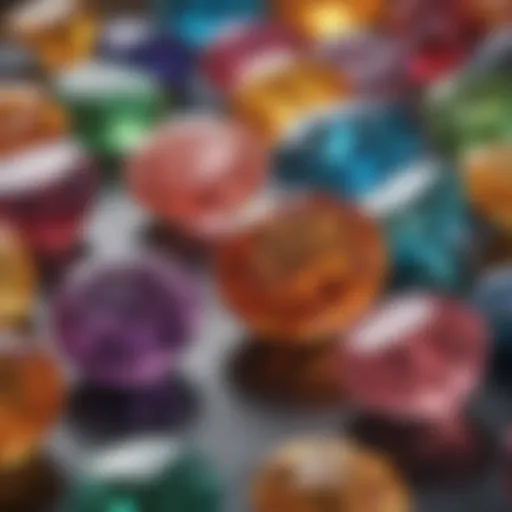
Gemstones are naturally occurring minerals or organic materials that exhibit beauty and rarity, often polished and cut into specific shapes for use in jewelry. While many might think of diamonds, rubies, or emeralds, the gemstone category spans a remarkable diversity of stones across the spectrum. The allure of gemstones lies in their unique formation—each piece is a snapshot in time, shaped by geological processes over millions of years.
Classification of Gemstones
Gemstones can be classified into two main categories: precious and semi-precious.
- Precious Gemstones: These typically include diamonds, sapphires, rubies, and emeralds. They are highly sought after due to their brilliance, rarity, and durability.
- Semi-Precious Gemstones: This category includes a wide variety of stones such as amethyst, turquoise, and garnet. Although they may not match the price tags of precious stones, they are celebrated for their diverse colors and unique characteristics.
The classification further extends into subcategories based on chemical composition and crystallography. For example, quartz can be found in various forms—clear, rose, or smoky—displaying its versatility and beauty.
Moreover, gemstones can also be sorted based on their formation process: igneous, sedimentary, or metamorphic, each possessing its own distinctive story about the Earth’s volatile past. This exemplifies how these natural treasures are not solely for adornment; they carry geological narratives that connect us to the Earth itself.
"Gemstones: Where Nature Meets Artistry"
As we move deeper into this exploration, be ready to discover how these stones have left indelible marks on the annals of history and human culture.
Prolusion to Natural Crystal Gemstones
Exploring the sphere of natural crystal gemstones is akin to embarking on a journey into the heart of Earth itself. Offering a fusion of beauty, mystery, and a rich history, these gems are more than just aesthetically pleasing stones. They serve as treasures that reflect the earth's geological processes, influenced by time, heat, and pressure. This exploration highlights not merely their physical attributes but also their cultural and metaphysical significance, appealing to a diverse audience from jewelry designers to geology enthusiasts.
Definition and Characteristics
Natural crystal gemstones encompass a wide variety of minerals formed deep within the Earth's crust. Distinct from synthetics or lab-created stones, these gems have a unique origin story marked by natural forces. The characteristics of these stones, such as color, clarity, and how they refract light, contribute to their allure and value. Each gemstone possesses its own unique fingerprint, depending on its chemical composition and the conditions under which it formed.
Historical Context and Usage
The significance of gemstones spans across ages; their captivating beauty and perceived powers have cemented a place in human history.
Ancient Civilizations
In ancient civilizations, the use of gemstones went beyond adornment. Cultures like the Egyptians, Greeks, and Mesopotamians enshrined crystals with sacred meanings and employed them in various rituals. For examples, the Egyptians valued lapis lazuli for its deep blue color and believed it brought protection in the afterlife. The connection of gemstones with the divine was a prominent trait in those times. This association not only enriched their cultural fabric but also laid the groundwork for their enduring significance today. Such historical relevance can be a compelling reason to appreciate these stones.
Cultural Significance
Across the world, different cultures ascribe varied meanings and uses to gemstones. In many societies, crystals are viewed as tokens of spiritual power, believed to harbor healing properties or offer protection. For instance, in India, certain stones are often linked to astrological beliefs, with gems being prescribed for their purported influences on an individual’s destiny. This cultural diversity in the significance of gemstones highlights the importance of context when exploring their roles in society.
Through delving into the historical context and cultural relevance of natural crystal gemstones, one uncovers layers of meaning that deepen our appreciation of their existence. As we move forward, understanding these elements will enhance our grasp of how these earthly gifts have sculpted human experience throughout the ages.
Formation and Classification
Understanding the formation and classification of natural crystal gemstones is fundamental to appreciating their unique characteristics and diverse applications. Each gemstone originates through specific geological processes that shape its physical, optical, and metaphysical properties. This section aims to illuminate not only how these formations occur but also to delineate the distinctions between different types of gemstones. Recognizing these differences guides enthusiasts and collectors in seeking the gems that resonate with their personal stories and preferences.
Geological Processes
Volcanic Origins
When it comes to volcanic origins, it's like telling a tale of fire and earth. These gemstones are formed from molten magma that rises to the surface during volcanic eruptions, cooling and crystallizing into beautiful stones. Basalt and obsidian are classic examples formed in this fiery cradle. What sets volcanic gemstones apart is their stunning color variety and unique patterns—think swirling reds or glossy blacks, each with a one-of-a-kind finish.
One key characteristic of these gemstones is their relative accessibility. They're often found in places where volcanic activity has occurred, making them a popular choice for both collectors and jewelers. However, their beauty can come with a downside; volcanic stones might be somewhat fragile, making them less ideal for certain types of jewelry that see a lot of wear and tear.
Metamorphic Transformations
Metamorphic transformations take us underground, where heat and pressure work their magic on existing rocks, re-shaping and altering them over time. This process results in intriguing gemstones like marble, schist, and garnet. The transformation can bring about intense colors and fascinating textures, giving these stones a rich history encapsulated within.
One major advantage of metamorphic stones is their incredible durability compared to their volcanic counterparts. They tend to hold up remarkably well to daily use in jewelry. However, they may not exhibit the same vibrancy in coloration that volcanic stones do, which might affect their appeal for those drawn to bold, eye-catching pieces. Understanding these elements helps enthusiasts choose stones that not only look stunning but also stand the test of time.
Types of Gemstones
Precious Stones
Precious stones, often the darlings of the jewelry world, are characterized by their rarity and exceptional beauty. Gems like diamond, ruby, sapphire, and emerald are considered precious because they are scarce and carry significant cultural symbolism. Their high value can be attributed to their clarity, color saturation, and the sheer brilliance that captivates observers.
However, the allure of precious stones doesn’t only lie in their aesthetics. They also hold timeless significance, often symbolizing love, power, and wisdom. This makes them a worthy investment for gemstone enthusiasts and collectors aiming for pieces that do more than just sparkle but also tell a story. That said, high prices can be a barrier for entry for many, making these gems somewhat exclusive.
Semi-Precious Stones
Conversely, semi-precious stones offer a broader spectrum of choices for those who appreciate beauty without the hefty price tag. Amethyst, topaz, and aquamarine fall into this category, displaying stunning hues and patterns that can rival the precious stones. One key advantage of semi-precious stones is their wider availability, making them more accessible for jewelry designers and enthusiasts alike.
While they lack the high market value of precious stones, their unique characteristics can bring an individual touch to any piece. They can highlight personal style or the significance of a particular occasion. Additionally, semi-precious stones come in a plethora of colors and forms, allowing flexibility in both jewelry design and gemstone collections. The trade-off, though, is that they may not carry the same historical weight or symbolism that precious stones do, possibly diminishing their cachet among certain collectors.
Physical Properties of Gemstones
The physical properties of gemstones are the backbone of their desirability and intrinsic worth. Understanding these properties is essential not just for collectors and jewelry designers but also for anyone interested in the natural world. Each gemstone offers a unique blend of beauty, durability, and rarity that can significantly influence its value and appeal. Whether one aims to invest in these precious materials or simply appreciate their aesthetic charm, knowledge of physical properties is key to making informed decisions.
Optical Characteristics
Color Spectrum
When people think about gemstones, the color spectrum typically comes to mind first. Colors can vary from earthy tones in minerals like jasper to vibrant hues in sapphires and emeralds. The shade of a gem is determined by several factors, including its mineral content and the way it interacts with light. For example, the deep blue of a lapis lazuli is due to the presence of lazurite, while the green hue of an emerald stems from trace amounts of chromium.
The distinctiveness of the color spectrum serves as an immediate identifier that can both attract and deter potential buyers. A gem's color might encapsulate certain qualities; for instance, deeper shades can represent luxury and desirability, while lighter tones may imply delicateness. However, this isn't a straightforward rule as personal preference also plays a role in what is considered attractive.
Unique feature of the color spectrum is its ability to convey emotions and symbolism. For many, blue signifies tranquility, while green symbolizes growth and renewal. Yet, the downside is that not all colors translate across cultures. What is cherished in one may go unnoticed in another, making it vital to consider your audience.
Luster and Clarity
Luster and clarity are equally important, reflecting how light interacts with a gemstone’s surface and how clear the gem appears. Gems like diamonds showcase a brilliance that sparkles under any light due to their excellent clarity and high luster. Clarity refers to the presence of internal or external flaws called inclusions or blemishes. The fewer these flaws, the more valuable the stone tends to be.
The brilliance associated with high-quality luster can elevate a gem's status significantly, making it a sought-after choice in jewelry design. However, clarity isn’t always synonymous with quality; some stones may have inclusions that enhance their character, shaping unique narratives that make them even more desirable.
On the downside, maintaining clarity and luster can require diligent care. Certain cleaning methods can damage a gem’s surface or even diminish its luster. This necessity for specialized care can deter some casual collectors, making it a consideration for someone diving into the world of gemstones.
Durability and Hardness
Durability and hardness are critical factors in determining a gemstone's longevity and suitability for everyday wear. The Mohs scale, which ranks hardness from 1 (talc) to 10 (diamond), gives potential buyers a quick way to gauge a stone's resistance to scratching.
Mohs Scale
The Mohs scale is an essential tool for gem enthusiasts. Being aware of a gemstone's hardness can inform decisions regarding its industrial applications, daily wear, or even artistic requirements. For example, while diamonds are a preferred choice for engagement rings due to their unparalleled hardness, softer stones like opals or pearls may be better suited for decorative pieces placed away from everyday use.
However, hardness alone doesn't tell the full story. A gem rated high on the Mohs scale may still be prone to fractures or chips. Thus, gemologists recommend considering both hardness and toughness when evaluating materials.
Impact Resistance
Lastly, impact resistance is another considerate factor for anyone choosing gemstones. While some gems may score high on the Mohs scale, they might not withstand sudden shocks or impacts without sustaining damage. For example, though sapphires are relatively hard, a sudden blow could crack their surface.
Gemstones with high impact resistance, like rubies and diamonds, are generally favored for rings or jewelry that is subjected to wear and tear. Yet again, the trade-off may come in terms of cost, as these sturdier gems can be on the pricier side.
Important Note: When investing in or purchasing gemstones, it is worth examining both physical and aesthetic properties to ensure a comprehensive understanding of the gem’s full potential.
With this overview of physical properties, it becomes evident that every gem carries its own tale shaped by its characteristics. Equipped with this knowledge, enthusiasts can approach the world of gemstones with a stronger sense of appreciation and purpose.
Metaphysical Properties
The metaphysical properties of natural crystal gemstones have long intrigued enthusiasts and collectors alike. These properties are often discussed in relation to the energies these gemstones are believed to emit, as well as their potential benefits to those who choose to wear or work with them. Exploring metaphysical aspects elevates the conversation from mere physical beauty to a more profound connection, often rooted in ancient practices and beliefs. Understanding these properties can be more than just a hobby; they invite a deeper emotional and spiritual enrichment.
Healing Energies
Many people turn to gemstones for their purported healing properties, whether it’s to soothe anxiety or promote physical wellness. Each gemstone is said to offer distinct energies, influencing the mind and body in various ways. For instance, amethyst is often cited for its calming effects, making it popular among those seeking relief from stress. On the other hand, rose quartz, known for embodying love and compassion, is considered a go-to for fostering emotional healing.
It’s essential to note that the experience people have with these gemstones can be subjective. Some may firmly believe that holding a specific stone can balance their energy, while others might simply appreciate its aesthetic appeal. Regardless of one's stance, the act of selecting and engaging with a crystal can serve as a ritual, contributing to an individual’s sense of well-being.
Spiritual Significance
Chakra Association
Chakra association offers a fascinating lens through which to view gemstones. Each chakra corresponds to certain physical and emotional aspects of our being; thus, specific gemstones are thought to resonate with these energy centers. For example, lapis lazuli is often linked to the third eye chakra, promoting clarity and insight. This makes it a popular choice for individuals looking to enhance their intuition or spiritual practice.
This unique feature of chakra alignment contributes to the popularity of these gemstones in metaphysical circles. However, it’s crucial to approach this topic with an open mind, acknowledging that personal beliefs can significantly shape one’s experience and understanding.
Meditation Aids
Using gemstones as meditation aids is another prevalent practice that many find beneficial. A stone like clear quartz is frequently utilized in meditation to amplify intentions and create a serene space. When you hold a crystal while meditating, it serves not only as a focal point but also as a companion on your journey towards deeper self-awareness.
The key characteristic that makes these gemstones excellent meditation aids is their ability to ground and center the practitioner. However, efficacy often depends on the individual and their openness to the process. For some, the mere presence of a gemstone can enhance their meditation experience, while others might find it more distracting.
"Gemstones are not just pretty rocks; they have energies that many believe can influence our spiritual journeys and emotional well-being."
For those interested in diving deeper, resources like the Mason-Dixon Gem and Mineral Society or Gemstone Spheres can provide additional insights into the established practices surrounding gemstone use.
Gemstone Selection
Selecting the right gemstone is a pivotal step for anyone interested in natural crystal gemstones. It goes beyond mere aesthetics; this choice can have profound emotional and even spiritual implications. The fundamental question often boils down to how individual preferences align with the deeper meanings that different gemstones may hold. Understanding various aspects of gemstone selection can enhance one’s connection with these beautiful natural creations, making it essential for enthusiasts, collectors, and designers alike to consider each factor carefully.
Criteria for Choosing Gemstones
Personal Preference
When talking about personal preference in gemstone selection, it acts as the guiding star for many. Each person has unique tastes, which may be influenced by color, shape, and even cultural background. If a certain stone catches your eye, there’s likely a reason behind it. This preference is not simply a matter of liking something; it reveals connections to one’s personality and life experiences. For instance, someone might gravitate towards the serene blues of sapphires because they evoke a sense of calm. This emotional resonance makes personal preference a compelling choice in selecting gemstones.
However, considerations extend beyond mere attraction. For example, some stones, like nephrite jade, are enriched with cultural significance, resonating with themes of purity and protection. So while one may prefer an opulent ruby, their personal connection to jade may lead them deeper into its lore and benefits. Thus, alongside aesthetics, personal preference can help unearth the story behind the stone, enriching the collector’s journey.
Symbolic Meanings
Symbolic meanings can elevate the significance of gemstone selection to a whole new level. Each gemstone is steeped in history and lore, which can define its place in various cultures and belief systems. For instance, many believe that amethyst can foster tranquility and clarity, making it a popular choice among those seeking inner peace or aiding in meditation.
The key characteristic of gemstones’ symbolic meanings is their ability to convey messages or intentions. Whether it’s a red garnet symbolizing passion or a moonstone representing intuition, each stone carries its unique significance. Such features make these meanings not just interesting but also beneficial choices for collectors and enthusiasts who wish to align the properties of a gemstone with their personal values or aspirations.
Yet, one must tread carefully; interpretations of symbols can vary significantly across different cultures. This can either enhance the understanding of a gemstone or lead to potential misunderstandings if not properly researched. By being informed about these meanings, individuals can make choices that resonate deeply on a personal level, enhancing their jewelry collections or healing practices.
Evaluating Quality
Certification Standards
When it comes to choosing gemstones, understanding certification standards is vital. A certified gemstone usually comes with an assurance of authenticity and quality, offering peace of mind to both the buyer and the seller. Institutions like the Gemological Institute of America (GIA) provide detailed reports on stone quality, encompassing factors like clarity, cut, color, and carat weight. This transparency brings value not just to the individuals purchasing the gemstones but also adds trust in market transactions.
A key feature of certification standards is their role in standardizing the evaluation process. Buyers can refer to these documents for guidance, helping to prevent fraud and misrepresentation in the gemstone market. However, it’s important to note that not every gemstone may have certification, especially in local or artisanal markets. In such cases, this creates a catch-22; while unverified stones might be unique and charming, the lack of certification can make it harder to assess their true worth.
Market Value
Market value is another critical component of gemstone selection, intricately linked to the rarity, quality, and demand for specific stones. Factors such as emerging market trends, shifts in consumer preferences, and even broader economic indicators affect how much one might pay for a gemstone.
Understanding market value can empower consumers, offering insights into what makes a gem worthwhile in both personal and investment contexts. The stones with the highest prices are often those that combine exceptional quality and rarity, such as a vivid pink diamond or a flawless emerald. However, a gemstone’s market value can be as slippery as an eel; it may fluctuate over time based on trends or economic crises. This makes it advantageous for investors or collectors to keep tabs on the market and plan their purchases wisely, ideally at the right moment.
Ultimately, both certification standards and market value serve to inform and protect the interests of gemstone enthusiasts. A well-informed buyer is much more likely to appreciate and care for their gemstones, allowing their collections to flourish while retaining or even enhancing their value over time.
Care and Maintenance
Taking care of natural crystal gemstones isn’t just about keeping them looking pretty; it plays a crucial role in preserving their integrity. Just as the finest wines require the right cellar conditions, gemstones thrive when given proper attention. From their cleaning to how they are stored, each aspect contributes to their longevity and ability to sparkle.
Cleaning Techniques
Safe Cleaning Solutions
When it comes to cleaning your gemstones, opting for safe cleaning solutions is vital. These solutions often include mild soaps and water, which can efficiently remove grime without causing damage. A mixture of warm water with a gentle soap can be your best friend in this scenario. Unlike harsh chemicals, which might tarnish the surface or degrade softer stones, mild options protect the overall health of the stone.

One key characteristic of safe cleaning solutions is their neutrality. They are designed not to alter the chemical composition of gemstones. This makes them a popular choice among both casual enthusiasts and serious collectors alike. A unique feature of such solutions is their effectiveness on a wide range of gemstones, from the resilient quartz to the more delicate tanzanite, making them versatile for any collection. However, it’s also essential to be cautious; using any household product without verification can lead to unintentional harm.
Frequency of Care
Maintaining a consistent cleaning routine is just as important as the cleaning solutions themselves. The frequency of care typically depends on how often the gemstones are worn, as dust and skin oils can dull their luster. Generally, wrapping them up in a soft cloth after use can simplify this job. Regular maintenance prevents minor build-ups from escalating into tougher stains.
The unique feature of this frequency is to instill a habit of care. It encourages gemstone enthusiasts to incorporate a regular inspection of their treasures, leading not only to a cleaner appearance but also to the early detection of any potential issues. It's often advised to deep-clean gemstones every few months, while daily wear items should get a quick wipe down more often. Of course, too much cleaning can be counterproductive, and overzealous polishing may ultimately wear down gemstones.
Storage Recommendations
Protective Cases
The way gemstones are stored can affect their physical state as much as cleaning does. Using protective cases is an excellent way to safeguard these beauties from scratches or environmental factors. High-quality cases often come with soft lining that cushions and protects the surface of the gemstones. This is especially important for softer materials that are prone to scratches.
A key characteristic of protective cases is their ability to minimize exposure to harmful elements like direct sunlight and humidity, which can cause fading or deterioration. Such cases have user-friendly designs that allow quick access for regular inspection. The advantage here is clear: proper storage extends the life and allure of the jewels.
However, consider potential disadvantages as well. If not ventilated correctly, some cases can inadvertently trap moisture, leading to issues like cloudiness in certain stones. It's essential to choose a case that strikes a balance between protection and breathability.
Display Methods
For many collectors and enthusiasts, displaying gemstones is part of the joy. However, selecting the right display methods is just as crucial as how they are stored. Displaying gemstones under glass can provide the necessary protection while allowing light to bounce off their surfaces beautifully. Plus, it keeps them visible and appreciated as part of one’s decor.
One key characteristic of effective display methods is their ability to merge safety with aesthetics. Many display cases come with locked doors or secure hinges, which help prevent accidental damage. They not only beautify a space but also prompt conversations about the gems themselves. The advantage is clear: bringing beauty into your living area while keeping your collection safe signifies a well-thought-out approach.
However, don’t forget that excessive exposure to light can affect certain gemstones’ colors, so it’s wise to occasionally rotate displayed items or shield them from direct sunlight. Keeping balance in display ensures that these natural wonders are both appreciated and protected.
"The value of a gemstone often lies not only in its rarity but in how well it is cared for and presented."
In summary, the love shown through proper care and maintenance emphasizes a deeper appreciation for natural crystal gemstones. Each step taken, be it cleaning, storing, or displaying, manifests a respect for these treasures of Earth, ensuring they can be admired for generations to come.
Gemstones in Jewelry Making
The role of gemstones in jewelry making is a captivating subject matter that goes beyond mere aesthetics. This section highlights the intricacies involved in the choice of gemstones, not just as pretty additions to jewelry, but as significant elements that convey personal stories and cultural backgrounds.
Setting Techniques
Mounting Styles
When it comes to setting techniques, mounting styles play a crucial part in how gemstones are showcased. The choice of mounting influences not only the appearance of the jewelry but also its wearability. One of the most popular styles is the prong setting. This style holds the stone with metal prongs, allowing maximum light to enter the stone, enhancing its brilliance. The key characteristic of prong settings is that they elevate the gemstone, creating an eye-catching display that captures attention in a crowd.
However, the prong setting does come with its own set of considerations. While it maximizes light exposure, it can leave the stone more vulnerable to damage. Dangers such as snagging can result from prongs being exposed. So, while it is a commonly favored choice, it’s essential for wearers to assess their lifestyle before choosing this option.
"A well-chosen mounting style can elevate the artistry of the piece."
Sustainable Practices
In today’s market, sustainable practices in gemstone jewelry making are gaining traction. The ethical sourcing of gemstones is a significant characteristic of these practices. They ensure that the stones are mined or created in ways that do not harm the environment or the communities involved in production. This trend is increasingly seen as a beneficial approach in the jewelry industry, reflecting consumer values towards sustainability.
The unique feature of sustainable practices is that they often lead to innovative designs, combining the beauty of gemstones with a commitment to ecological welfare. However, a disadvantage can be the associated costs; sustainable gems may come at a premium, as ethical sourcing often incurs higher operational costs. This aspect can be a barrier for some consumers; yet, many are willing to invest in jewelry that aligns with their values.
Trends in Design
Classic Designs
Classic designs in gemstone jewelry remain timeless and elegant. They often showcase diamonds, sapphires, and emeralds, each distinctively cut and arranged to display harmony and balance. The appeal of classic designs lies in their universal recognition and enduring beauty. For enthusiasts, acquiring pieces with such designs is not just a fashion statement but also an investment in artistic heritage.
One unique advantage of classic designs is their versatility; they can effortlessly transition from casual to formal occasions. However, they can sometimes be perceived as conventional, lacking the edgy flair that some modern enthusiasts seek. Still, the utility of classic designs cannot be overstated, as they often stand the test of time in terms of both style and value.
Contemporary Innovations
On the other hand, contemporary innovations in jewelry making showcase a revival of creativity and uniqueness. Modern designers are pushing boundaries, experimenting with unconventional cuts and combinations of gemstones. The hallmark of these innovations is not only the focus on aesthetics but also an embrace of technology; techniques like 3D printing have revolutionized the way jewelry is crafted.
While contemporary designs may cater to a niche audience seeking originality, their distinctiveness can also make them less appealing to those who prefer traditional styles. Moreover, with bold designs often comes a higher price point, as bespoke creations can require significant investment. However, for many, the uniqueness and expressiveness offered by contemporary styles far outweigh these points.
Through understanding these elements in gemstones and their application in jewelry making, anyone can appreciate the blend of art, practicality, and personal expression involved in creating exquisite jewelry.
Gemstone Investing
Investing in gemstones can be an intriguing avenue for those looking to diversify their portfolios. Unlike the more traditional stocks and bonds, gemstones offer a unique blend of aesthetic value and potential financial returns. The intricacies of this market are essential to understand. Knowing when to dip your toes and what to look out for can lead to substantial rewards, but also carries risks.
Market Dynamics
Factors Influencing Values
The gemstones market fluctuates much like a rollercoaster. Many pieces rise and fall based on various factors. Scarcity plays a huge role; the rarer the gemstone, the higher its potential value. Take the pink diamond, for example. With a limited supply, its price continues to soar. Meanwhile, the overall quality also plays a huge part in the value equation. Cut, color, clarity, and carat weight are crucial in determining worth.
A major characteristic of gemstone values is their emotional appeal. For investors, this means that certain stones might command higher prices during peak seasons, such as holidays or wedding seasons, when demand spikes. However, this emotional investment is a double-edged sword; buyers may overlook essential qualities due to the stone’s sentimental value, leading to overspending.
In addition to these, external factors such as market trends, economic conditions, and even geopolitical issues can influence prices. For example: "During economic downturns, luxury items—including gemstones—may see reduced demand, which can plummet their value."
Investment Strategies
Choosing the right investment strategy is equally critical. The market has its share of trends. Some investors choose to opt for flipping stones: purchasing rare pieces at a lower price with the intent to resell them at a significant profit. However, this requires keen insight into the market and a bit of luck as well. It’s a risky sport, but those who play it well can come out on top.
Another strategy revolves around long-term holding. This involves purchasing high-quality stones and holding them for several years or even decades. Think of it as planting a tree; it may take time to bear fruit, but once it does, the payoff can be significant.
What makes this approach appealing is that, unlike stocks, gemstones don't face the same speculative swings. However, they require careful monitoring and regular valuations to ensure they remain desirable and are cared for adequately. Owning a stone isn't just about the investment; it’s also about understanding its worth over time—learning the market's ebb and flow.
Collecting Rare Gemstones
Authentication Processes
When diving into the world of rare gemstones, the authentication processes cannot be overlooked. They act as a safety net, ensuring that what you're investing in is genuine and of high quality. Independent gemological grading and reports are part and parcel of the collection process. Better safe than sorry, they often say. A valid certification from reputable sources like the Gemological Institute of America (GIA) can provide assurance that a gemstone's grading is up to par.
Authentication contributes to building trust, especially when purchasing high-value items. In a market riddled with fakes, knowing your stone's authenticity gives you peace of mind and protects your investment. However, it can also be a hurdle for newcomers who may lack the necessary knowledge or access to expert services. It's essential to seek guidance from professionals to navigate these waters.
Notable Collections

The allure of notable collections adds an extra layer to the gem market. Collections belonging to high-profile individuals or significant institutions can often set the market trends. One example shines brightly: the Hope Diamond, which not only carries historical significance but also a captivating backstory. Such collections can influence prices and desirability in the market; when a famous piece changes hands, it can send ripples through the entire industry.
Owning a piece linked to a notable collection can enhance the investment's value, but it often comes at a cost. These prestigious pieces carry a premium due to their provenance. Therefore, while they represent a unique opportunity, potential buyers must also consider the price tag attached to such pieces effectively.
Ultimately, gemstone investing is an engaging endeavor, opening up doors to both natural beauty and financial gain. Whether one opts for flipping, long-term holding, or diving into notable collections, a well-prepared investor can reap substantial benefits.
Cultural Perspectives on Gemstones
The world of natural crystal gemstones is not just a realm of beauty; it intertwines deeply with human culture and belief systems. Each crystal often carries stories, symbols, and significance that reach back through the ages, influencing various facets of life from religion to art. Understanding these cultural perspectives provides insight into how gemstones have shaped identities, practices, and aesthetic values in different societies.
Gemstones in Religion and Mythology
Historically, gemstones have played significant roles in religious and mythological contexts. Many cultures attribute spiritual meanings to certain stones, believing they hold powers that can influence life or protect individuals. For instance, in the ancient cultures of Egypt, turquoise was revered as a protective stone. Egyptians also adorned their tombs with lapis lazuli, deemed to guide souls in the afterlife.
In Christianity, gemstones symbolize the qualities of heaven and divine creation. The Book of Revelation describes the foundations of the New Jerusalem as being adorned with various precious stones—each representing different virtues. Furthermore, many cultures, including Hinduism and Buddhism, associate specific crystals with chakras, claiming that these stones can enhance spiritual growth or physical well-being.
Overall, the exploration of gemstones in religion and mythology reveals their profound significance beyond mere aesthetics. These stones represent connections to the divine, reflecting humanity’s quest for meaning and transcendence.
Artistic Representations
The artistic portrayals of gemstones span various forms of creative expression, from literature to visual arts, each presenting unique ways to appreciate and interpret the beauty of these natural treasures.
Literature
Literature serves as a powerful medium reflecting the allure of gemstones. From fables to poetry, writers have long used stones as symbols of luxury, love, and even treachery. A key characteristic of literary representations of gemstones is their ability to convey deeper meanings often tied to human emotions and experiences. For instance, William Shakespeare’s works frequently referenced diamonds as metaphors for wealth and status, but he also explored themes of fragility and betrayal associated with gems.
This incorporation of gemstones into narratives allows readers to engage with them on a more emotional level, interpreting their meanings through character arcs or symbolic moments. What sets literary depictions apart is how they evoke imagery and emotional depth, compelling readers to ponder the broader implications behind these sparkling entities.
Visual Arts
Visual arts also showcase gemstones, offering an immediate aesthetic experience that speaks volumes. Artists across various epochs have depicted gemstones in paintings, sculptures, and jewelry designs, often showcasing their vivid colors and intricate details. A significant feature of visual representations is their capacity to convey beauty in a tangible form, creating a sense of wonder and exploration.
For instance, Dutch Golden Age painters like Jan Davidsz de Heem frequently illustrated still lifes that featured gemstones alongside fruits and flowers. The detailed rendering of gemstones not only highlights their beauty but also signifies wealth, status, and artistry.
The advantage of visual arts lies in their ability to captivate audiences instantly, albeit they may lack the nuanced explorations found in literary forms. However, together, these artistic representations enrich the understanding of gemstones, weaving a rich tapestry of meaning for enthusiasts and collectors alike.
In sum, the cultural perspectives on gemstones reveal their multifaceted significance. They are more than mere decorative objects; they embody spiritual beliefs and artistic inspirations, forging connections with humanity that span across time and geographical boundaries. This reflection invites gem lovers to cherish not only the stones themselves but the stories they carry.
Sustainability and Ethical Sourcing
In today's world, the concept of sustainability takes on substantial weight, particularly in the realm of natural crystal gemstones. Beyond their breathtaking beauty, gemstones come with a backstory that often touches on ecological and ethical considerations. This section shines a light on the critical importance of sustainability and ethical sourcing in the gemstone industry.
Ethically sourced gemstones not only reflect the natural world's wonders but also embody responsible mining practices. The significance of sustainability lies in its potential to safeguard the environment while ensuring fair conditions for workers. A growing awareness among consumers means that choices are increasingly guided by ethical considerations. The connection between gemstone sourcing and environmental stewardship can influence how these gems are perceived and valued by both enthusiasts and investors alike.
Environmental Impact
The environmental ramifications of gemstone mining are deep-seated and complex. Unsustainable mining practices can lead to deforestation, soil degradation, and contamination of water supplies, effectively causing ecological havoc. That’s why paying attention to the methods by which these gemstones are extracted becomes vital.
Miners adopting sustainable methods often use techniques that minimize harm to the surrounding ecosystems. For example, employing wet mining reduces dust pollution and does not involve clear-cutting entire landscapes. Additionally, environmentally-friendly operations often work towards rehabilitating mined land, reintroducing native flora and fauna after the extraction is completed.
An engaging aspect is the emerging initiatives to monitor the carbon footprint linked to mining operations. A strong push towards reducing greenhouse gas emissions reflects a broader societal commitment to climate responsibility. This careful consideration of environmental impact strengthens the case for choosing ethically sourced gemstones over those from less scrupulous sources.
Ethical Mining Practices
When it comes to ethical mining practices, the focus is on ensuring that gemstone extraction benefits all parties involved—from the land to the miners. This encompasses a variety of labor rights issues, including safe working conditions, fair wages, and the avoidance of child labor. Reflecting the principles of human dignity and environmental harmony, ethical mining is becoming the gold standard.
Fair Trade Initiatives
Fair Trade initiatives stand at the forefront of creating a more equitable gemstone market. These programs allocate a portion of the profits from gemstones back to the communities where they are mined. One key characteristic of Fair Trade initiatives is their commitment to transparency along the supply chain, allowing consumers to trace the origin of their gems. This transparency leads to informed purchasing decisions, with buyers gravitating towards gems that support ethical practices.
A pivotal trait of Fair Trade is its insistence on fair compensation for miners. The approach recognizes that miners deserve a living wage, which, in turn, uplifts entire communities. The attraction of Fair Trade extends beyond morality to the quality of the gemstones themselves. Many consumers find that ethically sourced stones often have richer stories and deeper meanings, making them particularly prized among collectors and designers.
Community Benefits
When discussing community benefits, it is vital to emphasize how ethical mining supports the livelihoods of those directly involved in the gemstone industry. The community aspect often materializes through education initiatives, healthcare, and investments in local infrastructure. A vital characteristic of these benefits is the emphasis on shared development and empowerment, wherein communities actively participate in decisions affecting them.
One unique feature of these community initiatives is the establishment of cooperatives, which not only foster a sense of collaboration but also ensure that profits are fairly distributed among members. These cooperatives often focus on sustainable practices, reinforcing the connection between community upliftment and environmental conservation. While some might argue that such initiatives can be challenging to implement effectively, their long-term benefits are undeniable and increasingly sought after in the gemstone sphere.
The journey of a gemstone from earth to market is a reflection of not just nature’s beauty but also our shared accountability towards the environment and each other.
By focusing on these elements, enthusiasts, and collectors can make informed decisions, thus becoming active participants in promoting a more ethical and sustainable gemstone industry.
Future of Gemstones
The future of gemstones holds striking potential, teeming with innovation and change. As the landscape of gemstone acquisition and appreciation evolves, enthusiasts and collectors are presented with both challenges and opportunities. Whether it’s the advancing techniques in gemstone synthesis or the shifting trends in the marketplace, understanding these dynamics is crucial for anyone involved with gems. Anticipating these developments can keep collectors, jewelers, and researchers on the cutting edge of what’s next in the world of natural crystal gemstones.
Innovations in Synthesis
Gemstone synthesis has come a long way, transitioning from a niche practice to a mainstream topic in the community. Historically, synthetic gemstones were often deemed lesser by purists. However, advancements in technology now allow for the creation of stunning stones that are often indistinguishable from their natural counterparts. Techniques such as hydrothermal growth and flame fusion not only reproduce specific mineral structures but also enhance colors and clarity that might be rare in authentic stones.
Benefits of these innovations include:
- Accessibility: Synthetics can often be produced more readily, making captivating gems more affordable for a broader audience.
- Environmental considerations: With mining causing extensive ecological damage, synthetic gems provide a more sustainable option for jewelry production.
- Stable Quality: Creating gems in controlled environments results in fewer discrepancies in quality and properties, meaning customers can purchase with confidence.
Still, the conversation is nuanced. While synthetic gemstones can often provide an attractive and ethical choice, they do lack the history and unique story that a natural stone carries. It’s vital for buyers to educate themselves on the differences, as understanding what they choose can greatly influence their collection's sentimental and even future monetary value.
Evolving Market Trends
In addition to innovations in synthesis, market trends are also transforming how gemstones are viewed and valued. The rise of online marketplaces and social media platforms has democratized access to gemstones, allowing small jewelers to compete with established brands. Social media, in particular, has become a canvas for showcasing rare finds. This visibility has not only increased demand but also incentivized ethical sourcing practices, as consumers are becoming more aware of the origins of their gemstones.
Key influences on market trends include:
- Customization: Today’s buyers often seek unique, customized pieces that reflect personal stories or values, prompting jewelers to adapt their designs accordingly.
- Investment Potential: With the economy feeling the pinch in various sectors, luxury investments are gaining traction. Gemstones, especially rare and high-quality stones, are becoming a means of secure investment, thus attracting a new demographic of investors.
- Eco-conscious consumerism: As sustainability becomes ever more mainstream, the demand for ethically sourced and environmentally friendly gemstones is on the rise. Consumers are not just attracted to the beauty of gems; they also want to know the narrative behind them.
Moving forward, both the synthesis of gemstones and prevailing market trends suggest a future rich with possibilities for collectors and enthusiasts alike. Navigating this future means remaining adaptable, while also enriching one's knowledge and appreciation for the art of gemstones.
"Gemstones are not just objects; they tell stories that transcend generations. The way we engage with them today shapes the legacy we leave for tomorrow."
For those deeply invested in the world of gemstones, whether for personal pleasure or investment reasons, keeping an ear to the ground on these developments is crucial.
Useful Links:
- Wikipedia on Gemstone Synthesis
- Gemology Institute of America
- Etsy (for unique sellers)
- American Gem Society
By staying informed and engaged, you navigate the vibrant future of gemstones with both passion and knowledge.