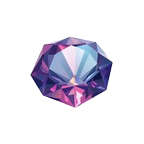
Exploring the Depths of Natural Zircon: Insights and Applications
Intro
Natural zircon, often mistaken for cubic zirconia, stands as one of the oldest gemstones recognized by humanity. Its beauty goes beyond mere aesthetics; it embodies a rich tapestry of geological history, cultural significance, and modern utility. To properly appreciate natural zircon’s unique allure, one must first understand its classification and properties, lending insight into its role both in ancient traditions and contemporary applications.
Gemstone Overview
Definition of Gemstones
Gemstones can be defined as naturally occurring minerals or rocks that are prized for their beauty and durability. Unlike mere crystals or minerals, gemstones are refined and enhanced through cutting, polishing, and shaping to showcase their colors and clarity. This meticulous craft transforms raw minerals into dazzling representations of nature’s artistry.
Classification of Gemstones
Gemstones are commonly classified into two main categories: precious and semi-precious. Precious gemstones—such as diamonds, sapphires, and rubies—are celebrated for their rarity and high market value. In contrast, semi-precious stones, which includes natural zircon, encompass a wider variety of minerals that, while still holding beauty and value, are more abundant.
- Precious Gemstones: Diamonds, Sapphires, Rubies, Emeralds
- Semi-Precious Gemstones: Zircon, Amethyst, Citrine, Garnet
Furthermore, gemstones can also be divided based on their chemical composition and crystal structure. For natural zircon, its unique properties stem from the zirconium silicate mineral group, which imparts both stability and a distinct optical facet to this beautiful stone.
Historical Significance
Origins of Gemstone Use
The earliest records of gemstone use date back thousands of years, with civilizations across the globe recognizing their exceptional nature. In ancient societies, gemstones were not merely ornamental; they held spiritual and healing properties. Natural zircon, in particular, was used not only in jewelry but also in religious artifacts and as a talisman believed to bring luck and comfort.
Cultural Insights: Gemstones in Ancient Civilizations
Throughout history, zircon has played varied roles. For example:
- In Ancient Egypt: It was used in jewelry, often embedded in tomb artifacts, reflecting the belief in the afterlife.
- In Ancient India: Zircon was associated with various planetary deities and used in astrological practices.
- In Southeast Asia: Additionally, it has been found in traditional artifacts, linking communities to nature, spirituality, and heritage.
The use of gemstones like zircon transcended mere adornment; they were symbols of power, belief, and tradition.
Understanding the deep connections between natural zircon and its historical significance aids our appreciation for this remarkable gem today. Modern applications of zircon also speak volumes about its ongoing relevance, bridging ancient practices with contemporary innovation. As we delve further into the physical properties and roles of this stunning gemstone, we uncover layers of meaning and importance that resonate with gem lovers, collectors, and industry professionals alike.
Prolusion to Natural Zircon
Natural zircon holds a prominent place among gemstones, not just for its beauty but also for its rich history and varied applications. Unlike synthetic alternatives, natural zircon embodies the Earth’s geological history, making it a valuable subject of study for geologists, gemologists, and collectors alike. Its diverse color palette, ranging from deep blues to warm oranges, adds to its allure, attracting both jewelry enthusiasts and those delving into the gemstone’s scientific significance.
The gemstone’s origins trace back billions of years, thus providing critical insights into the Earth's past. Zircon crystals can often be found embedded in ancient rocks, acting as geological time capsules. Understanding this aspect can deepen one’s appreciation for the gemstone, as it reveals the processes that shaped our planet over eons.
Zircon's importance extends beyond its aesthetic appeal. It serves as a key in various modern technologies, such as ceramics and electronics, thanks to its unique physical properties. By examining how zircon forms and the environments in which it is found, enthusiasts and professionals alike can gain a better grasp of the gemology field. Additionally, the economic value of natural zircon continues to hold relevance, as collectors and investors explore its potential within the market.
In light of its multifaceted nature, this section will articulate foundational insights into natural zircon, setting the stage for a deeper dive into its geological, historical, and practical dimensions. Each element discussed will contribute to a holistic understanding of why zircon deserves a spotlight in both scientific and aesthetic realms.
Zircon’s versatility is not just a talking point; it’s a reason to explore its various dimensions across different industries. The journey through this exploration will illuminate facts, uncover lesser-known information, and perhaps even inspire a passion for this ancient yet ever-relevant gemstone.
"Zircon is more than just a gemstone; it’s a piece of Earth’s history, quietly telling stories of ancient ages and technologies."
By investing the time to understand natural zircon, readers will find value not just in purchasing jewelry, but also in tapping into the intricacies that make this unique gem worthy of admiration and study.
Geological Formation of Zircon
Understanding the geological formation of zircon is crucial in appreciating its status as a significant gemstone. This mineral, often overshadowed by more popular stones, boasts unique benefits stemming from its formation. Knowing the geological processes helps not only in recognizing its origin but also in valuing its attributes and potential for various applications, particularly in the realms of jewelry and scientific analysis.
Zircon primarily forms from the crystallization of magma, through a process resulting in unique inclusions and a variety of colors. As this mineral cools and solidifies, it locks in elements from its environment, allowing geologists to date and identify the surrounding rocks. Zircon crystals exhibit exceptional durability, which is a key trait stemming from their geological origin. This durability has made zircon invaluable in the study of the Earth’s history, acting as a time capsule that provides insights into the conditions present billions of years ago.
Understanding Zircon's Crystal Structure
Zircon is classified as a nesosilicate and has a tetragonal crystal system, characterized by its distinct structure. Its silica (SiO2) framework is engineered in a way that creates a stable lattice, which can withstand significant pressure and temperature. This crystal structure is what gives zircon its impressive hardness, often reaching levels comparable to that of topaz.
From a scientific perspective, the zircon lattice can accommodate a variety of trace elements, making its crystal structure fascinating to mineralogists. When conditions are right, this structure allows different elements to replace others in the lattice, giving rise to various colorations and attributes—something that urges gemstone enthusiasts to explore these diverse attributes further.
Moreover, the presence of impurities can impart vibrant hues to zircon, ranging from the common brown and yellow to less common blue and green variations. This color variability is not merely aesthetic but can also hold clues about the mineral's formation conditions and elemental history.
Origins: Where is Natural Zircon Found?
Natural zircon is found in various locales around the globe, often surfacing in metamorphic and igneous rocks, as well as in sedimentary deposits. Major sources include Australia, which is celebrated for its high-quality gemstone-grade zircon. The deposits found in places like Western Australia’s Murray Basin are a prime example of productive zircon mining, revealing vast amounts of this mineral.
Other notable origins include:
- Sri Lanka: Known historically for its contribution to the gem trade, the island is rich in various gemstones, including zircon. Its locations provide both colored and colorless variants, all offering great transparency and brilliance.
- Cambodia: Famous mostly for its ever-increasing presence in the gem market, Cambodian zircon has gained popularity due to its stunning colors and clear aesthetics.
- Tanzania: In the African continent, Tanzania's mineral-rich lands yield significant quantities of zircon, both in gem form and industrial-grade.
As zircon forms in a multitude of geological settings, these origins contribute to the diverse characteristics of the stones. This geographical variance highlights an exciting point: that the features of zircon can tell a story, linking the gem directly to the Earth's history and the environments in which they were formed.
Physical Properties of Zircon
The study of zircon goes beyond its mere visual appeal; it's crucial to explore the physical properties of zircon because these attributes not only affect its appearance but also its usability and significance across various fields. Understanding the framework of zircon's properties provides insight into its performance as a gemstone, its durability in jewelry, and its application in industrial uses. The following sections will delve into key physical traits, concentrating on refractive index, hardness, and color varieties, each playing a significant role in the allure and practicality of this gemstone.
Refractive Index and Dispersion
One key characteristic that sets zircon apart is its high refractive index, ranging between 1.92 and 1.98. This figure illustrates how much light bends as it enters the stone, affecting how much brilliance and fire it exhibits. It stands to reason that a greater refractive index allows for a greater sparkle, which makes zircon an attractive alternative to other gems such as diamonds.
Furthermore, zircon's dispersion, or its ability to separate light into various colors, rivals that of diamond. With a dispersion value of approximately 0.039, zircon is capable of producing a colorful display that can enchant observers. The interplay of these properties results in stunning visual effects that are highly prized in the jewelry industry. When intricately cut, zircon can reflect a dazzling array of colors, catching the eye and leaving a lasting impression.
"Zircon's brilliance and fire make it a compelling choice in both fine jewelry and industrial applications, proving that beauty can be functional."
Hardness and Durability
When considering gemstones, hardness is often a major concern, especially for jewelry intended for regular wear. Zircon scores around 6 to 7.5 on the Mohs scale of mineral hardness, a scale that ranks minerals based on their ability to scratch one another. This range positions zircon as relatively hard and, consequently, durable enough to withstand daily anguish when set skillfully in jewelry.
However, its resilience comes with caveats. While hard enough to resist scratching, zircon does have some brittleness, which means it can chip or break under extreme pressure or impact. This is an important consideration for gem collectors and designers who need to balance the aesthetics with the practicalities of durability. Proper care and setting techniques can enhance the longevity of zircon jewels, ensuring that their beauty remains uncompromised over time.
Color Varieties: Understanding Zircon Hue
Zircon is a chameleon of the gemstone world, exhibiting a stunning range of colors, including blues, greens, yellows, and reds. While the blue variety of zircon is particularly popular in jewelry, it’s interesting to note that this hue often comes from heat treatment processes that enhance the natural colors.
Natural zircon can also present in stunning hues like brown or colorless; the latter being a useful alternative for those seeking a diamond-like appearance without the heftier price tag. Each color has its unique properties and aesthetic appeal, showing that zircon is not a one-size-fits-all gemstone.
Through the use of processes such as irradiation and heat treatment, jewelers can achieve vivid, eye-catching colors that appeal to a diverse clientele. These variations offer versatility, making zircon an excellent choice for a range of jewelry designs, catering to personal tastes and market demands.
Zircon in Historical Context
Natural zircon has been part of humanity's story long before gemologists classified it as a unique mineral. Understanding its historical context allows us to appreciate not just the gemstone itself but its role in ancient cultures and practices. This section delves into how zircon, a mineral that has been around for millions of years, was valued for more than just its beauty; it was regarded as a symbol of protection and prosperity, wielding tremendous significance across various societies.
Ancient Uses of Zircon
Zircon was utilized by ancient civilizations in a multitude of ways. In many cultures, its brilliance and fire made it a suitable candidate for decorative use. Ancient Egyptians, for example, used zircon in their jewelry, favoring its vibrant hues to adorn tombs and sarcophagi. Its durability ensured that these pieces stood the test of time, continuing to spark interest in modern-day archaeologists and gem enthusiasts alike.
Moreover, zircon played a role in various ancient rituals and beliefs. Some cultures believed that wearing zircon could protect against evil spirits, granting the wearer safety. This view was largely shaped by its shimmering appearance, reflecting light in a way that was thought to ward off negativity. These ancient practices laid the foundation for zircon's metaphysical associations that remain in some circles today.
"Zircon has been celebrated throughout history not just as a gemstone but as a talisman, rooted deeply in culture and tradition."
Cultural Significance Across Civilizations
Across different civilizations, the significance of zircon varied. In Hinduism, it is known as 'Zircon sapphire' and is sometimes believed to enhance one's mental capabilities. This belief is tied to the gemstone's connection to clarity and wisdom, reminiscent of how the ancients valued the stone for its stunning clarity. In Middle Eastern cultures, zircon was linked to the heavens, associated with blessings and divine favor.
- Asian Cultures: In several Asian countries, zircon was often set in ornate ceremonial pieces, believed to bring good fortune.
- European Traditions: As Europe entered the Renaissance, zircon re-emerged in popularity, symbolizing purity and tranquility—ideals that were appreciated by jewelers and patrons alike.
Zircon's utility in symbolism and embellishment speaks volumes about how societies have valued gems beyond mere aesthetics. As we analyze its historical context, it becomes clear that zircon was not just an accessory, but a piece of humanity's heritage, intertwining with myths and dreams, telling the tale of the ages.
Zircon in Modern Gemology
Natural zircon holds a significant place in the realm of gemology today, bridging the gap between historical conflict and modern elegance. Not only is zircon recognized for its brilliance and varied hues, but it also brings unique attributes to the table that can satisfy many gem enthusiasts and collectors. Understanding zircon's modern relevance can help underscore its virtues, making it a subject of interest for both seasoned jewelers and casual collectors alike.
Identification and Treatment of Zircon
Identifying zircon can be a nuanced task, especially given its wide variety of colors, ranging from rich blues and greens to soft yellows and browns. One crucial aspect of identification is its hardness, ranking between 6 to 7.5 on the Mohs scale, though it exhibits remarkable durability. Moreover, the double refraction of zircon sets it apart from many substitutes, like cubic zirconia, which is singly refractive.
When it comes to treatment, most natural zircon undergoes processes to enhance its color or clarity. Heat treatment is most common, particularly for achieving vibrant blues. It's essential for consumers to know whether a gemstone has been treated, as this can impact its value. Many reputable dealers openly disclose treatments, thereby fostering transparency whilst ensuring that buyers can make informed choices. It's prudent to ask for gemological certificates or reports from recognized laboratories to confirm the legitimacy of treatments.
Market Trends in Zircon Jewelry
The blues of zircon might not only catch the eye, but they can also sway market trends. Over the years, as tastes in jewelry evolve, so has the place of zircon within the industry. Once overshadowed by other gemstones, zircon is now making a notable comeback, largely due to a rising trend towards ethical sourcing and eco-friendly alternatives. Millennials and Gen Z consumers are becoming increasingly aware of the environmental and ethical implications of their purchases, which has shifted focus onto natural stones like zircon.
Recent data suggests a gradual increase in the demand for zircon in various jewelry formats—from engagement rings to simple pendants. With prices remaining relatively affordable compared to other gemstones, many new buyers view zircon as an attractive and valuable investment. However, it's also worth noting that the market is sensitive to availability—when mines are successful, prices can dip as supply increases, while resource scarcity can catapult prices.
"In this ever-changing jewelry landscape, zircon proves that it’s not merely a pretty face but a gemstone with layers of depth."
As the industry continues to shift its gaze towards unique and transparent sourcing, zircon is likely to play an essential role in defining the next era of jewelry design. With its rich historical background and array of colors, it offers something special, resonating well with the ethical ethos of current consumers.
Zircon might just be the underdog of the gem world, but in modern gemology, it is becoming increasingly hard to overlook, suggesting a promising future for this remarkable stone.
Economic Aspects of Natural Zircon
Natural zircon plays a significant role not only within the sphere of gemstones but also in the economic landscape surrounding mining, jewelry, and investments. Understanding the economic aspects of this mineral can help enthusiasts, collectors, and investors appreciate its intrinsic value and potential in various markets.
Zircon Mining Industry
The zircon mining industry is a crucial segment of the global minerals market. It involves the extraction of zircon from heavy mineral sands, which are typically found in coastal and inland regions. Key players in the industry concentrate on locations with significant deposits, including Australia, South Africa, and parts of Southeast Asia.
Mining operations focus on the environmental impact, sometimes causing friction among local communities and regulators. Thus, companies often explore advanced, sustainable techniques to minimize ecological disruption. Some notable methodologies include:
- Responsible Resource Management: Companies are adopting practices that lessen the environmental footprint of mining, often utilizing modern technologies for effective resource extraction.
- Community Engagement: Establishing partnerships with local communities to ensure that the benefits of mining extend beyond profits, fostering social responsibility among stakeholders.
In addition to its economic contributions, the zircon mining industry supports numerous jobs in developing regions, providing both direct employment and ancillary economic stimulation in surrounding areas.
Investment Potential of Zircon
With the growing interest in natural gemstones, the investment potential of zircon is attracting attention. The market shows promise as a collectible asset, and the demand for natural gemstones continues to rise. Here are several factors that contribute to zircon's investment appeal:
- Scarcity: Unlike diamonds or rubies, natural zircon is relatively rare in high-quality forms, which bodes well for its value in the long term.
- Versatility: Zircon can be utilized in various applications, from jewelry design to industrial uses, diversifying its market appeal.
- Market Trends: The global interest in ethically sourced and sustainable gemstones is pushing up the desire for natural zircon, catering to consumers who prioritize responsible purchasing.
Zircon's performance as an investment can be marked by fluctuations in market conditions. It is important for potential investors to keep a watchful eye on trends, market reports, and demand dynamics. Engaging with reputable gemologists and attending gem fairs might provide valuable insights into investment strategies.
"Zircon brings not just beauty but serves as a potential asset for the prudent investor looking for alternatives in the gemstone market."
Environmental Considerations in Zircon Mining
The mining of zircon, while beneficial for its applied uses in various industries, also raises significant environmental concerns that cannot be overlooked. With the increasing demand for zircon, the responsibility to mitigate ecological impacts has become paramount. Understanding these considerations ensures that both the alluring qualities of this gemstone and the health of our ecosystems can be preserved.
Sustainable Mining Practices
In the quest to extract zircon, sustainable mining practices arise as a guiding principle. These practices focus on extracting minerals with minimal environmental degradation. Key elements of sustainable mining include:
- Rehabilitation of Mining Sites: After the extraction process, companies must rehabilitate land to restore its natural state. This often involves planting native vegetation and ensuring the soil's integrity is maintained.
- Water Management: Efficient water usage and minimizing water pollution is crucial. Practices could involve recycling water in the extraction process and ensuring that wastewater doesn't contaminate local water sources.
- Community Engagement: Involving local communities in decision-making can lead to more sustainable practices. Residents often have valuable insights regarding their local ecosystems and cultural significance that can guide responsible mining.
Implementing these practices can not only limit environmental damage but also support communities economically and socially, creating a win-win scenario when done correctly.
Impact of Zircon Mining on Local Ecosystems
The impact of zircon mining on local ecosystems can be profound, with both immediate and long-term consequences. Some significant factors to consider include:
- Habitat Destruction: Extraction activities can lead to loss of biodiversity as habitats are cleared. This not only affects the flora but can also disrupt local fauna that depend on these ecosystems for survival.
- Soil Erosion: Mining operations can cause soil erosion, which increases sedimentation in nearby water bodies. This sedimentation can harm aquatic life and disrupt local fishing communities.
- Chemical Pollution: The mining process may introduce harmful chemicals into the environment. Proper disposal and management of any toxic byproducts are essential to keeping ecosystems intact.
"To strike a balance between harvesting zircon and preserving our environment, it is vital to adopt practices that recognize the interconnection between mining operations and natural habitats."

In summary, addressing these environmental considerations in zircon mining is not just about compliance; it is about fostering a harmonious relationship between mineral extraction and ecological preservation. It is an ethical commitment that stakeholders across the mining spectrum must embrace.
Metaphysical Properties of Zircon
In the esoteric realm, the metaphysical characteristics of natural zircon are often discussed but seldom fully understood. The importance of these properties lies not just in their mystical associations, but in how they resonate with various aspects of personal and spiritual development. This section explores the depths of zircon's metaphysical significance, particularly its alleged benefits and the considerations that accompany its use in spiritual practices.
Zircon and Chakra Alignment
When discussing gemstones and their energetic qualities, chakra alignment takes center stage. Zircon is purported to interact with multiple chakras, harmonizing the body’s energy centers. Each color of zircon is thought to correlate with specific chakras, offering a unique vibrational quality. For instance,
- Colorless zircon is believed to resonate with the crown chakra, enhancing one’s connection to universal energy.
- Yellow zircon is commonly associated with the solar plexus chakra, promoting confidence and personal power.
- Blue zircon might be linked with the throat chakra, facilitating clear communication.
These alignments suggest that wearing or meditating with zircon can help individuals activate and balance their chakras, albeit this should be approached with personal intuition. A common practice involves holding the desired zircon stone while focusing on the chakra one wishes to align. This interaction may lead to heightened awareness of one's internal energy flows and dynamics.
"The energies carried by zircon stones can be transformative, acting like mirrors reflecting your inner landscape."
Historical Beliefs in Healing Properties
Historically, natural zircon has been lauded for its alleged healing properties, its lore woven into the tapestries of many civilizations. Ancient cultures regarded zircon as a talisman, imbuing it with powers to cure ailments and promote overall well-being. The Greeks believed that wearing such gemstones could ward off evil and ailments, while Asian cultures often linked them to wisdom and protection during endeavors.
Some less documented beliefs also suggest that zircon aids in:
- Reducing stress and anxiety levels, prompting a calm state of mind.
- Enhancing fertility and nurturing relationships, crucial in many traditional practices.
- Improving memory and stimulating mental clarity, which resonates with students and those in intellectual pursuits.
Modern practitioners may still embrace these ideologies, combining crystal healing techniques with traditional therapies. This blend exemplifies how ancient wisdom can find relevance in contemporary society, enriching lives through spiritual and emotional support. However, it’s essential to remember that while many find solace in such practices, scientific evidence supporting these claims may be limited. Hence, it is wise to approach with an open mind yet a discerning perspective.
Caring for Natural Zircon
Taking care of natural zircon is crucial for preserving its beauty and integrity over time. Whether it's a shimmering ring or an intricately crafted pendant, the longevity of these priceless gems hinges on how they are treated and maintained. Due to its various physical traits, zircon requires specific care to ensure it remains as radiant as the day it was acquired. Proper cleaning and storage not only enhance its visual appeal but also contribute to its market value, particularly for collectors and jewelers who appreciate the nuances of gemstones.
Cleaning and Maintenance Tips
Cleaning natural zircon involves some careful steps to ensure that the stone does not get damaged. Here are some practical tips for maintaining the brilliance of this gemstone:
- Use gentle cleaning solutions: A mix of warm water and mild dish soap is often sufficient. Avoid harsh chemicals or aggressive cleaning solutions that can dull or scratch the surface.
- Soft cloth for drying: After washing, use a soft, lint-free cloth to dry the zircon. This prevents water spots and allows the gemstone to maintain its shine.
- Avoid ultrasonic cleaners: While these devices are handy for some gemstones, they can be risky for zircon. The vibrations can loosen or damage the stone or its settings.
- Regular inspections: Periodically inspect your zircon jewelry for any signs of wear, particularly around the settings. This can help preserve stones and prevent the loss of a cherished piece.
When it comes to cleaning, remember that zircon is relatively durable but it's still wise to approach with caution.
Storage Recommendations
Proper storage is equally important in caring for natural zircon. Here are some strategies to ensure that your gemstones do not suffer unnecessary damage:
- Use individual pouches or boxes: Keeping each piece of zircon separate helps prevent scratches or chips. Consider using soft fabric pouches or padded boxes designed for jewelry.
- Avoid direct sunlight: Store zircon in a cool, dark place to avoid fading or color change. Excess sunlight can affect the hues, especially for lighter colored zircons.
- Climate control: Keep your zircon in a climate-controlled environment, as extreme temperatures could affect its structure. Hot, humid conditions can be particularly harmful.
- Away from other gems: Whenever possible, keep zircon stored away from other stones or hard materials. This helps prevent scratches and maintains their clarity.
In summary, taking careful steps to clean and store natural zircon is essential in preserving its elegance and value. Adhering to these practices not only safeguards the gemstone but also enhances its presence in jewelry or collections, making it an enduring treasure for enthusiasts and collectors alike.
Future of Natural Zircon in Gemology
The future of natural zircon holds immense potential, intertwining its geological beauty with the evolving preferences of collectors and gem enthusiasts. As the world pushes for sustainable practices and ecological awareness, the importance of zircon cannot be undervalued. Adapting to market trends and harnessing modern technology will shape how this gemstone is perceived and utilized.
Emerging Applications of Zircon
Zircon is stepping beyond its traditional roles in jewelry and decor. For instance, the gemstone's heat resistance and durability are increasingly catching the eye of the electronics industry. Manufacturers are experimenting with zircon in creating high-performance components, whether it's in electronics or even ceramics used for dental applications. The good news? Characteristic properties of zircon, such as low thermal expansion and high refractive index, are adding an interesting twist to its applications.
Some emerging uses include:
- Construction materials: With its resilience, zircon can be incorporated into building materials to enhance strength.
- Medical fields: Zircon's non-toxic nature leads to potential use in implants and other medical devices.
- Optics and photonics: Advancements in technology have opened avenues for using zircon in optical coatings and lenses.
In essence, the versatility of natural zircon could redefine its role in various industries, particularly as researchers and innovators keep finding novel applications.
Predictions for Zircon Market Trends
Looking ahead, the market for natural zircon appears promising, yet presents its share of challenges. The key is understanding the balance between supply, demand, and the elements of sustainability. Industry analysts have spotted certain trends that indicate where the zircon market is likely headed:
- Increasing demand for ethical sourcing: Consumers are becoming more conscious of where their gems come from, leading to a rise in the importance of mined zircon that adheres to ethical standards.
- Innovative treatments and enhancements: New methods are evolving to improve the coloration and clarity of zircon, appealing to a wider audience in the gemstone market, particularly among jewelry designers seeking unique options for their creations.
- Investment as a collectible: Investors are beginning to see zircon as more than just a gem; its value may appreciate over time, akin to other precious stones in the market.
"The gem market is continually shifting. Those who adapt to the trends will undoubtedly emerge ahead, therein lies the future of zircon."
The future landscape of natural zircon is bound to be shaped by these emerging trends and applications, alongside the cherished traditions in gemstone artistry. Whether it's through innovative technology or consumer preferences, understanding these dynamics paves the way for more informed decisions and investments related to zircon.