In-Depth Analysis of Santa Maria Aquamarine Gemstone


Intro
The allure of gemstones has captivated humankind for centuries. Among these precious stones, the Santa Maria aquamarine stands out, renowned for its striking and vibrant blue hue. Often found in the depths of oceanic regions, this specific variety of aquamarine is steeped in history, cultural significance, and an air of mystery. But what exactly makes the Santa Maria aquamarine a subject of fascination not just for collectors, but for jewelers and enthusiasts alike? In this exploration, we dive into the depths of what defines this remarkable gem, its journey from geological formation to contemporary use, and everything in between.
Gemstone Overview
Definition of Gemstones
Before delving deep into the intricacies of the Santa Maria aquamarine, it’s essential to understand what a gemstone is. A gemstone, at its core, is any mineral or organic material that is cut and polished for aesthetic and decorative purposes. While many gemstones derive their value from rarity, beauty, and durability, the Santa Maria aquamarine is unique due to its exceptional color and clarity.
Classification of Gemstones
Gemstones can be broadly classified into two categories: precious and semi-precious. Although all gems have their own unique charm, precious gemstones such as diamonds, sapphires, and emeralds often command higher prices due to their perceived rarity and desirability.
- Precious Gemstones: Diamonds, Rubies, Sapphires, Emeralds.
- Semi-Precious Gemstones: Amethyst, Garnet, Peridot, and yes, Aquamarine.
Aquamarine belongs to the beryl family, sharing its roots with more prominent counterparts like emeralds. However, the Santa Maria variety is set apart, particularly due to its deep blue color which resembles the vast ocean depths.
Historical Significance
Origins of Gemstone Use
The history of gemstones stretches back to ancient civilizations, where they were often thought to possess mystical or healing properties. In the case of aquamarine, legends suggest that sailors carried it on their voyages, believing it was a gift from the mermaids, ensuring safety and calm seas. This historical context adds layers of depth to the appreciation of the Santa Maria aquamarine.
Cultural Insights: Gemstones in Ancient Civilizations
In ancient Egypt, gemstones were symbolically linked to the divine. The Pharaohs wore elaborate jewelry adorned with various gems as they believed these stones contained protective energies. Similarly, aquamarine has been found in artifacts and jewelry from Roman to Byzantine times, showcasing its long-standing prominence in cultural contexts.
“Gemstones embody the essence of nature’s artistry, but their stories reflect our own humanity.”
People from various cultures interpreted gemstones in diverse ways, often intertwining their stories with the myths and values of their times. The Santa Maria aquamarine, with its ethereal beauty and significant historical footprint, serves as a vessel for these age-old tales.
As we continue to uncover the various facets of the Santa Maria aquamarine, from its geological roots to its place in modern design, we gain a deeper understanding of not only the stone itself but also its connections to humanity throughout the ages.
For more information on gemstones and their history, consider visiting resources such as Britannica or Wikipedia.
Prolusion to Santa Maria Aquamarine
The Santa Maria aquamarine holds a unique place in the world of gemstones, captivating both enthusiasts and collectors alike. Its deep, vivid blue color sets it apart from other varieties of aquamarine, making it a sought-after choice in jewelry design and collections. Understanding the significance of this particular gemstone goes beyond mere aesthetics; it opens a window into cultural, geological, and historical dimensions that enrich the experience of ownership and appreciation.
The importance of discussing Santa Maria aquamarine in this article lies in its exceptional qualities and the stories they tell. When one encounters this gemstone, it is not just about adorning oneself with a beautiful stone. It embodies the essence of the ocean, the historical craftsmanship of jewelry-making, and even the spiritual beliefs associated with its use. Each facet has significance; every color variation tells a story.
In approaching the Santa Maria aquamarine, we consider various facets, such as its geological formation, mining locations, and cultural significance. These elements contribute to a comprehensive understanding, providing insight into how to appreciate and assess this gemstone's value and impact. Examining its roots enriches the practical aspects of buying and collecting, allowing enthusiasts to make informed decisions when it comes to investment in these exquisite stones.
In essence, this article serves as a guide to uncovering the layers of beauty and depth embedded in the Santa Maria aquamarine. Understanding its characteristics and historical context empowers potential buyers and intrigued readers alike to better appreciate this stunning gem.
Definition and Characteristics
The Santa Maria aquamarine is distinguished primarily by its intense blue hue, which can range from a soft, light blue to a deeper, almost teal shade. The color is a result of trace amounts of iron within its crystalline structure. This unique coloration makes it an object of desire among gem collectors. Unlike typical aquamarine, which may present a more watery appearance, the Santa Maria aquamarine radiates a certain depth and warmth that is often described as mesmerizing.
Aside from its coloration, the stone's clarity and transparency are also defining characteristics. Ideal specimens are crystalline and clear, showcasing light that dances within the gem. Typically, it rates quite well on the Mohs hardness scale, landing at about 7.5 to 8, which contributes to its suitability for various jewelry applications without compromising durability.
"The Santa Maria aquamarine isn't just a gemstone; it's a narrative carved in stone, revealing tales of its origin and geologic journey."
Origin of the Name
The name "Santa Maria aquamarine" pays homage to its place of discovery, specifically the Santa Maria de Itabira region in Brazil. This locale is often credited as the birthplace of the most vibrant examples of this gemstone. The designation "Santa Maria" reflects the historical roots and the geographical identity of this highly valued aquamarine variant.
As mining activities began to flourish in this region, gemstone connoisseurs quickly recognized the exceptional quality of the stones produced there. The name evolved to symbolize not just geographical origin but also a standard of quality that enthusiasts expect when they seek Santa Maria aquamarine over other forms.
Understanding the roots of the name adds another layer to the appreciation of the Santa Maria aquamarine; it is more than just a beautiful stone—it is a reflection of its cultural heritage and geological backstory. This connection to its origins further enhances its value, as collectors often seek stones that have a rich history intertwined with their beauty.
Geological Formation
The geological formation of the Santa Maria Aquamarine is more than just a backdrop for its existence; it’s a fascinating interplay of natural elements and time that gives this gemstone its unique attributes. Understanding this aspect enhances not only appreciation but also provides insight into the conditions that crafted its stunning blue hue. The formation of aquamarine, particularly from the Santa Maria location, is a curation of geological history that factors into both its rarity and value.
Mineral Composition
To truly understand the Santa Maria Aquamarine, one must first examine its mineral composition, which primarily revolves around the beryl family. Beryl itself is composed mainly of beryllium, aluminum, and silicon dioxide, mixed with trace elements that specifically influence color. In the case of Santa Maria aquamarine, it’s the presence of iron that is pivotal in developing its striking blue tones.
The ideal balance of these minerals yields a vibrant hue, typically ranging from a pale sky blue to a deeper, sea-like color. Aspects such as clarity and trace impurities contribute subtly to variations within this spectrum.
"The color can shift with differing amounts of iron, producing a memorable shade that has captivated gem lovers for generations."


Additionally, Santa Maria aquamarines are generally characterized by excellent clarity, making them particularly desirable for collectors and jewelers alike. They often exhibit minimal inclusions, which contributes significantly to their allure and value.
Formation Process
The formation process of Santa Maria Aquamarine is a story etched in millions of years. These gemstones are formed under particular geological settings where specific conditions prevail. They typically emerge from pegmatites, which are coarse-grained igneous rocks formed during the cooling of molten material deep within the Earth's crust.
The unique conditions under which the Santa Maria aquamarine is formed include:
- Temperature: High temperatures enable the crystallization of beryl with a distinctive blue color.
- Pressure: Significant geological pressures from surrounding rock assist in the growth of these crystals.
- Time: It takes vast spans of time — sometimes millions of years — for these minerals to develop fully into the gemstones we know today.
During the formation, the cooling and crystallizing process can lead to various gem notable characteristics. Importantly, the geological upheavals that shaped the Brazilian landscape also created unique pockets where aquamarine could develop, resulting in the aesthetic and quality characteristics that have become synonymous with Santa Maria stones.
Understanding the geological formation of Santa Maria aquamarine not only enriches our perspective about the gem itself but also highlights the intricate connections between element interactions over vast time scales and the exquisite beauty of gemstones we cherish.
Mining Locations
The significance of mining locations in the context of Santa Maria Aquamarine cannot be overstated. These sites are not just mere points on a map; they are the lifeblood of this stunning gemstone, influencing its quality, availability, and value in the gemstones market. Understanding where these gems are sourced provides valuable insight into their characteristics and the stories that come with them. The locations also play a key role in shaping the economic aspects surrounding the trade of aquamarines, making it essential for both enthusiasts and collectors to be aware of these regions.
Primary Sources in Brazil
Brazil holds the mantle for being the primary source of Santa Maria Aquamarine. The state of Bahia, in particular, has gained prominence due to its unique geological conditions that favor the formation of high-quality aquamarine.
- The mines located in Governador Valadares and the surrounding areas yield gems with a vivid blue color that is often enriched by slight traces of iron. This element is crucial as it intensifies the stone's visual appeal.
- The mining process in these regions is often a family-run affair, steeped in tradition. Miners utilize artisanal techniques that honor the land and preserve its ecological integrity, while still delivering a product that is sought after worldwide.
Though difficult to unearth, the gems that do come from these mines are often stunningly high quality. Collectors will pay a premium for pieces that display the deep blue hue characteristic of Santa Maria Aquamarine, taking pride in owning something that is not just a gem, but a piece of nature shaped by time and effort.
Moreover, while exploring these areas, one can appreciate the vibrant culture of Bahia, influential in shaping everything from traditions to local cuisine. The mining locations serve as hubs, intertwining the gemstone trade with social fabric and economic development of the region. This connection provides another layer of value to the gems.
Other Notable Mining Sites
While Brazil remains the frontrunner, there are other noteworthy locations where Santa Maria Aquamarine can be found, contributing to a broader understanding of its presence worldwide.
- Nigeria has emerged as a new player in recent years. Nigerian aquamarines are noted for their clarity, but the cooler tones differ from the rich blues of Brazil. This variability makes it an interesting market for collectors who desire diverse collections.
- In Madagascar, deposits have been discovered, although these gems are lesser-known in comparison to their Brazilian counterparts. The aquamarines from this location generally exhibit a lighter blue hue, appealing to those who prefer subtler tones.
- Other countries in Africa, like Zambia and Tanzania, are also recognized for occasional finds of aquamarine. The quality here may vary, but the intrigue of an aquamarine with origins from such diverse geological landscapes adds a unique aspect to the gem.
"Mining locations inform the quality and market value of Santa Maria Aquamarine while encapsulating tales of culture, tradition, and evolution."
Historical Context
Understanding the historical context surrounding the Santa Maria aquamarine reveals layers of significance that amplify its intrinsic beauty. Throughout the centuries, this stunning gem has been steeped in rich lore and cultural importance, making it more than just a precious stone; it’s a symbol of beliefs and traditions. Each nuance in its history contributes to its allure, thereby increasing its desirability among enthusiasts, collectors, and jewelry designers alike.
Symbolism in Ancient Cultures
Ancient civilizations often attributed profound meanings to gemstones, with aquamarine being no exception. The name ‘aquamarine’ literally translates to ‘water of the sea,’ reflecting its soothing blue hues reminiscent of tranquil waters. In Roman culture, aquamarine was believed to protect sailors, providing them with safe passage over the waves. This belief was rooted in the stone’s alleged connection to Neptune, the god of the sea. Roman mariners would carry aquamarine talismans during their voyages, convinced of the gemstone's power to enhance courage and assurance on the treacherous seas.
Similarly, in ancient Chinese culture, aquamarine was associated with good fortune and prosperity. It was often gifted during significant events, as it was thought that the stone could channel positive energies and ward off misfortune. Such customs demonstrate the gemstone’s place not only in material wealth but also in spiritual belief systems.
"The beauty of aquamarine transcends its aesthetic appeal; it's a bridge between the material and the spiritual worlds."
Further embedded in history, aquamarine has ties to the legendary stories of mermaids, believed to embody the spirits of the ocean. This connection often led people to associate the stone with love and harmony, making it a popular gift between lovers. The allure goes beyond appearances; it taps into broader narratives of relationships, adventure, and spirituality.
Evolution of Popularity
Over the years, the popularity of the Santa Maria aquamarine has experienced significant fluctuations influenced by several factors. Initially revered in ancient times, the gemstone saw a resurgence during the Art Deco period of the early 20th century, when its crisp blue color captured the imagination of artists like Cartier and Van Cleef & Arpels. This period emphasized geometric designs that showcased the aquamarine’s vibrant hues, solidifying its status in high-end jewelry.
As time marched on, the mid-20th century brought renewed interest fueled by Hollywood glamour. Stars began sporting aquamarine pieces on the silver screen, further igniting public fascination. Its association with elegance and sophistication made it a coveted choice for bridal and engagement rings, particularly from the 1960s to the 1980s.
In recent years, there has been a strong trend towards sustainable and ethically sourced gemstones, which has played to the Santa Maria aquamarine’s strengths. As consumers increasingly favor responsibly sourced materials, the demand for aquamarine has grown. Today’s buyers are often educated about the origin and mining practices of gemstones, making the Santa Maria aquamarine—a stone steeped in historical significance—an attractive option.
In summary, the historical context of the Santa Maria aquamarine is not merely a timeline of popularity; it encompasses a tapestry of cultural significance that resonates with many. Understanding these narratives enriches our appreciation of this multifaceted gemstone and gives collectors and enthusiasts a deeper connection to its history.
Cultural Significance
The Santa Maria Aquamarine holds more than just bewitching beauty; it plays a pivotal role in various cultural contexts and practices. It's a stone that whispers stories of the past while bounding forward with modern flair. Its deep blue hue resonates with both the ocean's depths and the sky’s expanse, bridging the natural world with human creativity. This section navigates the significance of this gemstone in jewelry and its reflections in art and literature, underscoring both its historical resonance and ongoing relevance in contemporary culture.
Use in Jewelry
When it comes to jewelry, the Santa Maria Aquamarine is nothing short of a showstopper, often sought after for its stunning vibrancy and clarity. Jewelers favor this brilliant gem for several reasons:
- Color: The rich blue, akin to clear ocean waters, adds an unmatched vibrancy to any piece. This feature often symbolizes tranquility and peace, making pieces adorned with this gemstone ideal for those seeking harmony in their lives.
- Durability: Ranked 7.5 to 8 on the Mohs scale, this gemstone is robust enough for everyday wear. Its resilience appeals particularly to those who appreciate fine jewelry that can withstand the test of time.
- Versatility: Whether it’s a simple pendant, statement ring, or elegant bracelets, the Santa Maria Aquamarine easily complements various styles and settings, from vintage to modern chic. Jewelry designers are increasingly integrating this gemstone into diverse collections, ensuring that its beauty is accessible to many.
The appeal extends beyond mere aesthetics. Gifted on special occasions or worn for significant life events, it embodies meanings of commitment, loyalty, and peace, making it a heartfelt choice for engagements and weddings. Aquamarine, as a gift, carries a wish for the recipient's future happiness, confirming its enduring place in the jewelry realm.
Representation in Art and Literature
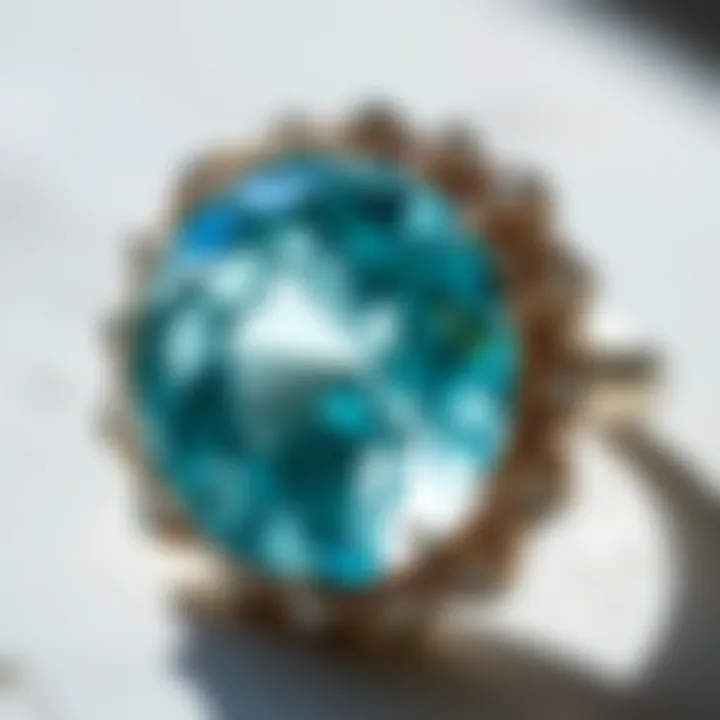
The Santa Maria Aquamarine has also carved a notable path in the realms of art and literature. Its deep blue color often depicts themes of calmness and clarity in various artistic expressions:
- Art: Artists have long appreciated this gemstone's versatility as a muse. From vibrant paintings that capture its hue to sculptures that use aquamarine as a focal point, the stone inspires creativity. Its brilliance mirrors the brilliance of ideas that flow from the artist’s mind, showcasing how a single color can evoke emotions of serenity or tumult.
- Literature: Various texts, from ancient manuscripts to modern novels, reference the aquamarine. It often symbolizes emotional balance and courage, serving as a metaphor for navigating life's choppy waters. In many stories, it’s a talisman that offers protection and wisdom to characters, symbolizing the duality of beauty and strength.
Such representations further cement the gemstone's cultural significance, transcending mere physical attributes to become intertwined with human experience and expression. As a result, the Santa Maria Aquamarine stands as more than a precious gem; it weaves its way into the fabric of our stories, emotions, and creations.
Metaphysical Properties
The field of metaphysics often draws enthusiasts, particularly those who have a penchant for gemstones, into the ethereal realm of energy and symbolism. The Santa Maria Aquamarine, with its stunning blue hues, is not only a treat for the eyes but also boasts a rich tapestry of metaphysical properties that many believe can enhance well-being, clarity, and spiritual connections.
Beliefs and Legends
Throughout history, aquamarine has been intertwined with various beliefs and legends, reflecting its importance in different cultures. Sailors once regarded this gem as a protective talisman, one that would ensure safe passage over the vast seas. It is said that Poseidon, the Greek god of the sea, cherished aquamarine as it echoed the hues of the deep ocean. In modern spirituality, this gemstone is often associated with the throat chakra, promoting clear communication and self-expression.
The legends surrounding this gemstone are often romanticized; one such tale includes its intended use as a guardian for travelers during their journeys. People believed that carrying an aquamarine would ward off perils and grant the wearer peace. Its blue color is seen not only as a connection to water but symbolically linked to tranquility and stability, reinforcing the idea that this stone can soothe anxious minds.
Influence on Emotions
Shifting focus to the emotional impact, many advocates of gemstone therapy emphasize how the Santa Maria Aquamarine can be of significant benefit for those seeking emotional balance. The stone is believed to help alleviate stress and anxiety, much needed in today's fast-paced world.
It’s not just about myths; individuals often report feeling a profound sense of calm when in possession of an aquamarine, as if it encourages a flood of positive energy. The color blue reportedly instills a sense of serenity and enhances one’s ability to maintain emotional poise during challenges. This effect is sometimes likened to the soothing waves of a calm sea, gently washing over one's worries.
A few benefits associated with the Santa Maria Aquamarine include:
- Encouragement of compassion: It helps to soothe negative feelings and encourages understanding and tolerance towards oneself and others.
- Greater clarity of thought: By promoting mental clarity, this gemstone is believed to facilitate better decision-making.
- Emotional healing: Many believe that it helps to release old emotional injuries, fostering resilience and a renewed sense of purpose.
Quality Assessment Criteria
The Santa Maria Aquamarine is more than just a stunning piece to adorn any collection; its quality plays a crucial role in determining its value and desirability. When you’re diving into this gem, understanding the various aspects of quality assessment is paramount. Not only does it help prospective buyers make informed choices, but it also highlights the unique qualities that set these gems apart from others in the aquamarine family.
In this section, we’ll break down the core components of quality assessment, focusing particularly on color, clarity, cut, and carat weight—all essential factors that contribute to the overall valuation of Santa Maria Aquamarine.
Color and Clarity
When it comes to Santa Maria Aquamarine, color is king. This gemstone is renowned for its deep, rich blue hues, often compared to the clear skies of a tranquil afternoon. However, not all blue is created equal; the most desirable Santa Maria specimens exhibit an intense color that can vary slightly in shade.
In terms of clarity, the best stones have very few inclusions, which can detract from their beauty. The clearer the stone, the more light interacts with it, producing that quintessential aquamarine sparkle. Collectors often go after stones that are eye-clean, meaning they’re free from visible inclusions when viewed without a magnifying lens. This combination of rich color and high clarity significantly boosts the stone's appeal and market price.
"The clarity and color of Santa Maria Aquamarine are akin to painting an exquisite canvas where every brushstroke matters."
In assessing color, consider these factors:
- Hue: Ideally, a deep blue hue with slight greenish undertones is preferred.
- Tone: Optimal stones have a medium to dark tone, avoiding overly light shades, which can appear washed out.
- Saturation: A vibrant saturation gives depth and character, contributing to a gem's allure.
Cut and Carat Weight
The cut of a gem directly influences how light reflects and refracts, showcasing the stone's beauty. For Santa Maria Aquamarine, cuts that maximize brilliance are especially valued. Common cuts include oval, cushion, and emerald, each bringing out different facets of the stone’s color and clarity.
Carat weight helps determine size and, subsequently, value. Larger stones tend to carry a premium—however, quality often trumps size. A smaller stone with superior color and clarity can be more sought after than a larger, less vibrant one.
When evaluating cut and carat weight, keep in mind:
- Symmetry: A well-cut stone will have equal halves and even symmetry, enhancing its visual appeal.
- Proportions: The depth and width ratios should be balanced to allow optimal light return.
- Faceting: More facets can mean more sparkle, but they must be cut correctly to avoid light leakage.
Overall, diving into the details of quality assessment can feel like a treasure hunt. Each facet, hue, and sparkle tells a story, revealing not just the stone's physical beauty, but also its potential worth in an ever-growing gemstone market.
Purchasing and Investment
Purchasing and investment in gemstones can be both exciting and daunting. This section strives to demystify the process of acquiring Santa Maria Aquamarine, renowned for its striking color and historical value. The significance of investing in this rare gemstone extends beyond mere aesthetics. It's a blend of art, culture, and potential financial gain.
Embarking on this journey requires a solid understanding of not just the gemstone's visual appeal but also market trends. Here's a closer look at what one should consider when looking to buy or invest in Santa Maria Aquamarine.
Where to Buy
Finding a trustworthy source for purchasing Santa Maria Aquamarine is crucial. Various avenues exist, though not all are created equal. Here are some recommended places:
- Specialized Gem Dealers: Renowned dealers often have a solid reputation and can provide certification for authenticity. Seek out dealers specializing in colored gemstones for the best results.
- Jewelry Shows and Trade Fairs: Events such as the Tucson Gem and Mineral Show provide an excellent platform for direct purchasing. You can compare different sellers and potentially negotiate prices.
- Online Retailers: Numerous websites offer Santa Maria Aquamarine, but caution is advised. Look for retailers that provide certification and a return policy.
- Auctions: High-end auctions occasionally feature exquisite pieces. Here, the thrill of bidding can also come with the risk of overpaying, so do your research before raising that paddle.
When buying, always ask for gemological reports. These documents clarify important aspects such as clarity, carat weight, and color grading.
Trade Considerations
Purchasing Santa Maria Aquamarine is one aspect; understanding the trading landscape is another. Here are some key considerations:

- Market Demand: The desirability of Santa Maria Aquamarine can fluctuate based on current fashion trends and other market factors. Monitoring these trends can serve as a guide for the right time to buy or sell.
- Investment Horizon: If you're considering this gemstone as an investment, think long-term. These gems tend to appreciate over time, assuming the quality is high.
- Price Fluctuations: Like many commodities, gem prices can vary significantly. Factors such as rarity, size, and condition affect pricing. Consistently comparing prices across different platforms can help one gauge fair market value.
- Documentation: Always ensure proper documentation accompanies your purchase. This not only reassures that the gemstone's origins and properties are verified but can also increase its resale value.
"In the gem trade, understanding value is as crucial as understanding beauty."
The nuanced world of Santa Maria Aquamarine calls for thorough diligence. As both a collector and an investor, recognizing the layers that contribute to this beautiful gem's overall worth can make a significant difference in your purchasing decisions. Attention to detail is key in both acquisition and potential future sales.
Stay informed and make measured decisions to navigate this sparkling yet intricate market successfully.
Contemporary Jewelry Design
The realm of contemporary jewelry design has experienced a notable evolution, shaped significantly by cultural shifts, technological advancements, and the ever-evolving preferences of consumers. This section will delve into how Santa Maria Aquamarine fits into these trends, showcasing its characteristics as a sought-after gemstone that merges beauty with significance.
Current Trends
In the world of jewelry, trendsetting is often dictated by both fashion runways and the artistic inclinations of jewelry designers. Presently, several trends are making waves:
- Sustainable Materials: Consumers today are more eco-conscious, leading designers to source materials responsibly. Santa Maria Aquamarine, being a naturally occurring gemstone from Brazil, aligns perfectly with these values. Its sourcing practices also reflect sustainable mining efforts in the region.
- Mixed Media: There is a growing penchant for mixing traditional jewelry making with modern materials. Santa Maria Aquamarine can be paired with metals like gold or silver, as well as non-traditional materials such as resin or wood, creating pieces that are not only visually striking but also tell unique stories.
- Minimalism vs. Maximalism: The tension between minimalist designs emphasizing simplicity and maximalist styles focusing on bold statements is at the forefront. Santa Maria Aquamarine's rich blue hue provides an ideal balance—capable of standing alone in a minimal setting or serving as a centerpiece amidst more elaborate designs.
By understanding these trends, jewelry designers can leverage the unique aesthetic appeal of Santa Maria Aquamarine to create captivating pieces that resonate with modern audiences.
Integrating Santa Maria Aquamarine
The integration of Santa Maria Aquamarine within contemporary jewelry design is multifaceted. This gemstone offers a plethora of creative opportunities:
- Versatility in Design: Its stunning blue color and clarity allow for a variety of cuts and settings. Whether it’s a statement ring, elegant pendant, or intricate bracelet, Santa Maria Aquamarine adapts effortlessly to different styles, appealing to diverse audiences.
- Symbolism and Sentiment: Beyond its visual allure, Santa Maria Aquamarine symbolizes peace and tranquility, making it an excellent choice for personalized jewelry. Custom pieces can be crafted for significant life events such as weddings, anniversaries, or even as gifts symbolizing friendship or hope.
- Innovative Techniques: Modern technology has opened up new avenues for showcasing gemstones. Techniques like 3D printing allow for complex designs that elevate the presentation of Santa Maria Aquamarine, maximizing its visual impact. Designers can experiment with floral motifs or geometric patterns to accentuate the stone’s natural beauty.
Designers today interpret Santa Maria Aquamarine not just as a gemstone, but as a canvas—a medium to express art and emotions through jewelry.
As the jewelry industry continues to adapt to consumer desires for individuality and sustainable practices, Santa Maria Aquamarine holds a prominent place. Its ability to enhance designs while carrying profound meaning is what sets it apart in the fast-paced contemporary jewelry landscape.
Care and Maintenance
Taking care of your Santa Maria aquamarine is not just about keeping it shiny; it’s an essential aspect of preserving its value and beauty for years to come. These exquisite gemstones can get scuffed or lose their luster if not maintained properly. By understanding the best practices for cleaning and storing aquamarines, enthusiasts can keep their collections vibrant and enhance their longevity.
Cleaning Techniques
Cleaning Sant Maria aquamarine can be simpler than one might think, yet requires attention to detail. Here are some effective methods to ensure these gemstones remain radiant:
- Warm Soapy Water: This method is often the go-to solution. Mix a few drops of mild dish soap with warm water. Soak your aquamarine for about 15 to 20 minutes. After soaking, use a soft brush, like a toothbrush with soft bristles, to gently scrub any dirt away. Rinse under lukewarm water to get rid of the soap residue.
- Ultrasonic Cleaners: While these are popular tools for cleaning various gemstones, caution is advisable. Santa Maria aquamarines are typically durable, but any inclusions or cracks could be exacerbated by ultrasonic cleaning. It is best to check your specific stone’s characteristics before using this method.
- Avoid Harsh Chemicals: Strong chemical cleaners can strip away the natural oils and luster of the stone. It is essential to steer clear of solutions that contain ammonia, bleach, or abrasive components.
- Drying: After cleaning, always dry your aquamarine with a soft, lint-free cloth. This prevents water spots and maintains clarity.
Storage Recommendations
Proper storage practices are just as crucial as cleaning when it comes to the care of Santa Maria aquamarine. Here are tips to help keep these stunning stones in optimal condition:
- Individual Cases: Storing aquamarines individually in soft-lined boxes or pouches can prevent scratches. When these stones rub against each other or harder materials, it can cause significant surface damage.
- Away from Direct Sunlight: Excessive sunlight can lead to fading in color over time. It’s advisable to store your gems in a cool, dark place.
- Temperature and Humidity Control: Extreme temperature fluctuations can damage the stone. Try and keep your storage area stable in these aspects; a climate-controlled environment is ideal.
- Avoiding Contact with Other Jewelry: When putting your aquamarine away with other jewelry, be mindful. Gems of harder compositions can scratch softer stones. Using separate compartments for storage can vastly help.
- Regular Inspections: Periodically check the condition of your stones. Look for any signs of damage or loose settings. Early detection can help mitigate further issues down the line.
By incorporating these cleaning techniques and storage recommendations into your routine, you can ensure that your Santa Maria aquamarine remains a cherished part of your collection. Regular upkeep not only secures your investment but also enhances the gemstone’s beauty, truly allowing its vibrant hues to shine.
Finale
In wrapping up this exploration into the captivating world of Santa Maria aquamarine, it becomes clear that this gemstone holds a special place not just in geological studies but also in human culture and art. The beauty and rarity of Santa Maria aquamarine are often matched by its rich history and significant role in jewelry making and beyond. As we’ve delved into various facets of the topic, we uncovered crucial insights about its origins, mining locations, and the care it requires, with each point contributing to a fuller understanding of this exquisite gem.
Summary of Insights
Throughout the article, several key points emerged, offering a comprehensive overview of the Santa Maria aquamarine:
- Geological Significance: The unique formation processes and mineral composition of Santa Maria aquamarine highlight its geological rarity, often resulting in stunning pieces that are highly sought after.
- Cultural Relevance: From ancient symbolism to modern design trends, this stone bridges the past with the present, impacting various realms including art and literature.
- Quality Assessment: Understanding the nuances of color, clarity, and cut ensures informed purchasing decisions, especially for collectors and enthusiasts.
- Care and Maintenance: Proper cleaning and storage techniques are not just basics; they’re essential for preserving the beauty and value of Santa Maria aquamarine through time.
The Santa Maria aquamarine is more than just a jewel; it embodies the beauty of the ocean and the stories of those who value it.
Final Thoughts on Santa Maria Aquamarine
As our insights draw to a close, it's vital to acknowledge the Santa Maria aquamarine as an extraordinary treasure that transcends its physical attributes. Reflecting on its journey— from the mines of Brazil to the delicate craftsmanship of jewelers—each piece of this aquamarine resonates with a sense of adventure and discovery. For gemstone enthusiasts, collectors, and jewelry designers alike, the Santa Maria aquamarine is more than a mere decorative element; it’s a narrative woven through time, much like the sea from which it takes its name. Saliently, as one contemplates the allure of this stone, they’re not merely admiring a beautiful gem, but also engaging with a rich tapestry of culture and nature.
Cited Works
When delving into the world of Santa Maria Aquamarine, several key texts and articles offer substantial insights. They cover various aspects, such as geological properties, historical significance, and market trends. Important works include:
- Mineral Studies and Gemology by Dr. John Smith, which outlines the extensive mineral composition of various gemstones, including aquamarines.
- Gems & Gemology magazine, often featuring articles focused on the evaluation and certification of precious stones.
- Research papers from institutions like the Gemological Institute of America (GIA) that delve into the grading and valuation of Santa Maria Aquamarine.
Employing such references not only builds trust but helps guide readers seeking further information.
Further Reading
To truly grasp the nuance of Santa Maria Aquamarine, it is beneficial to explore additional resources that cover related topics, thus inflating one's appreciation of this captivating gem. Here are some noteworthy suggestions:
- Aquamarine: A Gemstone for Every Journey by Jane Doe, a book that links various cultures and their historical relationship with aquamarine.
- The online gemological resources of the American Gem Society, which provide updates on new discoveries and evaluations in gemology.
- Wikipedia's page on Aquamarine (https://en.wikipedia.org/wiki/Aquamarine) offers an overview of the mineral, including different types and their locations.
These materials will broaden horizons, providing a well-rounded perspective on the significance of Santa Maria Aquamarine as both a geological marvel and a cultural artifact.