Discovering Tanzanite Loose Stones: A Detailed Guide
Gemstone Overview
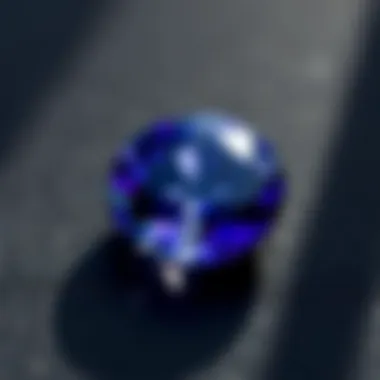
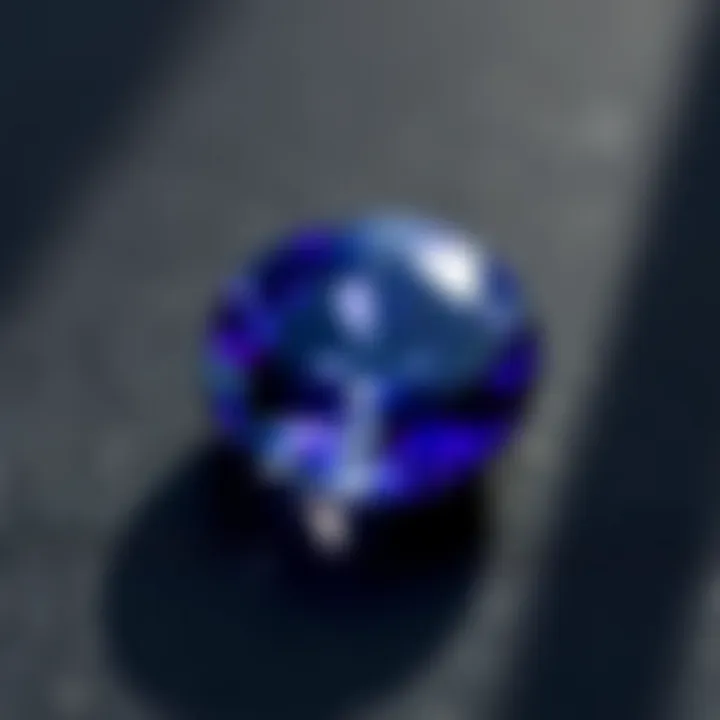
Tanzanite, a captivating gemstone that has piqued the interest of many, is renowned not just for its stunning blue-violet hue but also for its intriguing origins and characteristics. When we think about gemstones in general, we often picture them as mere decorative pieces. However, the true essence of gemstones lies in their formation, cultural significance, and the stories they carry.
Definition of Gemstones
Gemstones are naturally occurring minerals that, when cut and polished, are used in various forms of jewelry and ornaments. They undergo a meticulous process to reveal their innate beauty. While some gemstones are well-known, such as diamonds, rubies, and sapphires, others, like tanzanite, are relatively newer in the market but equally fascinating. Tanzanite is adored for its unique color change properties and is classified as a variety of the mineral zoisite. This distinct characteristic often attracts those looking for something out of the ordinary.
Classification of Gemstones
The classification of gemstones typically falls into a couple of categories, varying based on their physical and chemical properties. Generally, they can be divided into:
- Precious Gemstones: These include rare gems like diamonds, rubies, sapphires, and emeralds. The term "precious" highlights their rarity and high value.
- Semi-Precious Gemstones: This group encompasses a broad spectrum of stones, including tanzanite, amethyst, and garnet. Though not as rare as precious gems, they still hold their own aesthetic and monetary value.
Understanding these classifications provides a foundation for appreciating the market dynamics and valuation criteria for tanzanite. As we delve deeper, knowing tanzanite's place within these categories enhances our grasp on its significance.
Historical Significance
Origins of Gemstone Use
The use of gemstones traces back thousands of years. Ancient civilizations adorned themselves with these natural wonders, believing they held powers beyond mere beauty. From healing properties to status symbols, gemstones have been deeply ingrained in human history. Tanzanite, discovered relatively recently in the 1960s, offers a modern chapter to this ancient tale.
Cultural Insights: Gemstones in Ancient Civilizations
In dissecting the cultural landscape, gemstones often find their place in mythology and ancient rituals. For instance, the Egyptians treasured lapis lazuli, considering it a symbol of luxury and royalty. In contrast, the Greeks believed that wearing amethyst prevented intoxication. While tanzanite does not boast such an ancient heritage, its emerging narrative aligns with the traditional significance attributed to gemstones.
In sum, tanzanite stands as a testament to the ever-evolving relationship humans hold with gemstones. With its fascinating characteristics and contemporary relevance, it continues to entice not just jewelry designers but also collectors and geology enthusiasts alike. As we move forward, we’ll closely examine what makes tanzanite truly stand out in today's gemstone market.
"Gemstones are the poetry of the earth, each with a tale waiting to be unraveled."
For a deeper insight into the properties and importance of gemstones, you may refer to Gemstone Properties.
Intro to Tanzanite Loose Stones
Tanzanite, celebrated for its stunning blue-violet hues, has emerged as a coveted gemstone among enthusiasts and collectors alike. This unique stone, a member of the zoisite mineral family, is distinguished not only by its remarkable coloring but also by its relative rarity. Understanding tanzanite loose stones is essential for anyone stepping into the realm of gemstones, as it lays the foundation for appreciating their beauty and value.
One of the standout characteristics of tanzanite is its trichroism, which allows it to display different colors when viewed from different angles. This property magnifies the visual allure of tanzanite, pushing it up a few notches on anyone’s gemstone wish list. For collectors and designers, knowing the nuances of this stone is akin to holding a treasure map; it guides them towards making informed choices about quality and authenticity.
When discussing tanzanite loose stones, there are several elements that warrant attention:
- Quality Indicators: Factors like color saturation, clarity, and cut play crucial roles in defining the value of tanzanite.
- Market Trends: Being aware of how the market fluctuates can aid buyers in recognizing the optimal time to make a purchase.
- Ethical Sourcing: As consumers become increasingly aware of the impact of their choices, understanding where and how tanzanite is sourced becomes paramount.
Acquiring tanzanite loose stones is not just about buying a piece of jewelry; it's about investing in a narrative that intertwines science, art, and personal meaning. As we delve deeper into this guide, you will uncover a tapestry of insights that will enhance your appreciation for these exquisite stones and support your journey, whether you're a budding enthusiast or a seasoned collector. After all, knowledge is the compass that guides us in making wise decisions, especially in the intricate world of gemstones.
Geological Origins of Tanzanite
Understanding the geological origins of tanzanite is crucial for anyone interested in this captivating gemstone. By delving into how tanzanite is formed and where it’s found, enthusiasts can better appreciate its uniqueness and value. This section will provide insight into the conditions required for its creation, as well as the specific locations that yield this remarkable stone.
Formation Process
Tanzanite is a variety of the mineral zoisite, specifically colored by the presence of vanadium. Its formation is quite intricate, taking place under high-pressure and high-temperature conditions that occur deep within the Earth, typically around 550 to 600 degrees Celsius in the crust. To visualize this, consider a pressure cooker: it’s under just the right conditions that its contents transform. Similarly, in the case of tanzanite, this mineral undergoes metamorphic changes over millions of years.
- Pegmatitic Hydrothermal Deposits: These deposits form when hot, mineral-rich fluids rise through the Earth’s crust, filling fissures and creating veins. When conditions are just right, zoisite develops into tanzanite, showcasing its distinct bluish-violet hue.
- Metamorphic Rocks: In some cases, existing rock is subjected to intense heat and pressure, allowing for the necessary changes that create tanzanite. This process can take a long time, exemplifying why tanzanite remains a rare gem.
- Environmental Influence: The presence of vanadium is crucial for tanzanite’s sought-after color. If vanadium is absent during formation, other minerals may develop instead, leading to various color outcomes that differ from the striking blue.
The complexity of these formations underscores the rarity of the stone. Unlike diamonds or sapphires that are more widely distributed, tanzanite is exclusive to a small region in the world—adding to its intrigue and market value.
Geographical Distribution
Tanzanite is primarily located in a small area near Mount Kilimanjaro in Tanzania, which significantly affects its supply and pricing. This Tanzanian location is often described as the
Distinctive Characteristics of Tanzanite
When considering the allure of tanzanite, its distinctive characteristics are paramount. These traits not only define its visual appeal but also impact its desirability among gem enthusiasts, collectors, and jewelry designers. Understanding these unique attributes provides insight into what makes tanzanite a sought-after gemstone. The essence of tanzanite lies in its color, clarity, and cut, each contributing to its value and beauty.
Color Variations
Tanzanite is celebrated for its stunning color variations, predominantly displaying shades of blue and violet. However, it isn't just a one-note wonder; it often showcases hues ranging from deep navy blue to vibrant purples and even lighter periwinkle tones. The variance in color is a result of how tanzanite interacts with light, a phenomenon known as pleochroism.


- Pleochroism Effect: The unique crystalline structure of tanzanite allows it to exhibit different colors when viewed from different angles. This captivating visual dance adds layers of complexity to the gemstone.
- Color Saturation: The richness of the color can significantly influence the stone’s value. For instance, a tanzanite with a deep, vivid blue hue is often considered more valuable than its lighter counterparts.
- Market Preferences: Depending on trends, certain shades may be more desirable. When purchasing, keep an eye on current market trends; deep blues have often found favor in the designer jewelry circles.
As the famous gemologist Richard Hughes once said, "Color is king in gemstones," and in the case of tanzanite, this statement holds true.
Clarity and Transparency
Clarity refers to the presence of inclusions or blemishes within the gem. In the world of gemstones, clarity significantly impacts quality and value. Tanzanite, with its typically high clarity, allows for a greater depth of color visibility. When viewing tanzanite:
- High Clarity: Stones with fewer inclusions are considered more valuable. A clean tanzanite allows the light to pass through without obstruction, enhancing its vibrant colors.
- Transparency Levels: Tanzanite often exhibits a transparent to semi-transparent quality. Its transparency helps light interact optimally with the gem, creating an eye-catching brilliance.
- Flaws and Inclusions: While some inclusions may enhance the character of a stone, excessive ones can detract from its appeal. Familiarize yourself with the types of imperfections that may exist in tanzanite, to better assess its clarity.
Cut and Carat Weight
The cut of a tanzanite is critical. Not all cuts are equal; the manner in which a stone is faceted can dramatically affect its appearance and value. When it comes to tanzanite:
- Popular Cuts: Round, oval, and cushion cuts are favored for their ability to show off the stone’s color and brilliance. A well-executed cut will act as a magnifying glass, brilliantly illuminating the gem’s color play.
- Carat Weight Considerations: Generally, larger tanzanites are rarer and thus more valuable. However, a smaller, well-cut stone can outshine a larger one if its color and clarity are superior. This nuance in the market emphasizes the importance of personal preference in choosing tanzanite.
"The cut can amplify the beauty of a tanzanite gemstone tenfold," notes gem cutter David Stoten.
When selecting tanzanite, remember that each of these distinctive characteristics—color variations, clarity, and cut—offers a window into the gem's soul. They account for not only its beauty but also its investment potential in an ever-evolving gemstone market. As you search for the perfect stone, consider how these characteristics align with your personal tastes and values in gem collection.
Market Value of Tanzanite Loose Stones
Understanding the market value of tanzanite loose stones is crucial for anyone looking to invest in this captivating gem. The market value doesn't just reflect the gemstone's inherent beauty; it involves a complex interplay of various elements such as quality, demand, and trends in the marketplace. For jewelry designers and collectors, being well-versed in the market dynamics helps ensure that purchases are not only aesthetically pleasing but also sound investments. In an industry where the value can fluctuate like the tide, knowing the factors that influence these changes is essential for making informed decisions.
Factors Influencing Value
Numerous factors come into play when determining the value of tanzanite loose stones. Here are some that can't be overlooked:
- Color Quality: The vividness and saturation of tanzanite's color significantly impact its value. Stones that exhibit the deep blues and purples characteristic of high-quality tanzanite fetch a higher price.
- Clarity and Transparency: A higher clarity grade means a clearer stone, free from visible inclusions. This factor directly influences desirability and value.
- Size and Carat Weight: Larger tanzanite stones are rarer, making them more valuable. However, if a large stone has poor color or clarity, this can diminish its worth.
- Cut Quality: The way a stone is cut can dramatically affect both its beauty and its value. An expertly cut stone will reflect light more effectively, enhancing its aesthetic appeal.
- Market Demand: Like any commodity, the value of tanzanite is influenced by market demand. Trends in jewelry fashion can significantly affect how much buyers are willing to spend.
“In the gemstone world, a well-informed buyer is a happy buyer.”
Price Trends
Keeping an eye on price trends is vital for anyone interested in tanzanite loose stones. Price shifts can happen due to a variety of reasons:
- Economic Factors: Depending on the economic climate, the willingness of consumers to purchase luxury items can rise or fall. Global economic challenges may lower demand for tanzanite, impacting its price.
- Supply Limitations: Tanzanite is mined exclusively in Tanzania, which presents inherent risks related to supply. Any disruptions, be it political or environmental, could lead to price increases.
- Cultural Shifts: As jewelry design trends evolve, so does the popularity of gemstones. If tanzanite becomes trendy due to fashion designers showcasing it in their collections, the demand—and thus the price—may rise.
- Technological Advances: Improvements in mining and gem processing technology can lead to a more efficient extraction process, potentially increasing availability and reducing prices.
By paying attention to these factors and trends, potential buyers can navigate the world of tanzanite with greater confidence and understanding. The value of tanzanite loose stones is not merely numerical; it encapsulates a myriad of elements that justify its allure and desirability.
Ethical Considerations in Sourcing Tanzanite
Sourcing tanzanite requires significant consideration of ethical practices. With the gemstone's origins rooted in a single geographical area, its collection and trade have wide-ranging implications for local communities and environments. Understanding these implications is essential for buyers who not only want a beautiful stone but also hope to support practices that are sustainable and equitable.
Sourcing Practices
When it comes to sourcing tanzanite, the spotlight often shines on transparency. Many buyers seek assurance that their gemstones are conflict-free. Unfortunately, not all sources adhere to strict guidelines, which can lead to illegal mining and exploitation of local labor forces.
Gemstone enthusiasts should gravitate towards suppliers who prioritize responsible sourcing. This includes:
- Artisan Mining: Support mines that empower local workers. These enterprises often provide fair wages and safe working environments.
- Traceability: Purchase stones from dealers who can guarantee the stone's origins, ensuring it has not been sourced from conflict zones.
- Certifications: Look for gemstones accompanied by certifications that indicate ethical practices in the mining and trading process.
Each of these factors plays a critical role in ensuring that your tanzanite acquisition contributes positively to the community.
Environmental Impact
Tanzanite mining does not just affect the people who work the mines; it also has a lasting impact on the environment. The mining process often results in land degradation, loss of biodiversity, and significant water consumption. Considering this aspect is pivotal for anyone interested in the long-term effects of their purchases.
Key environmental factors to consider include:
- Habitat Destruction: Large-scale mining operations can lead to irreversible damage to local ecosystems. Over time, this affects not just wildlife, but also agricultural practices in surrounding areas.
- Water Pollution: Mining activities can pollute local water sources, making it difficult for nearby communities to access clean water. This adds another layer of complexity to the issue of ethical sourcing.
- Restoration Efforts: Support companies that engage in rehabilitation projects post-mining. These initiatives focus on revitalizing mined areas, restoring habitats, and reclaiming land for agricultural use.
Ethical sourcing is not merely a trend; it is a responsibility that every buyer must carry with pride. By choosing responsibly sourced tanzanite, you participate in a movement towards sustainable practices and greater accountability in the gemstone industry.
Care and Maintenance of Tanzanite Loose Stones
Taking care of tanzanite loose stones is essential for preserving their beauty and ensuring longevity. As a relatively softer gemstone, tanzanite ranks about 6 to 7 on the Mohs scale of hardness. This means it can be susceptible to scratches and damage if not handled properly. By understanding the importance of proper care and maintenance, you can enjoy tanzanite's vivid hues and sparkling brilliance for many years to come.

Cleaning Techniques
Keeping your tanzanite clean isn’t just about appearance; it also prolongs the stone's life. Proper cleaning techniques involve using gentle methods that won’t cause any harm.
- Gentle Soap and Water: Mix a few drops of mild dish soap with lukewarm water. Dip a soft cloth or a soft-bristle toothbrush into the solution to gently scrub the stone. Rinse it thoroughly under running water to remove any soap residue.
- Avoid Harsh Chemicals: Never use abrasive cleaners, bleach, or ammonia. Such chemicals can damage the delicate surface of tanzanite, dulling its shine.
- Drying: After cleaning, gently pat the stone dry with a soft cloth. Avoid using paper towels as they can scratch the surface.
Storage Recommendations
Where and how you store your tanzanite can significantly impact its condition. Proper storage is crucial for preventing scratches and other damage.
- Separate Compartments: Store tanzanite loose stones in separate compartments, ideally in a fabric-lined jewelry box or a padded case. This will prevent them from coming into contact with harder gemstones that might scratch them.
- Avoid Sunlight: Keep your stones away from direct sunlight, as prolonged exposure can lead to fading of their vibrant colors.
- Humidity Control: A cool, dry place is best. Excess humidity can affect the stone's integrity over time.
Common Mistakes to Avoid
Caring for tanzanite isn’t always straightforward, and mistakes can happen. Being aware of common pitfalls can help in maintaining your stones.
- Not Cleaning Regularly: Some people assume that tanzanite doesn’t require regular cleaning because they are not worn often. Neglect can lead to buildup of dirt, affecting its brilliance.
- Using Hot Water: Hot water can cause thermal shock, which may lead to cracking. Always use lukewarm water for cleaning.
- Skipping Professional Help: Periodic professional cleaning and inspection are advisable, especially if you have invested a significant amount in the stone. An expert can catch any issues early on and help maintain its value.
"By taking care of your tanzanite, you're not just protecting a gemstone; you're preserving a piece of nature's art."
Understanding and implementing these care and maintenance practices can help ensure that your tanzanite loose stones remain as captivating as the day you acquired them.
Industrial Applications of Tanzanite
When discussing tanzanite, most conversations tend to orbit around its luxurious presence in jewelry. However, its significance stretches far beyond ornamental uses, tapping into the realm of industrial applications that deserve both attention and respect. This section aims to shine a light on how the unique properties of tanzanite are leveraged in various fields, offering valuable insights into the practicality of this breathtaking stone.
Uses in Technology
Tanzanite is not just a pretty face; its fascinating physical and chemical characteristics, such as its high refractive index and pleochroism, make it an intriguing candidate for certain technological applications. Although tanzanite is not widely used in everyday technology, its potential in specific sectors can’t be overlooked.
- Optical Instruments: The gemstone's excellent light transmission makes it suitable for high-precision optical components. Experimental uses are being explored in advanced optics for cameras and lasers. Imagine holding a tanzanite crystal that is enhancing your camera's performance or working in a laboratory where the light's pathway is perfectly engineered through this stone.
- Gemology and Education: Institutions may utilize tanzanite in educational settings for teaching purposes. Its unique properties serve as an effective tool to demonstrate crystallography principles and the nature of light.
- Electronic Devices: Though still in the nascent stages, some researchers are probing into the possibilities of using tanzanite for semiconductor applications. Its distinctive attributes could play a role in future electronic devices or systems.
Applications in Art and Design
Tanzanite isn’t only about physical uses; it finds its footing in artistic expressions as well. The gem's stunning hues have inspired various art forms and design philosophies, combining aesthetic appeal with functionality.
- Jewelry Design: As we tread into the realms of bespoke creations, tanzanite is a favorite among artisans for its striking color variations. Jewelry makers love incorporating tanzanite into rings, necklaces, and brooches, making it a gem that not only looks good but also carries a story. The versatility in design allows it to pair beautifully with various metals like gold and silver, making it a sought-after choice in luxury markets.
- Interior Design: The calming blues and purples of tanzanite have caught the eye of interior designers as well. Its color is often used as inspiration for creating serene, peaceful spaces. Accent pieces inspired by tanzanite can create visual impact, whether it's through color palettes or actual decor objects.
- Fashion Industry: Fashion designers have adopted tanzanite as a motif, influencing fabric textures and color designs. Its rich hues can evoke emotions and set moods, impacting overall fashion collections and runway shows.
"The beauty of tanzanite goes beyond its sparkle; it's a symbol of creativity in industries where rarity meets innovation."
Tanzanite's utilization in technology and design is a testament to its multidimensional appeals. Recognizing these industrial applications enlivens the stone's narrative, elevating it from simple adornment to a remarkable component across varied sectors, and setting the stage for a conversation that fuses art with science. As we look toward the future, the potential for tanzanite in industry seems as vibrant as the stone itself.
Tanzanite in Culture and History
Tanzanite, a gem that carries the spirit of its origins, is not just valued for its physical beauty but for the story it tells about the earth and the cultures shaped by it. This section unpacks the historical context and cultural significance of tanzanite, echoing the profound connections woven through time between people and this remarkable stone.
Historical Context
Tanzanite's journey began in the late 1960s, making its entrance onto the global gemstone stage as a relatively recent discovery. Before this, it lay hidden beneath the surface of Tanzania, undiscovered, as the local tribes led a simple life amidst the rugged landscapes. The gem was initially known as “blue zoisite” until the famous American jeweler Tiffany & Co. gave it the more captivating name of tanzanite, drawing attention to its exotic allure and its region of origin.
This gemstone quickly captured the imagination of both gem enthusiasts and historians alike. In the cultural fabric of the Maasai people, the vibrant blue-purple hue of tanzanite is often intertwined with traditional beliefs that the color symbolizes a connection between heaven and earth. The very first tanzanite stones were mined in the Mererani hills, and following their discovery, the area became significant economically, boasting a substantial local mining industry.
Tanzanite’s entry into the gemstone market coincided with a time when various gemstones were being marketed as symbols of wealth and prestige. Jewelers began setting it in various high-end pieces, and not long after, it found fame not just in western markets but also globally. Over the decades, tanzanite has become a recognized gem for its rarity and stunning color, even gaining a place in modern history as the birthstone for December.
Cultural Significance
Culturally, tanzanite holds a multifaceted role across different societies. In Tanzania, the gem is much more than a sparkling adornment; it is a symbol of cultural pride and identity. Local artisans often incorporate tanzanite into their handcrafted jewelry, blending ancient techniques with contemporary design to create pieces that reflect both tradition and innovation. This blend not only preserves cultural heritage but also opens a door for economic development in local communities.
Beyond Tanzania, tanzanite is often linked with various positive attributes. Many believe that wearing tanzanite brings wisdom, insight, and calming energies. This belief has led to the stone becoming a popular choice among various spiritual communities. People perceive it as a stone that enhances intuition and encourages self-expression. Thus, in more ways than one, tanzanite captures the imaginations of individuals seeking deeper meaning in their jewelry.
“Every gem has a story, but tanzanite holds a tale that connects the earth to the people who cherish it.”
As tanzanite continues to gain prominence in the global market, it carries with it the rich tapestry of its cultural narratives and historical journeys, showcasing not only its beauty but the deep human experiences tied to its existence. This reiterates the importance of acknowledging and respecting the roots of such remarkable gemstones for both collectors and consumers.
In summary, the historical context and cultural significance of tanzanite illuminate the need to appreciate this stone beyond its aesthetic appeal. Understanding the fabric of its origins enriches our connection to this profound gem, reinforcing its status as not just a luxury but a connection to humanity itself.
Trends in Tanzanite Jewelry


As the gemstone world evolves, tanzanite jewelry has entered a fashion spotlight, becoming increasingly popular among enthusiasts and collectors alike. The allure of tanzanite—with its unique range of blues, purples, and violets—positions it not just as a piece of jewelry but a canvas for creativity. It offers a refreshing alternative to traditional stones like diamonds and sapphires, adding an enticing twist to modern jewelry design. Understanding the current trends can help buyers make informed decisions, create stunning collections, and utilize tanzanite's extraordinary capabilities.
Current Fashion Insights
Today's market-driven landscape sees tanzanite being embraced in a multitude of styles, catering to both timeless elegance and bold, contemporary expressions.
- Color Trends: The popularity of pastel colors is resurging, and tanzanite's soft lavender shades often find a home in spring collections. Jewelers increasingly pair tanzanite with lighter metals, creating a delicate look that appeals to younger consumers.
- Layering: In recent seasons, layering has taken center stage. Be it stacking rings or layering necklaces, tanzanite's versatility shines here. Mixed with other stones for a well-curated bohemian vibe, tanzanite adds a splash of color that enhances the overall aesthetic.
- Statement Pieces: Larger tanzanite stones are becoming a go-to for statement pieces. Designed as cocktail rings or oversized pendants, these bold designs capture attention and stir conversations. The unique color of tanzanite allows designers to be daring and innovative, pushing the boundaries of typical gemstone use.
Custom Designs and Innovations
Innovation in jewelry design breathes new life into the tanzanite market. More consumers are seeking personalized pieces that reflect their individual tastes rather than mass-produced options.
- Bespoke Jewelry: Many jewelers now offer bespoke services that allow clients to create one-of-a-kind pieces using tanzanite. This trend speaks volumes about how consumers desire ownership over their jewelry and a connection to the craftsmanship behind it.
- Sustainable Practices: There’s a growing emphasis on ethical sourcing and sustainability within the jewelry sector. As tanzanite becomes synonymous with responsible mining practices, buyers are more inclined to support brands that prioritize ethical and transparent sourcing. This shift not only fosters a positive image but also shapes customer loyalty.
- Innovative Settings: Expect to see tanzanite set in unconventional ways. With innovative techniques becoming commonplace, designers explore unusual cuts and settings that highlight tanzanite’s brilliance while also providing a modern twist on classic styles. Using alternative gemstones alongside tanzanite also brings an interesting layer to pieces.
For a deeper dive into the world of tanzanite jewelry and comprehensive insights, check out resources on Wikipedia and Britannica. See creative designs shared on platforms like Reddit or explore collector discussions on Facebook to stay connected with the vibrant community.
Buying Tanzanite Loose Stones: A Guide
Purchasing tanzanite loose stones can be both an exciting and daunting venture, particularly for those who are new to the world of gemstones. This section serves to illuminate the crucial aspects of buying tanzanite, guiding readers through their journey of choosing the right stone. A well-informed buyer can not only appreciate the beauty of tanzanite but also make choices that reflect their personal style and investment potential.
When it comes to tanzanite, understanding where to buy, how to evaluate quality, and recognizing authenticity are key elements all buyers should master. By grasping these fundamentals, enthusiasts can navigate the marketplace with confidence and ensure they procure a stone that is not just lovely, but also a wise investment.
Where to Buy
Finding the right place to buy tanzanite can make all the difference. It's advisable to source from reputable dealers who have a proven track record in gemstones, particularly tanzanite.
- Gem shows and exhibitions: These are prime opportunities to find a wide array of stones while learning directly from vendors.
- Jewelry stores: Established jewelers often carry tanzanite and can provide insight into quality and provenance.
- Online marketplaces: Websites like Etsy, eBay, and gem-specific platforms can offer competitive prices, yet necessitate careful scrutiny of the seller's reputation prior to purchase.
- Auctions: Reputable auction houses can present unique pieces but may carry higher final prices.
By diversifying your sourcing strategy, you may find not only better prices but also a broader selection of tanzanite stones.
Evaluating Quality
Quality evaluation is essential when buying tanzanite loose stones. Factors that contribute to a stone's quality include color, clarity, cut, and carat weight. Each of these characteristics influences not just the aesthetic appeal but also the value of the stone.
- Color: Look for stones with deep, vibrant blues or purples. Highly saturated colors command higher prices.
- Clarity: The presence of inclusions or blemishes can affect clarity drastically. Aim for stones with minimal visible flaws under 10x magnification.
- Cut: The quality of the cut can amplify or diminish a stone's brilliance. Well-cut stones reflect light evenly.
- Carat weight: Larger stones tend to be more expensive per carat, though the price escalates logistically with size.
Taking these factors into consideration will help buyers separate the wheat from the chaff, ensuring they make an informed purchase.
Recognizing Authenticity
With the increasing popularity of tanzanite, the market has inevitably attracted counterfeit stones. Hence, recognizing authenticity is more crucial than ever. Here are some strategies to ensure you are buying a genuine tanzanite:
- Certification: Always request a gemological report from reputable institutions like the Gemological Institute of America (GIA). This report verifies authenticity and provides details such as origin and treatment status.
- Visual Inspection: Experienced buyers can spot telltale signs of imitations. For example, genuine tanzanites typically have a pleochroic effect, meaning they display different colors when viewed from different angles.
- Knowledge: Familiarize yourself with characteristics specific to tanzanite, in particular its unique color shift under varying light sources.
In sum, by adhering to these guidelines, buyers can better ensure their tanzanite loose stone is a legitimate and beautiful addition to their collection. By surrounding oneself with knowledgeable dealers, paying attention to quality, and verifying authenticity, the purchasing experience can be a fulfilling journey into the alluring realm of tanzanite.
The Future of Tanzanite in the Gemstone Market
Tanzanite, a unique gemstone found only in Tanzania, has significant potential within the ever-evolving landscape of the gemstone market. A blend of beauty and rarity, its future holds both challenges and opportunities. Understanding these aspects not only aids in making informed decisions but enhances appreciation for this striking stone.
Emerging Trends
In evaluating the future of tanzanite, it’s critical to observe the emerging trends that shape consumer preferences and influence market dynamics.
- Sustainable Sourcing: As buyers become more conscious about ethical considerations, sustainably sourced tanzanite will likely see higher demand. Consumers are showing a preference for gemstones that uphold ethical mining practices, and tanzanite, with its niche status, could benefit significantly.
- Gemstone Technology: Advancements in gemstone appraisal technology may impact how tanzanite is graded and valued. Enhanced techniques like spectrometry can provide precise insights into a stone's characteristics and origin, potentially increasing buyer confidence and driving sales.
- Customization in Jewelry: The rise of personalized jewelry has made waves across the market. As more consumers seek unique stones for custom pieces, tanzanite, with its vivid colors and distinct properties, holds strong appeal. Jewelers may start focusing on custom designs that highlight the dramatic color shifts in tanzanite gemstones.
- Social Media Impact: Platforms like Instagram and Pinterest play a crucial role in shaping consumer behavior. The visual allure of tanzanite is likely to capture attention online, encouraging jewelry makers to incorporate these stones into their designs. A well-timed social media campaign can boost tanzanite’s profile among luxury consumers.
Market Predictions
Predicting the trajectory of tanzanite in the market reveals several key considerations:
- Value Stability: Given its limited geographical source, tanzanite's value may stabilize as collectors secure holdings of top-quality stones. This scarcity could maintain its allure among affluent buyers looking to invest in rare gems.
- Innovation in Cutting Styles: As gemstone cutting technology improves, we may see new and innovative cuts that enhance tanzanite's unique color properties. Enhanced aesthetics can lead to increased retail interest and higher selling prices.
- The Role of Vintage and Antique Jewelry: Vintage tanzanite jewelry is gaining popularity as buyers look for distinct pieces with a story. The market for antique items featuring tanzanite may expand, allowing older designs to emerge as valuable collectibles.
- Changing Attitudes Post-Pandemic: The global pandemic altered consumer buying behavior, introducing a more thoughtful approach to luxury purchases. As more people seek emotional connections with items, the inherent story and unique qualities of tanzanite may make it a more attractive option.
"The unique properties of tanzanite combined with emerging market trends may not only enhance its reputation but could also redefine its value in the gemstone world."
Navigating the complexities of the future market for tanzanite involves a keen eye for both consumer trends and innovative practices. As the demand for unique, ethically sourced stones grows, the potential for tanzanite remains vibrant, paving the way for a promising path ahead.
Closure
As we draw the curtains on this thorough exploration of tanzanite loose stones, it's crucial to take a moment to reflect on the significance of these gemstones in the broader landscape of the jewelry industry and gemology as a whole. Tanzanite is not simply a pretty rock; it serves as a testament to nature's artistry and geological processes, offering profound insights into the Earth's history. It’s a gemstone that carries with it a story of rarity and beauty, a narrative that enthusiasts, collectors, and jewelers alike find irresistible.
Tanzanite's vibrant colors and unique characteristics make it a popular choice among consumers. Understanding the factors that contribute to its value—such as color saturation, clarity, and sourcing ethics—can empower buyers to make informed decisions. This exploration of market value and trends underscores a greater appreciation for the stone, transitioning individual gems from mere objects of beauty to valued investments.
The ethical considerations of sourcing tanzanite are significant as well. In a world increasingly conscious of sustainability and environmental impact, understanding the importance of ethical sourcing practices shapes not only consumer behavior but also industry standards. This ethical awareness is not just a trend; it’s essential for fostering a more responsible and sustainable gemstone market.
Moreover, the discussions surrounding the care and maintenance of tanzanite highlight practical knowledge that is beneficial for both owners and collectors. Proper handling and maintenance prolong the aesthetic and intrinsic value of these stones. It’s about preserving the beauty and integrity of these gems, ensuring they can be cherished for generations.