Current Trends in Women's Diamond Ring Designs


Intro
In the ever-evolving realm of jewelry, diamond rings hold a special place in the hearts of many women. These exquisite pieces do far more than adorn fingers; they tell stories of love, commitment, and personal style. As trends continuously shift, staying attuned to the latest designs becomes essential for anyone looking to make a fashionable statement or even mark a life event.
The diamond rings we see today are not just replacements for traditional styles; they represent an amalgamation of artistry, innovation, and cultural influences. This exploration aims to shine a light on the trends shaping contemporary diamond ring designs, focusing not just on aesthetics but also on the craftsmanship and cultural significance behind these beautiful creations.
Gemstone Overview
Definition of Gemstones
Gemstones have captivated human interest for centuries, valued not only for their beauty but also for their unique properties. At their core, gemstones are minerals, rocks, or organic materials that have been shaped and polished for use in jewelry or decoration. Diamonds, specifically, are carbon crystals formed deeply within the earth's mantle under extreme heat and pressure. Their rarity and brilliance have made them a prime choice for expressions of love and commitment, particularly in engagement rings.
Classification of Gemstones
Gemstones fall into two broad categories: precious and semi-precious. While the distinction can be a bit blurry and subjective, historically, diamonds, rubies, sapphires, and emeralds are considered precious stones. These gemstones are prized for their durability and stunning appearances. On the flip side, stones such as amethyst, garnet, and aquamarine are classified as semi-precious. Although they may not carry the same high price tags, their vibrancy and variations make them popular choices in contemporary jewelry.
Interestingly, the classification also extends to how these stones are used in designs. For example, in modern rings, diamonds are often paired with colored gemstones to create a unique look that appeals to a broader audience. This blending of classifications opens the door to creative possibilities and reflects the wearer's personality—whether bold and colorful or classic and understated.
Historical Significance
Origins of Gemstone Use
The usage of gemstones in jewelry dates back thousands of years. Ancient civilizations, from the Egyptians to the Mayans, adorned themselves with gemstones as a display of power and wealth. Diamonds, however, were not always the first choice. Historically, colored gemstones dominated the scene due to their availability and the vibrant hues they offered. As time progressed, the diamond gained prominence, especially after the discovery of significant deposits in India during the 18th century. Their status escalated, culminating in the iconic role they play today in engagement and wedding rings worldwide.
Cultural Insights: Gemstones in Ancient Civilizations
From the ornate gold and lapis lazuli jewelry of ancient Egypt to the intricate goldsmithing of the Roman Empire, gemstones served not just decorative purposes but also held symbolic meanings and spiritual significance. Different cultures attached various meanings to certain stones; for example, ancient Greeks believed diamonds were tears from the gods, while Indians considered diamonds symbols of invincibility and strength.
Every culture brought its touch to gemstone usage, influencing contemporary designs. Today, modern designers often look back on historical motifs and symbolism, channeling them into new creations that celebrate tradition while remaining fresh and relevant. The cultural tapestry woven over centuries impacts the choices people make regarding diamond rings, giving them a deeper significance beyond mere aesthetics.
"Gemstones connect us to cultural heritages, embodying not just their splendor but the shared history of humanity."
In summary, the landscape of diamond ring designs for women reflects a rich blend of historical significance, evolving definitions, and classifications of gemstones. From ancient practices to modern artistry, these creations tell a story that resonates with both wearers and admirers. As we delve deeper into trends of today, it becomes clear that each diamond ring not only represents personal style but also echoes the intricate dance of history and culture that has shaped the jewelry industry through generations.
Overview of Diamond Ring Designs
The diamond ring has long been a symbol of love and commitment, transcending time and cultures. In today’s world, its design has evolved significantly, reflecting not just personal taste but also broader societal trends and advancements in technology. Understanding the intricate layers of diamond ring designs gives us insight into why these pieces have remained timeless yet fresh. It provides clarity on how aesthetics, functionality, and emotional value intertwine.
Historical Context
The origins of diamond rings can be traced back to ancient civilizations where gemstones were believed to hold mystical powers. For instance, the ancient Greeks thought diamonds were tears from the gods, while Romans linked them to their warriors' bravery. In the medieval period, the tradition of gifting diamond rings during engagements started to solidify, notably with the famous 1477 proposal by Archduke Maximilian of Austria to Mary of Burgundy, who received a gold ring set with diamonds.
As we moved into the Victorian era, rings adorned with intricate designs and colored gemstones became prominent, showcasing the unique styles of the time. The Art Deco period later introduced geometric patterns and a focus on symmetry, shifting the aesthetic towards modernism. Thus, each era has left its mark, influencing contemporary diamond ring designs today, providing a rich tapestry of styles that can still be seen in many modern pieces.
Current Market Trends
Presently, the demand for diamond rings has transformed with consumer preferences heavily leaning towards personalization and sustainability. The latest trends indicate a surge in custom designs where individuals aspire to create unique pieces that tell their story. This year has notably witnessed a rise in vintage-inspired designs being repurposed to reflect heirlooms or momentous occasions, blending the old with the new.
Moreover, younger generations are prioritizing ethical sourcing, leading to a increase in lab-created diamonds and recycled materials. From social media trends to influencers showcasing their favorite styles, the current market reflects an eco-conscious mindset coupled with a desire for originality. Some designs now incorporate colored gemstones alongside diamonds to make each ring distinctly individual, capturing the essence of who the wearer is.
Cultural Influences on Design
Cultural narratives have significantly influenced diamond ring styles, intertwining personal identity with societal heritage. In many cultures, the precious stone symbolizes more than just an engagement or marital commitment; it embodies traits such as resilience and wealth. For instance, in Indian culture, the concept of wedding rings is intertwined with gold, and diamond-studded designs are common in bridal jewelry. In contrast, Scandinavian designs lean towards minimalist aesthetics, focusing on subtlety and elegance rather than extravagance.
The multicultural interactions in modern society further enrich these influences. As people befriend and marry across borders and cultures, the amalgamation of styles leads to more exotic designs featuring traditional motifs or material combinations. This blending has resulted in a unique fusion where one can spot a diamond engagement ring infused with elements of various cultural significance, thus creating a narrative that resonates on multiple levels.
"A diamond ring is not just an item; it is a history of trends and traditions, shaped by the tastes and choices of people over centuries."
Popular Diamond Cuts for Women’s Rings
When it comes to selecting a diamond ring, the cut of the diamond is of utmost importance. It not only determines the stone's brilliance and overall appearance, but also heavily influences its price and resale value. The right cut can elevate the beauty of a diamond, making it much more than just a piece of jewelry; it becomes a personal statement. Each cut carries its own personality and appeal, catering to a variety of tastes and preferences. As we explore the popular diamond cuts for women's rings, it’s essential to consider how these designs resonate with individual styles and the emotions they evoke.
Round Brilliant Cut
The Round Brilliant Cut might be the most renowned diamond cut, celebrated for its sheer brilliance and sparkle. This cut consists of 58 facets, expertly crafted to maximize light reflection. The circular shape appeals to a wide range of individuals, making it a staple choice for engagement rings and other special pieces.
In addition to its classic appeal, the Round Brilliant Cut serves as a canvas for unique personalization. Many jewelers offer custom settings that enhance the natural beauty of the diamond, allowing for creative expression tied to personal stories or memories. This means that, whether it’s a simple solitaire or a more elaborate setting, the Round Brilliant Cut fits seamlessly into any design.
Princess Cut
The Princess Cut stands as a symbol of contemporary elegance, having surged in popularity in recent decades. This square cut is characterized by its sharp angles and brilliant facets, resulting in a stunning interplay of light. It appeals to those who favor a modern aesthetic, making it a common choice among younger couples.
One of the advantages of the Princess Cut is its versatility. Its clean lines and geometric shape allow it to pair beautifully with various settings. Women who gravitate towards a bit of edge in their jewelry may find that a Princess Cut ring reflects their personality, striking that sweet spot between traditional and modern. Often, the princess cut lends itself well to side stones or intricate band designs, enhancing its visual appeal.
Emerald Cut
With its long, rectangular shape and step-cut facets, the Emerald Cut exudes sophistication and allure. Unlike the dazzling sparkle of the Round Brilliant, this cut features a more subdued elegance that appeals to those who prefer a timeless and refined look. The unique structure of the Emerald Cut emphasizes clarity and color, making it vital to select a diamond with minimal inclusions.
Emerald Cut rings often have a larger visual area, which means they can appear larger than their actual carat weight. This can offer a touch of luxury without necessarily breaking the bank. It's a popular choice among those looking for something that stands out yet remains understated.
Cushion Cut
The Cushion Cut combines vintage charm with contemporary flair, featuring rounded corners and larger facets that instill a romantic quality. Its unique antique-style design allows it to catch and reflect light beautifully, offering a warm sparkle that draws the eye.
Ashaped adnments with the cushion cut ring can range from classic solitaires to elaborate halo settings, providing plenty of options for those seeking something impactful. Women who want a ring that tells a story may find the Cushion Cut particularly appealing; it holds an old-world charm that resonates deeply with sentiments of love and timelessness.


This cut is often associated with engagement rings and vintage-inspired designs, making it a favorite among those who appreciate heirloom-quality pieces.
Each diamond cut presents a distinctive option to potential wearers, serving as both an aesthetic choice and a form of self-expression. No matter the selected style, understanding the characteristics and advantages of these cuts can lead to a more satisfying buying experience as one embarks on the journey to find the perfect ring.
Innovative Settings for Modern Designs
In the realm of diamond ring designs, the setting often plays the unsung hero, responsible for enhancing the beauty of the center stone while showcasing the individual's style and personality. This section delves into the innovative settings gaining prominence in the market today. Modern settings not only elevate the aesthetics of rings but also incorporate functionality and practicality, ensuring that the wearer's experience is as delightful as the ring itself. From the classic solitaire to contemporary minimalist designs, discerning consumers now have a plethora of options.
Solitaire Settings
The timeless solitaire setting remains a staple in the jewelry world. It's simple yet sophisticated, allowing the diamond to shine with unrivaled prominence. Traditionally characterized by a single diamond mounted on a plain band, solitaire rings provide a sense of elegance that appeals to many. The minimalistic design allows the diamond to be the focus, emphasizing its brilliance and clarity. Moreover, the absence of elaborate embellishments can symbolize purity and commitment, making it a popular choice for engagements.
In recent trends, jewelers have started to incorporate unique elements, such as twisting bands or subtle texturing, to offer a more contemporary take on this classic design. By using different metal finishes or incorporating smaller accent stones alongside the main diamond, these innovative solitaire rings create an eye-catching yet elegant appearance.
Halo Settings
Halo settings have gained traction in the landscape of diamond jewelry, particularly for those who appreciate a bit of glamour. This design features a central stone surrounded by a ring of smaller diamonds, lending it an eye-catching sparkle that magnifies the central diamond's size and brilliance. One of the biggest advantages of halo settings is the ability to make a modestly sized diamond appear larger, which can be particularly appealing for certain budgets.
However, halo settings also allow for personalization. Consumers are now opting for varying shapes and colors of the surrounding stones, enhancing the overall look to match their unique tastes. Whether it’s an ornate double halo or a simple single halo, the versatility opened up by such settings highlights a modern trend towards individuality in jewel crafting.
Vintage-Inspired Settings
Nostalgia takes center stage with vintage-inspired settings that echo designs from eras gone by. Flamboyant styles from the Art Deco period or delicate filigree settings evoke a charm that speaks to many wearers. These rings often feature intricate detailing, with milgrain edges and side stones delicately framing the main diamond.
The appeal of vintage settings lies not only in their aesthetic but also in the stories they may carry. For many, these rings serve as heirlooms, anchoring their significance in family lore. Craftsmanship from days past blends art with emotion, offering something that plain modern designs can sometimes lack. Vintage-inspired rings allow wearers to express their connection to history and elegance, opening doors to unique personal narratives.
Modern Minimalist Settings
On the opposite end of the spectrum lie modern minimalist settings. These designs reflect the contemporary movement towards simplicity and functionality. Stripped back yet bold, minimalist rings focus on clean lines and unobtrusive profiles. A single stone highlighted by a simple band often defines the aesthetic in these designs.
The beauty of minimalist settings is their versatility. They complement a variety of styles—be it casual, professional, or formal—without overshadowing the personality of the wearer. Additionally, these rings often use ethical practices in sourcing materials, aligning with the growing consumer preference for sustainable products. As the trend towards simplicity continues, many are finding solace in sleek, understated designs that reflect their modern lifestyles.
Successful ring settings hinge on a blend of creativity and craftsmanship. The diverse range of innovative designs today caters to an array of tastes, making it possible for everyone to find a piece that resonates with their personal journey. The choices made in setting styles grant consumers the power to curate their unique narrative through this timeless piece of jewelry.
Emerging Trends in Diamond Ring Designs
Emerging trends in diamond ring designs hold a significant place in the jewelry landscape today. As the industry evolves, it reflects broader cultural shifts, preferences, and ethical considerations that are becoming increasingly relevant. Understanding these trends aids enthusiasts, collectors, and potential buyers in making choices aligned with modern values. From sustainability to the rise of unique customization options, these elements not only beautify but also resonate with personal beliefs and lifestyle choices.
Sustainable and Ethical Sourcing
In recent years, there has been a strong push towards sustainable and ethical sourcing of diamonds. This trend is underscored by a growing awareness of the environmental and social implications of mining practices. Consumers are seeking out diamonds that are produced without causing harm to the earth or the communities involved in their extraction.
- Conflict-Free Diamonds: The Kimberley Process was put into place to prevent "blood diamonds" from entering the market, ensuring that the diamonds you buy are sourced from conflict-free regions. However, this has evolved and now many brands go beyond the basics to guarantee ethical sourcing.
- Lab-Created Diamonds: Another facet of this trend includes lab-created diamonds, which are indistinguishable from natural diamonds to the naked eye. They offer an ethical, environmentally friendly alternative and often come at a lower price point, making luxury more accessible.
"Buying diamonds should not come at the cost of our planet or people. Today’s consumers want transparency, and they demand ethical practices in the jewelry industry."
Use of Alternative Gemstones
The movement towards using alternative gemstones is gaining traction among consumers who are looking for something distinct. While diamonds have traditionally dominated the market, alternative stones are carving out a niche.
- Colored Gemstones: Sapphires, emeralds, and even rubies are becoming popular choices for engagement rings and other jewelry pieces. These stones offer vibrancy and personality that diamonds sometimes lack.
- Mixed-Material Rings: Jewelers are experimenting with combinations of gemstones to create unique pieces that reflect individual styles. These designs not only enhance aesthetic appeal but can also convey deeper meanings, depending on the stones chosen.
Customization Options
Customization has never been more accessible, thanks to advancements in technology and design processes. Many consumers prefer rings that tell a personal story or reflect their individuality. The surge in customization options facilitates a connection between the wearer and the piece.
- Bespoke Designs: More jewelers offer bespoke design services, allowing customers to collaborate on their ideal ring. This can range from selecting the diamond shape, and band style, to even engraving personal messages.
- 3D Modeling: The rise of 3D modeling technology makes it easier for consumers to visualize their designs before committing to a purchase. This technology also enables jewelers to create intricate designs that may have previously been impossible to achieve.
In summary, emerging trends in diamond ring designs are steering the industry towards a more sustainable, personal, and innovative future. Whether it’s through ethical sourcing, the integration of alternative gemstones, or heightened customization options, today’s diamond rings are not just accessories; they are personal statements and reflections of one’s values.
Colorful Diamond Variations
The realm of diamond ring designs has expanded far beyond the classic white diamond. Today, the inclusion of colorful diamonds and gemstones adds a new layer of vibrancy to women's jewelry. Not only do these designs stand out, but they also reflect the personal style and individuality of the wearer. The trend toward colorful diamonds has made a significant splash in the industry, resonating with those who crave uniqueness and who favor expression over traditional choices.
Fancy Color Diamonds
Fancy color diamonds are truly captivating in their appearance and rarity. Unlike their colorless counterparts, these diamonds boast hues that can range from delicate pastels to deep, saturated shades. The most prized colors include intense blue, vivid pink, and bright yellow. The grading of these diamonds is based on three primary factors: hue, tone, and saturation.
- Hue refers to the color itself, such as blue or pink.
- Tone is how light or dark the color appears.
- Saturation indicates the intensity or strength of the color.
Investing in a fancy color diamond not only appeals to aesthetic tastes, but it also carries a certain investment potential. As these diamonds are rarer than their traditional counterparts, their value can appreciate over time, especially if they come in vibrant hues with high saturation. A pink diamond, for instance, has become a status symbol among celebrities, making it a coveted item on the market.
Incorporating Colored Gemstones
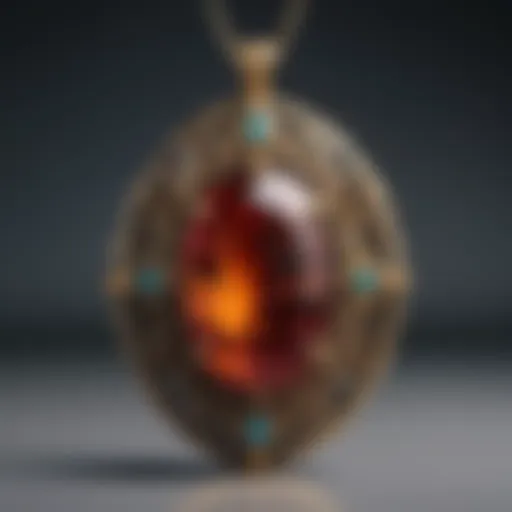
Colored gemstones are increasingly being incorporated into diamond ring designs, offering a fresh take on traditional pieces. Rubies, sapphires, and emeralds are excellent candidates for creating striking contrast with diamonds. These stones not only enhance the ring’s visual appeal but also offer various meanings and symbolism.
When integrating colored gemstones, one must consider the following key elements:
- Complementary Colors: Choose gemstones that contrast beautifully with the diamond. For instance, a deep blue sapphire can create a stunning pairing with white diamonds, while a vibrant green emerald may catch the eye when set with less traditional colored diamonds.
- Personal Meaning: Many individuals select gemstones based on personal significance or family heritage, making such rings not just jewelry, but keepsakes imbued with emotion.
- Durability and Hardness: It’s crucial to understand the hardness of the gemstones being used, especially if they are to be set alongside diamonds. While most colored gemstones are durable, they may require different care compared to diamonds, so knowing these details is beneficial.
In summary, colorful diamond variations—whether in the form of fancy color diamonds or the creative use of colored gemstones—are leading the way in contemporary jewelry design. Not only does this trend enhance visual excitement and individuality, but it also presents a chance for personal expression woven into finely crafted pieces. Making thoughtful choices in this vibrant domain can transform a simple ring into a personal masterpiece.
"Color is the keyboard, the eyes are the harmonies, the soul is the piano with many strings." - Wassily Kandinsky
For more on colored diamonds, visit Wikipedia or explore insights on gemstones from GemSelect.
The Role of Technology in Design


In today's fast-paced world, technology plays a pivotal role in the creation and customization of diamond rings. As the jewelry market evolves, incorporating advanced techniques and methods has become essential for designers and consumers alike. This section underscores the significance of technological advancements in the realm of diamond ring design, focusing on two key elements: 3D printing and virtual reality.
3D Printing in Jewelry Making
3D printing has revolutionized the jewelry industry in ways that were unimaginable just a couple of decades ago. This technology allows jewelers to create intricate designs with remarkable precision and speed. Unlike traditional methods that rely heavily on manual labor and skills, 3D printing automates much of the design process, thereby reducing costs and time.
One of the standout benefits of 3D printing is the flexibility it offers in terms of design. Jewelers can experiment with shapes and structures that were previously difficult or costly to produce. This opens up a whole new playground for creativity, enabling designers to propose unique styles that cater to current trends, like asymmetrical settings or elaborate details without fearing increased costs. As a result, customers are often drawn to rings that showcase a level of artistry not readily available in conventional offerings.
Furthermore, the ability to provide prototypes quickly means that customization can be done more efficiently. Whether a customer wants a distinctive engagement ring or a personal piece, jewelers can now make adjustments rapidly based on consumer feedback. The result? Each ring can be an expression of individuality and an enduring symbol of personal significance.
Virtual Reality for Customization
Virtual reality (VR) is another technological leap that is changing how consumers engage with jewelry design. By leveraging VR, jewelry designers can create immersive experiences for customers, allowing them to visualize their dream diamond ring long before committing to a purchase. This is particularly useful in a market where personal tastes vary widely.
Here’s how it works:
- Immersive Visualization: Customers can try on various ring designs in a virtual environment, manipulating different styles, cuts, and settings at their leisure.
- Enhanced Interaction: Through VR, clients can communicate their preferences more effectively, leading to a design that closely aligns with their vision. This collaboration allows for greater satisfaction.
- Clear Guidance: Professional designers can use VR to educate customers about different diamond cuts and settings, providing context about the choices they're making.
"Virtual reality has transformed the customer experience, making the process of choosing a diamond ring not just informative, but an enjoyable journey."
Iconic Designers and Their Styles
The realm of diamond ring design is not just about the stones; it’s deeply woven into the fabric of creativity and artistry that iconic designers bring to the table. The work of renowned designers shapes the diamond ring market, influencing trends and inspiring upcoming artisans. This section aims to explore the significance of these designers and their distinct styles, underscoring how their contributions continue to resonate with enthusiasts and collectors.
Influential Contemporary Designers
Among the contemporary designers, a few names stand out due to their innovative approaches and bold designs. Names like Taffin, known for their sculptural and avant-garde rings, showcase how modern techniques can marry traditional elements with a fresh perspective. Their use of unexpected materials alongside diamonds points to a new direction in jewelry design, one that invites wearers to express individuality rather than conform to norms.
Another noteworthy designer is Anna Sheffield. Renowned for her engagement rings, Sheffield embodies a whimsical yet elegant style. She often incorporates unconventional gemstones in her designs, which creates a unique dialogue between the diamond and its setting. This playful approach resonates particularly much with women who desire a balance between classic elegance and personal expression.
In addition, designers like Lorraine Schwartz have become integral to Hollywood red carpets, courtesy of their awe-inspiring pieces that often blend high fashion with daring craftsmanship. Schwartz’s work often embodies a sense of glamour and luxury that appeals to a modern audience, making her one of the most sought-after designers in the industry today.
Prominent Historic Designers
When tracing the roots of diamond ring design, one cannot overlook historic designers such as Cartier and Tiffany & Co. Cartier, known for their enduring sophistication, brought to the fore the concept of the modern diamond ring in the early 20th century. Their Art Deco designs continue to inspire contemporary pieces, merging geometric shapes with luxurious diamonds.
Tiffany & Co., on the other hand, revolutionized diamond marketing by ensuring quality and establishing the famed Tiffany Blue Box. The craftsmanship behind their masterpieces, characterized by timeless elegance and exceptional settings, creates an everlasting legacy in the world of jewelry. The iconic Tiffany Setting, which raises the diamond above the band, maximizes brilliance and has become synonymous with engagement rings.
"Designing a piece is not simply about aesthetics; it’s about telling a story that resonates with the wearer." - Well known designer quote.
These historic players laid the groundwork for the artistry of today, and their styles remain influential, serving as benchmarks for both aspiring and established jewelers.
In summary, the contributions made by these iconic designers serve to enhance the appreciation for diamond rings. They not only elevate the craftsmanship but also encapsulate the emotional significance that these pieces represent to countless individuals. For gemstone enthusiasts, collectors, and jewelry designers alike, understanding these influences can deepen their appreciation for both past and present innovations in diamond ring design.
Balancing Aesthetics and Durability
In the realm of diamond ring designs, achieving a balance between aesthetics and durability is paramount. A stunning ring is often at the forefront of gravitating attention; however, it has to live up to everyday wear and tear, too. As consumers increasingly prioritize longevity without sacrificing visual beauty, jewelers and designers are navigating this balancing act more thoughtfully than ever.
Importance of the Topic
The intricate dance between aesthetics and durability not only influences buyer decisions but also shapes how designers approach their craft. Rings crafted with exquisite designs using fragile materials may dazzle in the display case but often falter when it comes to real-life use. Therefore, understanding the blend of eye-catching elements and robust materials can drastically affect a customer’s satisfaction and investment.
Choosing the Right Metal for Settings
The choice of metal for a ring setting goes beyond mere preference; it can dictate the longevity and resilience of the piece.
Some popular choices include:
- Platinum: This metal is heralded for its density and strength. Platinum rings are less prone to scratching and retain their luster indefinitely.
- Gold: Available in yellow, white, and rose varieties, gold is malleable, which means it can be easily shaped into intricate designs; however, its softness, especially in 14k and lower, could present longevity concerns.
- Titanium: An up-and-coming material in the jewelry world, titanium is incredibly strong and lightweight, making it an excellent choice for someone who leads an active lifestyle.
When deciding on the right metal, personal taste, wear patterns, and sensitivity to certain alloys should be factored in.
Understanding Diamond Hardness and Durability
Diamonds are often touted as "the hardest substance known to man," scoring a 10 on the Mohs scale of mineral hardness. Yet, despite their toughness, it’s essential to comprehend how this characteristic impacts daily wear and tear.
Diamonds can chip when subjected to sudden force or impact, particularly at their pointed edges. Here's what to consider:
- Cut Quality: The precision of the cut impacts both beauty and durability. Higher quality cuts minimize the risk of chipping while maximizing brilliance.
- Setting Type: The setting can protect the diamond from impacts. A bezel setting, which encircles the stone, offers superior protection compared to prong settings.
- Cleaning and Care: Regular maintenance ensures longevity. Options like ultrasonic cleaning can safely preserve the diamond's sparkle without risking damage.
"A diamond ring should tell your story, and part of that is ensuring it stands the test of time, both in beauty and durability."
Emerging Markets and Consumer Preferences
The landscape of diamond ring design is not just about aesthetics; it's also deeply intertwined with market dynamics and consumer behavior. The significance of emerging markets cannot be overstated, as they are shaping new preferences and trends in diamond ring designs. This shift offers an exciting opportunity for both designers and buyers alike. The growing affluence and changing attitudes toward luxury items in these regions open doors to fresh ideas and styles.
As countries like India, China, and several nations in Africa continue to see an economic upturn, their consumers are becoming increasingly selective in their jewelry choices. This trend is driven by a desire for individuality and sophistication. The rising demand for personalized, unique, and socially responsible jewelry significantly impacts design decisions, increasing the call for creativity.
Regional Preferences in Ring Designs
When we discuss regional preferences in diamond ring designs, we see distinct characteristics that reflect cultural backgrounds. For instance:
- East Asia: In countries like China, there is a strong inclination towards large, ostentatious stones, sometimes favoring the round brilliant cut for its sparkle. Here, traditional motifs often blend with modern designs, creating visually stunning results.
- Middle East: The taste leans towards intricate settings, where gold, often with colorful accents, intricately weaves into diamond displays. The importance of craftsmanship is paramount, with many seeking rings that emphasize artisanal skill.
- Western Markets: There’s a clear trend towards minimalism, with clean lines and understated elegance gaining traction. Organic shapes and unique vintage designs resonate well with younger consumers who value personal stories behind their jewelry, preferring rings that tell a narrative rather than simply being ornamental.
These preferences reflect not just aesthetic choices but also values and lifestyle decisions, as each region brings its distinctive touch to the diamond ring market.
Shifts in Consumer Purchasing Behavior
In the world of jewelry, consumer behavior is undergoing a fundamental change. Several key factors contribute to these shifts in purchasing patterns:


- Online Shopping: With the rise of e-commerce, buyers are more empowered than ever. They now have the ability to shop from a broader range of products without geographical limitations. This means consumers are no longer tied to local jewelers, allowing for greater exposure to international trends and styles.
- Influence of Social Media: Platforms like Instagram and Pinterest are significantly influencing how consumers discover and select diamond rings. The visually driven nature of these platforms allows for greater engagement with brands and helps users cultivate a deeper understanding of the latest designs.
- Sustainability Considerations: More buyers are prioritizing ethical sourcing and sustainable practices in their jewelry purchases. This has caused brands to adapt and ensure they provide transparency about their sourcing methods.
- Customization Demand: Many consumers are looking for unique pieces, spurred by a desire for self-expression. This growing trend pushes brands to offer more customization options. From selecting components to personal engravings, consumers want rings that reflect their personalities or significant milestones in their lives.
In summary, the changes in consumer purchasing behavior combined with regional preferences are redefining the diamond ring landscape. As luxury jewelry continues to evolve, understanding these dynamics becomes vital for both consumers and designers aiming to make a lasting impact in the market.
The intersection of emerging markets and consumer preferences creates an exciting tapestry of opportunities for innovation in diamond ring design.
The Emotional Significance of Diamond Rings
The allure of diamond rings goes beyond their aesthetic charm and high price tags; they carry profound emotional significance in contemporary society. These rings often symbolize the deep connections shared between individuals, transcending mere ornamentation to embody love, commitment, and shared dreams. In this discussion, we will explore two key aspects of their emotional impact: the symbolism they hold within relationships and the rituals that accompany their giving.
Symbolism of Diamonds in Relationships
Diamonds have long been dubbed the ‘eternal stone’, evoking sentiments of strength and resilience. When gifted, a diamond ring becomes a powerful token of love, signifying life's most important promises.
- Commitment: Traditionally, diamond rings, particularly engagement rings, serve as a promise to cherish an eternal bond. This promise is often celebrated by couples across various cultures, transforming the ring into a cherished symbol of loyalty.
- Investment in Emotion: The choice of a diamond ring often reflects the giver’s intension and emotional readiness. Selecting a ring requires thought and care, reinforcing the notion that such an item carries the weight of emotional investment.
- Generational Bond: Many families pass down diamond rings, which further exacerbates their emotional resonance. Each ring comes with its own narrative, linking current owners to their heritage and creating a sense of continuity.
"The diamond’s clarity and brilliance represent the strength of commitment. It’s a stone that signifies that love has no boundaries."
Additionally, different cuts and settings can carry unique meanings. For example, a round brilliant cut may evoke a sense of tradition, while a modern, minimalist design might symbolize a couple's forward-thinking approach to their relationship.
Rituals Associated with Diamond Rings
Beyond their physical characteristics, diamond rings are often intertwined with significant life rituals, enhancing their emotional weight.
- Engagement and Marriage: The act of presenting a diamond ring is often a pivotal moment in many relationships. It marks the transition from dating to a committed partnership, making it a vital ritual in various cultures worldwide. The ring's placement and the words accompanying it deepen the moment, creating lasting memories.
- Celebration of Milestones: Anniversary rings or upgrades to existing rings symbolize the growth and evolution of a relationship. Celebrating these milestones strengthens bonds further, allowing couples to reflect on their journey together.
- Cultural Customs: Different cultures have unique customs associated with diamond rings. In some Asian cultures, for instance, the gifting of rings may also involve elaborate ceremonies followed by familial blessings. This reinforces the notion that rings are more than adornments; they are integral to societal rites.
As society evolves, so do these traditions. Couples increasingly move towards personalized rituals that resonate more with their unique journey, shedding light on the ever-changing nature of love and commitment. In this sense, diamond rings are not just mere jewels; they are storied pieces that encapsulate the emotional landscape of relationships.
Care and Maintenance of Diamond Rings
When it comes to diamond rings, care and maintenance play a crucial role in preserving their beauty and longevity. These rings often carry emotional significance, whether given as engagement rings, anniversary gifts, or treasured heirlooms. Ensuring they remain in pristine condition can amplify their value and emotional worth over time. Neglecting to care for these precious pieces can lead to wear or damage, detracting from their allure and meaning.
Cleaning Techniques for Different Settings
Cleaning your diamond ring is not as daunting as it may sound. The method you choose largely depends on the type of setting the ring features. Here are some effective techniques for various settings:
- Solitaire Settings: A simple solution of warm water and mild soap is sufficient. Soak the ring for about 20 minutes. Use a soft brush, like an old toothbrush, to gently scrub the diamond, focusing on the base where grime tends to accumulate. Rinse thoroughly and dry with a jewelry cloth.
- Halo Settings: Because haloes have multiple smaller stones, extra care is needed. After soaking and brushing, use a soft cloth to dab around the halo to avoid dislodging any gemstones. This helps ensure that both the main diamond and accent stones maintain their shine and security.
- Vintage Settings: Be cautious here, as older settings may require more gentle cleaning approaches. Use a microfiber cloth to wipe down the ring, and avoid soaking it too long, as older materials might be sensitive to water. Spot clean with a damp cloth for dust and oil removal.
- Modern Minimalist Settings: As these often have fewer intricate designs, cleaning is usually straightforward. Regular wiping with a soft cloth can keep them looking fresh. For deeper cleaning, use a similar method as a solitaire, but avoid excessive scrubbing as the simplicity of the setting is key.
When to Seek Professional Help
Even with regular cleaning, it's essential to know when professional help is warranted. Look for signs like:
- Cloudiness: If the diamond appears cloudy despite cleaning, this could indicate the need for a more thorough professional cleaning.
- Loose Stones: Periodically check if any stones feel loose. If they wobble or shift, don’t delay in taking the ring to a jeweler to secure them before losing one entirely.
- Scratches on Metal: Over time, the band might accumulate scratches and tarnish. A jeweler can polish it back to its original shine.
- Missing Stones or Damage: Any visible damage should be addressed immediately. Jewellers have the right tools to repair damage effectively and help restore the ring's initial glow.
The investment in a well-maintained diamond ring can lead to generations of beauty. A little regular attention can yield significant long-term rewards.
In summary, the importance of proper care and maintenance for diamond rings cannot be overstated. From simple cleaning methods tailored to different settings to recognizing when to seek the expertise of a professional, being proactive in the care of these rings ensures their beauty and value endure. For more detailed guidance, consider visiting Gemological Institute of America and Jewelers of America.
Buying Guide for Diamond Rings
Purchasing a diamond ring can feel like standing at a crossroads: myriad paths beckon, each one promising beauty and elegance. But just like a traveler must pack essential gear, buyers need the right knowledge when embarking on this journey. The Buying Guide for Diamond Rings is a critical resource to steer through the intricate world of diamond jewelry. It not only helps in making sound choices but also ensures meaningful connections with the pieces that resonate on a personal level.
The beauty of a diamond ring isn’t just skin deep; it combines emotional weight with tangible quality. Future buyers should keep several key considerations in mind:
- Purpose of the Purchase: Is this for an engagement, an anniversary, or simply to indulge in a beautiful piece? Knowing the occasion gives context to the buying decision.
- Budget Constraints: Understanding one’s budget is crucial, as diamonds come in many price ranges.
- Style Preferences: Personal taste plays a significant role—some may prefer classic solitaire settings, while others may lean towards modern designs.
Furthermore, it’s not just about choosing a ring; it’s about investing in a timeless piece that tells a story. By armed with the right knowledge, buyers can identify not only which rings catch their eye but also why these rings hold importance in broader contexts.
Understanding the Cs of Diamonds
To make an informed decision, grasping the 4 Cs of Diamonds is essential. These factors—Cut, Color, Clarity, and Carat weight—serve as the backbone of every diamond's value and beauty:
- Cut: This refers to how well the diamond is shaped and faceted. A well-cut diamond reflects light beautifully, creating the sought-after sparkle. Pay attention to the proportions and symmetry—these traits can make a vast difference.
- Color: Diamonds are often graded on a scale from D (colorless) to Z (light yellow or brown). The less color present, the more valuable the diamond is generally considered. However, some people might desire colored diamonds, which add their unique flair.
- Clarity: This measures the presence of internal or external flaws—known as inclusions and blemishes. The fewer imperfections a diamond has, the higher its clarity grade, which enhances its overall appeal.
- Carat weight: This is simply a measure of how much a diamond weighs. One carat is 0.2 grams, and larger diamonds are rarer, thus increasing their allure and price.
Understanding these aspects helps in assessing the true value of a diamond ring. Each element contributes to the overall appearance and beauty, allowing buyers to make an educated purchase.
Evaluating Vendor Reputation
Finding the right vendor is akin to finding a trustworthy guide on a complex journey. Evaluating Vendor Reputation plays a massive role in ensuring that buyers receive not only fair pricing but also quality service that can align with their expectations. Some pointers that can assist in this evaluation include:
- Customer Reviews: Look for testimonials and reviews online, particularly on platforms like Trustpilot or Yelp, as they can provide a wealth of insight into a vendor's quality.
- Accreditations: Ensure that the vendor holds necessary credentials. Reputable sellers typically have certifications from organizations like the Gemological Institute of America (GIA).
- After-Sales Service: It’s crucial to understand the policies after the sale—is there a warranty? Can the ring be resized or repaired? Good vendors stand by their products, providing peace of mind to their customers.
- Personal Interaction: Don’t underestimate the value of human interaction. A knowledgeable, courteous staff can provide insights that boost confidence in the purchasing decision.
In sum, taking the time to assess a vendor's reputation can lead to a smoother and more satisfying buying experience. It's about forging a connection—not just with the ring but with a trusted source. By combining insights from the 4 Cs with vendor evaluations, buyers can lead themselves to lasting satisfaction in their diamond ring purchasing journey.
Finale: The Future of Diamond Ring Designs
In considering the future of diamond ring designs, one must acknowledge the dynamic nature of the jewelry market. The trends discussed throughout this article reflect a broader cultural shift towards personalization, sustainability, and unique expression in today’s society. As jewelry becomes more than mere ornamentation, but instead a canvas for individual identity, the designs of diamond rings are expected to evolve in fascinating ways, making this future particularly promising for both consumers and designers alike.
Predictions for Upcoming Trends
- Sustainable Materials: As awareness of environmental impacts grows, rings made from recycled metals or lab-created diamonds are gaining traction. It’s not just about corrosion of precious materials but about a more conscious approach to luxury. Expect jewelers to offer more pieces that reflect eco-friendliness.
- Innovative Custom Designs: The trend toward bespoke jewelry isn’t a fading fad. With advancements in technology, custom designs will continue to soar. Consumers may delve into having a say in every aspect—from stone selection to bespoke settings, allowing for a unique creation process that speaks to each wearer's story.
- Bright Color Variations: Following the trend of colorful gemstones, diamond rings might increasingly include vibrant hues. Enhanced diamonds, such as blue, pink, and yellow, will likely add a layer of individuality to the classic diamond. This will challenge traditional norms, allowing women to express their personality through color.
- Smart Jewelry Integration: With technology rapidly advancing, the merging of smart technology and elegant jewelry will become commonplace. Imagine a diamond ring not only symbolizing love but also acting as a fitness tracker or receiving notifications. The lines between fashion and technology will blur even more, representing a shift in how we perceive jewelry symbols.
Personalized Experiences in Jewelry Shopping
The shopping experience for diamond rings is likely to become more customized. Retailers are adapting to cater to the desires of today’s consumers who demand interaction and personal touch. Expect:
- Virtual Try-Ons: With augmented reality applications, buyers will have the ability to visualize how a ring looks on their hand from the comfort of home. This blend of technology and luxury shopping creates a playful yet informative experience.
- Tailored Consultations: Jewelers may increasingly offer one-on-one consultations, ensuring that the customer's preferences drive the design process. This adds a deeper emotional connection to the purchase, as the ring becomes a shared journey between client and designer.
"As we progress, the act of buying a diamond ring will be less of a transaction and more of a shared experience, where personal stories intertwine with artistry."
- Interactive Online Platforms: A rise in online services that provide personalization options will change how rings are crafted. Online tools, allowing customers to choose every detail—from the shape of the diamond to the type of band—empowers buyers and enhances their affinity for the product.
The world of diamond rings is not static; it is continually reshaped by consumer preferences, cultural influences, and groundbreaking technologies. Understanding these trends not only helps enthusiasts anticipate what’s next in jewelry fashion but also encourages them to appreciate the intricacies behind each sparkly piece.