Understanding Common Gemstones: History and Meaning
Intro
Gemstones have captivated human imagination and sparked intrigue for millennia. Their beauty, rarity, and potential for value have led to the creation of a vibrant culture around them, extending far beyond mere adornment. From the glimmer of diamonds to the rich hues of amethysts, each gemstone tells a unique story that intertwines with history, culture, and economic significance. Understanding these stones is not only a matter of appreciation but also a pathway to deeper insights into human civilization itself.
In this exploration, we will journey through various facets of gemstones—unpacking their definition, classification, historical roles, and the symbolic meanings assigned by different cultures throughout time. Because at the end of the day, gems are much more than pretty trinkets; they are harbingers of human expression and connection.
As we embark on this illuminating dive into the world of gemstones, you'll discover not only their allure for collectors and jewelry designers but also how they have shaped economies and cultural paradigms. Whether you're a seasoned collector or just starting your journey, this article aims to leave you with a well-rounded understanding of common gemstones.
Gemstone Overview
Definition of Gemstones
Gemstones are natural minerals, rocks, or organic materials that have been cut and polished to be used for jewelry or decoration. What sets gemstones apart from ordinary rocks is their rarity, beauty, and durability. These sparkling wonders are often measured by attributes like cut, color, clarity, and carat weight. The right combination of these characteristics can yield a gem worthy of admiration and investment.
Classification of Gemstones
Gemstones are typically classified into two broad categories: precious and semi-precious. This distinction can be somewhat misleading, as some semi-precious gems—like aquamarine or garnet—can be just as valuable as precious stones, depending on specific qualities and market trends.
- Precious Gemstones: These include diamonds, rubies, sapphires, and emeralds. They are often sought after for their rarity and perceived value.
- Semi-Precious Gemstones: This category encompasses a wide array of stones, such as amethyst, aquamarine, peridot, and garnet. While they are generally more abundant, some can still command high prices.
While sorting through this classification, one must remember that the gemstone world is not static. Market demands and technological advancements have a way of shifting the definitions and value perceptions over time. For those browsing the gem scene, it's wise to keep an open mind about the value and significance of a gemstone.
"Gemstones convey not just beauty, but a sense of history and emotion, passing from one hand to another over centuries."
Historical Significance
The journey of gemstones through history is as fascinating as the stones themselves. They have long been associated with power and wealth, often used as symbols of status by various civilizations.
Origins of Gemstone Use
Gemstones have been utilized by humans since ancient times, serving various roles from ritualistic objects to currency in trading. The earliest evidence of gemstone use dates back to around 3000 BCE in Mesopotamia, where they were used for adornment and in amulets, serving as protectors against evil. Symbolism ran deep; for example, in ancient Egypt, lapis lazuli was revered not only for its beauty but also for its supposed protective qualities. Kings and queens would often wear these stones to indicate their divine right to rule.
Cultural Insights: Gemstones in Ancient Civilizations
Different cultures have imbued gemstones with personal and societal meanings. Tribal communities often used gemstones in ceremonies or as identifiers of rank within their social structures. In India, for example, gemstones became entwined with astrological beliefs, influencing both jewelry creation and individual lifestyles. The ancient Romans believed that emeralds could ensure fertility and foresight.
In these ways, gemstones become more than just rocks—they embody the ideologies and aspirations of countless generations, lingering in cultural memory.
As we proceed further into the complexities of gemstones, we will examine their economic roles and provide practical advice on selection and care, ensuring your journey through this captivating world is both informed and rewarding.
Preface to Gemstones
Before we delve into the unique characteristics and popular varieties of gemstones, it’s essential to understand their fundamental aspects. Gemstones are not merely beautiful rocks; they hold significance that extends beyond aesthetics. The role these minerals play in our culture, economy, and personal lives is rich and multifaceted. Recognizing this importance enriches our appreciation for gemstones.
Definition and Classification
The world of gemstones is vast, and they are categorized in several ways. At its core, a gemstone is a precious or semi-precious mineral that has been cut and polished for use in jewelry or for collection. They can be classified based on their hardness, color, clarity, and origin. For instance, the Mohs scale determines the relative hardness of these stones, ranging from talc (the softest) to diamond (the hardest). Understanding these classifications not only aids in identifying gemstones but also influences their valuation in the market.
Other classifications may focus on their geological formation, with examples such as igneous (like diamonds) and sedimentary rocks (like opals). Still, other markers such as color can lead us down rabbit holes of rarity and desirability, like the various hues of sapphires. These classifications help enthusiasts and collectors discern the true value and beauty of each gem.
Cultural Significance
Across different cultures, gemstones have long been imbued with meaning and symbolism. In Ancient Egypt, for instance, lapis lazuli was considered a stone of royalty, reflecting divinity and power. The cultural significance extends to modern symbolism—birthstones are a prime example. Each month corresponds with a specific gemstone believed to carry unique qualities. For example, emeralds symbolize rebirth and love, cherished by many as a gift on anniversaries. This rich tapestry of beliefs and rituals surrounding gemstones adds layers to their value, making them integral to cultural identity.
“Gemstones are often seen as vessels of meaning, imbuing personal narratives with their beauty.”
Economic Value
The gemstone market plays a pivotal role in various economies around the globe, with some stones fetching astronomical prices. Diamonds, for instance, are not only coveted for their brilliance but also contribute significantly to national revenues in producing countries. Economic factors often dictate the availability and demand, creating fluctuating values that collectors must navigate carefully. The pricing of a gemstone typically depends on its quality, rarity, and the market's appetite for certain styles or colors.
Moreover, ethical considerations are now influencing gemstone purchases. Buyers are increasingly seeking sustainably sourced stones, redefining the economic landscape. Consumers are more aware of the implications behind their purchases, pushing for accountability within the industry. As a result, the focus is shifting to transparency, with many opting for ethically sourced gems.
In summary, gemstones are more than visual treasures; they are statements of cultural legacy and economic significance. Understanding these aspects allows enthusiasts, collectors, and designers to appreciate the depth and nuances that these beautiful minerals bring to our lives.
Most Common Gemstones
Understanding the most common gemstones is essential for enthusiasts, collectors, and jewelry designers alike. These stones are not just beautiful but also carry significant historical and cultural meanings. They embody characteristics that make them desirable in both market value and personal use.
The discussion around these gemstones provides insights into what makes them tick—from the allure of their colors to their emotional significance. It also highlights the economic aspects, such as how demand influences market trends. With this knowledge, readers can make informed decisions whether they are purchasing gemstones for investment, personal use, or simply appreciation.
Diamonds
Characteristics and Properties
Diamonds are the epitome of luxury and are prized for their hardness and brilliance. Their unique crystalline structure contributes to their exceptional light refractivity, which creates a sparkle that is simply jaw-dropping. One of the primary attributes of diamonds is their hardness, rated 10 on the Mohs scale. This makes them ideal not only for adornment but also for industrial applications where durability is key.
The brilliance of a diamond is another key feature; its cut determines how light interacts with the stone, affecting its overall appearance. This characteristic makes diamonds a popular choice among jewelers and collectors. On the downside, their popularity and high demand can sometimes inflate prices to dizzying heights.
Cultured vs. Natural
In the world of diamonds, the distinction between cultured (lab-grown) and natural diamonds has become a hot topic. Cultured diamonds are created using technology that mimics natural processes, resulting in stones that are chemically and structurally identical to their natural counterparts. One of the standout features of cultured diamonds is their lower price point compared to natural diamonds, which makes them a viable option for budget-conscious buyers.
However, this brings forth a debate about the value and sentiment attached to natural diamonds, often regarded as more authentic due to their geological origin. Each option has its own set of advantages and disadvantages, ultimately coming down to personal choice and values.
Rubies
Color Variations
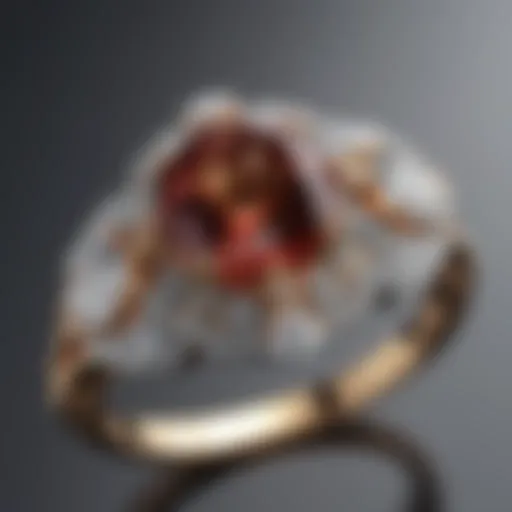
Rubies, known for their striking red hue, are available in a variety of shades, from deep crimson to lighter pinks. This color variation plays a significant role in the gem's appeal and pricing. The richest red, often referred to as "blood-red," tends to fetch the highest prices. Vibrant hues often symbolize passion and energy, making rubies sought after for engagement rings and other meaningful jewelry.
Contrastingly, lighter shades may be viewed as less valuable, but they often offer unique aesthetic characteristics that can appeal to a diverse range of tastes. This color spectrum widens the market for rubies, accommodating various preferences.
Historical Context
Rubies carry a weighty historical significance, cherished by royalty and in cultures around the globe. Throughout history, they have been associated with power and prosperity. Many believe these gems bring good fortune, a belief dating back centuries in regions like Southeast Asia. The historical context adds layers of depth to their allure, making them not just beautiful stones but symbols of status and legacy.
Sapphires
Types of Sapphires
When we delve into sapphires, most commonly recognized is the deep blue variety, but sapphires come in all shades, including pink, yellow, green, and even colorless. This diversity is a major part of their appeal. The different types often symbolize various traits—blue to represent wisdom, pink for love, and yellow symbolizes joy. This adds immense value because buyers can select sapphires that resonate with them personally.
However, the variety can also create confusion for buyers who may not know which type to invest in or wear. It’s important to understand these nuances to make educated choices.
Symbolism and Mythology
Historically, sapphires have been linked to divine favor and protection. In many cultures, they are believed to possess the power to protect the wearer from harm. This symbolism enriches the gemstone's narrative and makes it more than just an aesthetic choice. Buyers are often drawn to these stones not only for their beauty but also for their storied backgrounds and the tales they can share.
Emeralds
Quality Grading
Emeralds are often praised for their lush green color, but quality grading plays a significant role in determining their market value. Color saturation, clarity, and size are crucial factors in this grading process. A stunning, deeply colored emerald will significantly outperform a paler one in terms of desirability and price. The term "eye-clean" refers to stones without visible inclusions, and achieving this clarity is rare among emeralds, adding to the stone's allure.
However, due to their natural inclusions, many buyers are often caught off guard when they first learn that inclusions—often termed as "jardin" (French for garden)—are an accepted aspect of emerald value. Understanding this grading system is essential for anyone looking to invest.
Care and Maintenance
Emeralds have specific care needs that can differ from other gemstones. Recommended practices include avoiding exposure to harsh chemicals and extreme temperatures, which can lead to costly damage. Staying on top of their maintenance ensures they remain vibrant and intact. Understanding the unique care needed can help buyers appreciate their investment better and potentially stave off regrets later on.
Amethysts
Color Treatment
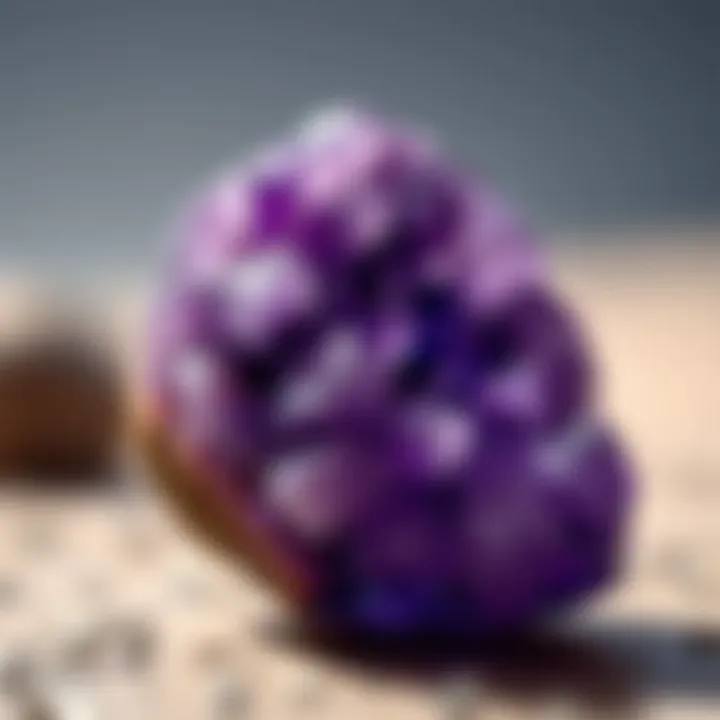
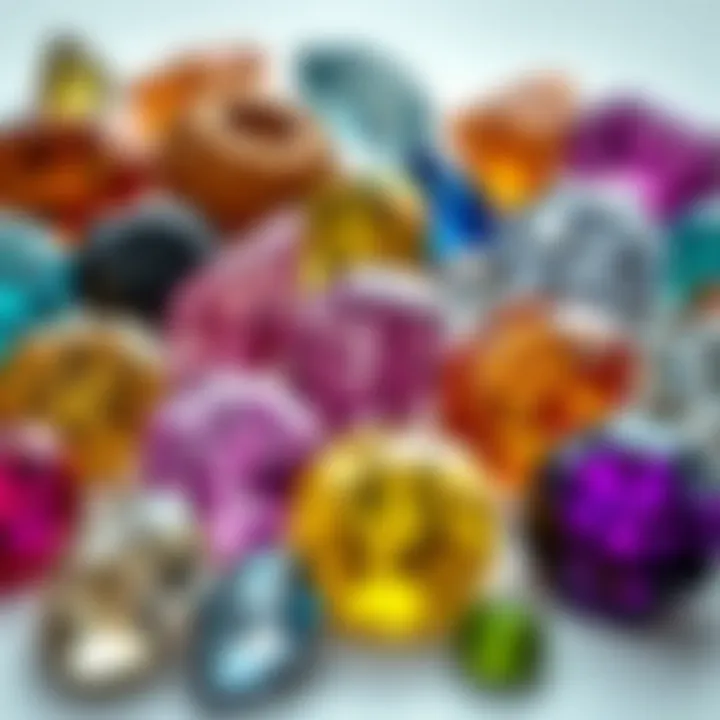
Amethysts, known for their purple hues, often undergo heat treatment to enhance color. This practice is common in the gemstone world and effectively brings out deeper tones. While many buyers may be aware of this treatment, it’s essential to understand its impact on the stone’s price and overall value.
The enhanced vibrancy can make amethysts more appealing, but the buyer should be informed, as some may prefer natural stones without treatments. Buyers must weigh their options carefully depending on their preferences and values.
Uses in Jewelry
Amethysts have found a place in many types of jewelry—from rings to pendants. Their color pairs beautifully with both white and yellow metals. They are sometimes favored for their versatility, appealing to both casual wearers and those seeking statement pieces. However, the soft nature of this stone—rated a 7 on the Mohs scale—means care must be exercised during wear and cleaning to avoid scratches or chips.
Aquamarine
Physical Properties
Aquamarine is admired for its serene blue shades reminiscent of ocean waters. This gemstone has a moderate hardness of 7.5 to 8 on the Mohs scale, making it relatively durable and suitable for everyday wear. The clear, translucent quality enhances its appeal, and it’s often set in both fine and fashion jewelry.
However, its relatively high clarity and light color can make it more susceptible to appearing washed out under certain lighting conditions, which presents a unique challenge for both makers and wearers.
Buying Guide
Metaphysical Properties
The study of metaphysical properties within the realm of gemstones extends beyond mere aesthetics. It delves into the intangible and often profound benefits these stones are believed to offer. For enthusiasts and collectors, understanding these aspects can enhance their appreciation and connection to their treasured gems. Many folks are drawn to gemstones not only for their visual appeal but also for the potential they have to influence well-being and spiritual health.
Healing Attributes
Many claim that specific gemstones possess unique healing attributes, which can aid in both physical and emotional healing. For instance, amethyst is often touted as a powerful healer, one that can calibrate the mind and encourage peacefulness. This purple-hued stone is frequently associated with stress relief and is believed to calm the nerves, making it ideal for meditation.
Similarly, rose quartz, often nicknamed the "love stone," is believed to attract love, foster compassion, and nurture emotional healing. Some even say it helps in reducing heartache and allows for emotional recovery.
When incorporating these stones into daily life, individuals might consider the following:
- Keep the stones in sight as a reminder of their attributes.
- Use them in meditation; holding the stone can focus the mind.
- Wear them in jewelry, using their energy as a protective physical barrier throughout the day.
"Gemstones are not just a feast for the eyes; they may serve deeper, more spiritual purposes that resonate with the essence of those who wear them."
Spiritual Significance
The spiritual significance of gemstones further enriches their allure. Each stone carries its own symbolism and is said to resonate with particular chakras or energy centers within the body. For instance, citrine, often referred to as the "merchant's stone," is believed to attract wealth and abundance. Its sunny, vibrant hue aligns with the solar plexus chakra, which governs personal power and self-confidence.
On a broader scale, many cultures around the world have revered gemstones for their spiritual qualities. Ancient civilizations, such as the Egyptians and the Sumerians, considered certain stones as vessels of protection and power. For instance:
- Lapis Lazuli was valued for connecting to the divine and promoting enlightenment.
- Turquoise has been associated with protection and prosperity.
Gemstone practitioners might incorporate these stones in rituals or use them to enhance spiritual practices, such as:
- Creating grids for meditation.
- Carrying them during ceremonies for enhanced energy.
- Displaying them in living spaces to create a harmonious environment.
Gemstone Care and Maintenance
Taking care of gemstones is no small beans; it’s quite an essential part of owning them. Whether you’re a seasoned collector, a budding jewelry designer, or just someone who appreciates the beauty of these rocks, understanding Gemstone Care and Maintenance is key to preserving their luster and value. Proper care maximizes their lifespan and ensures they stay as captivating as the day you laid eyes on them.
The importance of maintaining your gemstones transcends the aesthetic appeal; it encompasses their emotional and financial investment. Every scratch, cloud, or blemish on a gem chips away at its allure and potential value. Thus, adopting a proactive, rather than reactive, approach to care will serve you well in the long run.
Cleaning Techniques
Cleaning gemstones isn’t a one-size-fits-all gig. Different gems have unique compositions that require specific methods to prevent damage.
- Water and Mild Soap: For many gems like amethyst or aquamarine, a simple mix of lukewarm water with a touch of mild soap will do the trick. Just soak the gemstone for a few minutes, then gently scrub with a soft toothbrush, rinsing it under running water.
- Ultrasonic Cleaners: These nifty gadgets use sound waves to generate tiny bubbles that scrub away dirt without any touch. However, tread lightly here! Some gems, particularly softer ones, like opals or pearls, might not handle ultrasonic cleaners well.
- Avoid Harsh Chemicals: When it comes to cleaning, steer clear of abrasive materials or harsh chemicals. Substances like bleach can lead you down the garden path towards dull, damaged gemstones.

"Just as our skin needs gentle care, so too do our gemstones. Treat them gently and they will shine bright."
Storage Solutions
Storing your gemstones safely is as crucial as cleaning them. You wouldn't leave a diamond hanging out on your kitchen counter, right? Here are some fantastic storage tips to keep your gems safe and sound:
- Separate Storage: Keep each gemstone in a separate pouch or box to avoid scratches and friction. Consider using soft fabric bags or compartmentalized boxes.
- Temperature Control: Store your gemstones in an area where the temperature isn’t flipping from hot to cold. Sudden changes can cause fractures or even cracking, especially in stones like emeralds that have internal inclusions.
- Avoid Direct Sunlight: Some gems can fade when exposed to direct sunlight for extended periods. Storing them in a dark, cool place means they’ll stay vibrant and alluring.
- Secure Environment: If you can, invest in a safe or a locked drawer for your more valuable gemstones. It’s also prudent to create an inventory, tracking each gem’s details—like size, weight, and even location—so you always know what you have.
Selecting Gemstones for Jewelry
Selecting gemstones for jewelry is more than just picking shiny stones; it's an art, a science, and sometimes a matter of the heart. For enthusiasts and designers alike, understanding what makes a gemstone perfect for a piece of jewelry can significantly impact not only aesthetic appeal but also personal connections and emotional significance.
When embarking on the journey to select a gemstone, several key elements must be pondered. From color and clarity to cuts and settings, each factor plays a crucial role in the overall appeal of the jewelry piece. Not to mention, budgeting becomes an integral part of the selection process, navigating through preferences and personal finances. A thoughtful approach to selecting gemstones ensures a satisfying choice that resonates with the wearer while also serving practical purposes.
Factors to Consider
Color and Clarity
Color and clarity are often regarded as the cornerstones of gemstone selection. Color refers to the hue, saturation, and tone of a stone. A vivid sapphire blue or a deep ruby red offers an unmistakable allure. Clarity, on the other hand, speaks to how free the gemstone is from inclusions or blemishes. A stone with excellent clarity allows light to dance through it, enhancing its brilliance and spark.
- Why It Matters: Color can evoke emotions, while clarity can signal quality. A vibrant, clear stone often captures the eye and symbolizes rarity.
- Unique Features: High clarity stones shine more brightly and possess greater value in the market. A lower clarity stone, while possibly beautiful, might not have the same market demand. Here, collectors need to weigh visual appeal against potential resale value.“When choosing a gemstone, consider not just the beauty, but how well it reflects your personal narrative.”
Cuts and Settings
Cuts and settings bring life to gemstones, allowing them to reach their fullest potential. Cut refers to how the gem has been shaped and faceted. A well-cut stone reflects light flawlessly, adding depth and dimension. The setting, or the way a gem is mounted in a piece, can dramatically influence the overall design and stability of the jewelry.
- Why It Matters: A proper cut showcases the stone's beauty, while the right setting ensures durability and protection. Together, they contribute to the piece's functionality and elegance.
- Unique Features: Different cuts, like princess or emerald, can alter the gemstone's appearance significantly. A secure setting keeps it safe during daily wear, making it a critical aspect of design. Some settings may also enhance the gemstone’s size visually; thus, this aspect captures the designer's creativity.
Budgeting for Purchases
Budgeting isn’t simply about finding the cheapest option; it’s about understanding value. Gemstones come in a wide range of prices depending on their attributes, including rarity, quality, and historical significance. Setting a clear budget allows buyers to explore options without the shock of overspending.
- Planning Ahead: Recognizing how much you're willing to invest ensures you can select a stone that meets your standards, whether for daily wear or special occasions.
- Consider Resale Value: Some gemstones appreciate over time, while others hold more sentimental than financial value. Being equipped with knowledge helps buyers make informed decisions based on both emotional satisfaction and future financial implications.
Trends in Gemstone Jewelry
The landscape of gemstone jewelry is ever-evolving, shaped by a myriad of influences – from fashion trends to ethical considerations. Understanding these rhythms not only enhances one's appreciation of gemstones but also assists in making informed choices, whether you're collecting, designing, or simply wearing these precious stones.
Current Market Trends
In recent years, the gemstone jewelry market has seen some significant shifts. One of the most noticeable trends is the rise in demand for unique, colored gemstones, such as paradot or tourmaline, over the classic diamonds. Consumers are moving away from traditional expectations and opting for personal statements and individuality in their choices. This is further emphasized by the popularity of handcrafted jewelry, which often features rare stones and unique designs that tell a story.
In addition, social media platforms, particularly Instagram and Pinterest, have fueled interest by showcasing diverse ways to wear these stones, from elegant settings to bohemian styles. Jewelry designers are increasingly influenced by the preferences expressed on these platforms, pushing them to innovate continuously.
"The modern buyer seeks emotional connection, favoring gemstones that resonate with their personal narrative rather than mere status symbols."
Moreover, the trend of layering jewelry continues to gain traction, with enthusiasts stacking rings or mixing and matching necklaces of various lengths and styles. This not only creates a dynamic look, but also allows for the incorporation of various gemstones, showcasing their distinct qualities. As consumers seek to express their individuality, the jewelry market responds by diversifying its offerings to include more bespoke options and custom designs.
Sustainable Practices
Sustainability has become a cornerstone in the conversation around gemstone jewelry. Educated buyers are seeking ethically sourced stones, ensuring that their jewelry reflects their values. Mindful consumption is at the forefront, pushing brands to adopt more sustainable practices in their sourcing and manufacturing processes.
From using recycled materials for settings to employing ethical mining practices, many companies are now committed to transparency, allowing consumers to trace the origins of their stones. This not only satisfies an increasing demand for accountability, but also highlights the beauty of responsibly sourced gems.
Practices such as lab-grown gemstones are also becoming more prevalent. Lab-created emeralds, sapphires, and many other stones offer a sustainable alternative, with identical physical and chemical properties to their mined counterparts. This poses a double-edged sword; while it provides an environmentally friendly option, it also challenges traditional gemstone markets to reevaluate their values and practices.
Culmination
Understanding the significance of gemstones transcends their mere aesthetic appeal. In this article, we have explored the multifaceted dimensions that contribute to the allure of common gemstones. These stones are not just beautiful; they hold deep cultural and historical meanings, impacting economies and personal identities.
Importance of Economic and Cultural Insights
The economic value placed on gemstones drives not only commerce but also innovation in gem processing and design. Markets evolve with consumer preferences, which reflects broader cultural shifts. This means that as a gemstone enthusiast or collector, being informed helps you select pieces that are not just visually appealing, but also resonate with their historical and cultural narratives. The appreciation of gems thus merges personal taste with broader societal trends.
"Gemstones are treasures that hold stories within their glimmer, each cut and facet whispering tales of humanity's past and future."
Benefits of Care and Selection
We highlighted various factors to consider when selecting gemstones for jewelry and how proper care can extend the life of these precious items. Understanding proper cleaning techniques and storage solutions is essential to preserve the quality and sparkle of gemstones, ensuring that they can be cherished for generations to come.
The combination of historical context, market dynamics, and practical advice on selections and maintenance cements the idea that gemstones are much more than mere rocks; they are vessels of human expression, resilience, and beauty. Gemstone enthusiasts, collectors, and designers alike can benefit immensely from recognizing these relationships and implications in their pursuits.