
Understanding Diamond Colour: A Comprehensive Guide
Intro
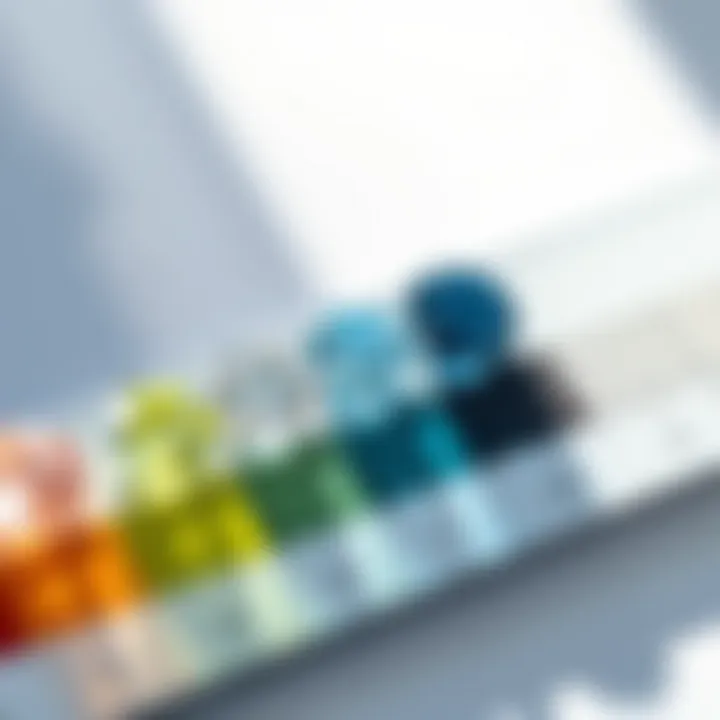
When it comes to diamonds, one of the most captivating aspects is their colour. Not merely a surface feature, diamond colour can define quality and influence value more than one might initially think. In this guide, we’re set to unravel the intricacies not just of colour grading but also how it relates to gemstone quality and personal taste.
Understanding the grading scales, the aesthetic implications of various colours, and how these factors interplay in the realm of pricing can provide valuable insights for diamond enthusiasts, collectors, and prospective buyers alike. Whether you aim to purchase your first diamond or deepen your appreciation for these luxurious stones, this guide will focus on how colour greatly impacts not only the diamond's allure but also its market value.
To start, let’s delve into the broader world of gemstones to see just where diamonds fit into the grand scheme of things.
Gemstone Overview
Definition of Gemstones
Gemstones are defined as precious or semi-precious stones that are cut and polished for use in jewelry. They can be made of mineral crystals, organic materials, or even synthetically produced stones. While diamonds grab the spotlight due to their strength and brilliance, they are just one member of a diverse family of beautiful minerals. Different gemstones exhibit varying characteristics, including colour, clarity, cut, and carat weight.
Classification of Gemstones
Gemstones can be classified in various ways, but the primary classifications range between precious and semi-precious stones. Diamonds, sapphires, rubies, and emeralds fall under the precious category due to their rarity and demand. In contrast, semi-precious stones include garnets, amethysts, and peridots which, while beautiful, are generally more abundant and less costly.
Furthermore, gemstones can be categorized based on their mineral composition, origin, or even their metaphysical properties.
- Natural Gemstones: Found in nature, these have not undergone any synthetic alterations.
- Synthetic Gemstones: Man-made alternatives that often mimic the structure and beauty of natural stones.
- Organic Gemstones: These originate from biological processes, such as pearls and amber.
To grasp the nuances of diamonds specifically, we must not forget how historical significance intertwined with the concept of gemstone appreciation and value.
Historical Significance
Origins of Gemstone Use
Gemstones have a long-standing history, often intertwined with cultural practices, trade, and symbolism throughout human civilization. Early humans likely discovered these sparkling rocks' aesthetic qualities and started using them as ornamentation or status symbols. Diamonds, in particular, have been sought after for centuries, believed to empower the wearer with strength and invincibility.
Cultural Insights: Gemstones in Ancient Civilizations
From ancient Egypt to the royal courts of India, gemstones like diamonds were symbols of wealth and power. The Egyptians often adorned their pharaohs with diamond-encrusted jewelry, while in India, diamonds were prized for their mystical properties. During these times, jewellers began to understand that not all diamonds were created equal, leading to the creation of initial grading methods.
Diamonds once lit the crowns of kings, reflecting both their purity and strength, forever engraving their value in history.
By exploring the culture, value, and significance of diamonds through time, we gather insights that inform their modern perception and grade today.
As we progress through this guide, we'll delve deeper into diamond colour grading and its impact on value, revealing the intricate balance of nature and personal preference that underpins a diamond's ultimate worth.
The Nature of Diamond Colour
Understanding diamond colour is central to appreciating these gemstones and their value. Colour acts as a defining element in the world of diamonds, directly affecting how they are viewed both aesthetically and monetarily. A knowledgeable buyer will recognize that colour transcends mere appearance; it's a crucial aspect influencing everything from market pricing to personal preference in selection. Grasping the concept of diamond colour can lead to more informed decisions, whether one is a seasoned collector or a first-time buyer.
Definition of Diamond Colour
When we discuss diamond colour, we’re generally referring to the hue that emits from the gemstone when exposed to direct light. Diamonds can actually present a broad spectrum of tones; however, the most notable grading falls within a specific range—usually considered to be between D, which marks a completely colorless state, to Z, where subtle shades of yellow or brown begin to emerge. The nuances of these colour grades can be surprisingly intricate. For many, a completely colourless diamond—labeled as D—represents the epitome of beauty and value.
While the typical perception of diamond colour might focus on this grading scale, one must also consider how individual preferences can influence what is deemed attractive. Diamonds are unique! And so are the tastes of those that admire them. Thus, defining diamond colour can be multi-dimensional; it intertwines technical grading with personal aesthetics.
Factors That Influence Colour
A variety of factors contribute to the final colour of a diamond. To begin with, the chemical composition plays a pivotal role. Most diamonds are made of carbon, but trace elements can alter how a stone appears. For example, the presence of nitrogen can create a yellow hue, while boron may lend a blue shade. Furthermore, the diamond's structure can lead to differences in how light interacts with it. Uneven crystal formation may produce variations in colour that can catch the eye differently as one shifts the angle.
Moreover, external influences such as pollution or exposure to certain chemicals can also change how a diamond appears over time. Choosing a setting that complements or contrasts the diamond's colour can enhance its appearance further. Indeed, understanding these factors allows both gemologists and buyers to appreciate diamonds as more than just gems; they are reflections of nature transformed by various circumstances.
The Role of Light in Perceived Colour
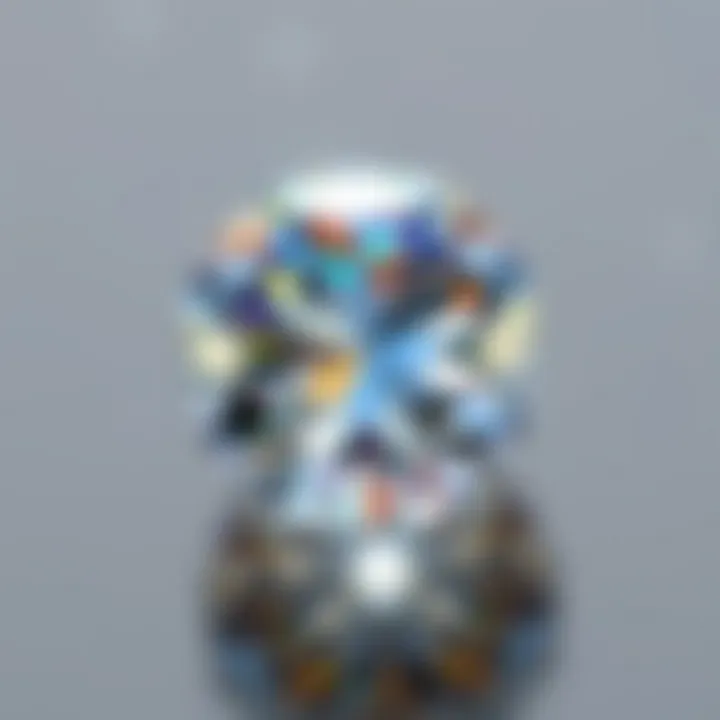
Light has an undeniable influence on how we perceive a diamond's colour, and this can sometimes lead to confusion. The ideal lighting conditions will reveal a diamond's true depth and hue, whereas poor lighting can obscure or exaggerate its tones. For instance, under incandescent lights—which emit a warm glow—diamonds may appear slightly yellowish, whereas they could appear more colourless in natural daylight.
Additionally, the type of light source plays a significant role. Fluorescent light can shift the colour perception toward a cooler spectrum. Hence, when selecting a diamond, it's wise to view it under various lighting situations to get a holistic understanding of its colour dynamics. So, while grading scales provide a great framework, one should experiment with light settings to fully grasp the beauty of a diamond's unique colour characteristics.
"Light isn’t just essential for clarity, it’s the heart of colour perception in diamonds."
In summary, the nature of diamond colour is a blend of science, environmental factors, and personal taste. With this understanding, one can appreciate the complexity and charm that diamonds offer, leading to wiser choices in purchasing or simply admiring these timeless treasures.
The Colour Grading Scale
The diamond colour grading scale is a fundamental aspect of understanding how diamonds are evaluated. As any gemologist knows, the stone’s colour greatly affects its overall quality and, consequently, its market value. It allows buyers and sellers alike to communicate more effectively about diamond attributes. An informed buyer can make better choices, often leading them to a superior investment in terms of both aesthetic beauty and financial value.
The grading scale brings an element of objectivity into what is often a subjective arena. Knowing precisely where a diamond falls on this scale not only guides purchasing decisions but also demystifies the often arcane language of jewelers. Without such a standard, discerning the quality of a diamond can feel like searching for a needle in a haystack.
Prologue to the GIA Colour Scale
The Gemological Institute of America (GIA) is one of the most respected organizations in the world of gemology. Their colour scale has become the gold standard for grading diamonds. The scale runs from D to Z, with D representing completely colourless diamonds and Z indicating diamonds with noticeable colour.
One of the interesting quirk of this grading system is that despite the beauty of colourless diamonds being highly sought, many consumers overlook the subtle tones that fall later on the scale. To many, a G or H diamond may appear just as stunning as a D, allowing for potential budget-conscious buying without sacrificing beauty.
Understanding the to Z Scale
The GIA colour scale is deceptively simple, yet it packs a lot of critical information about each diamond. It delineates the nuances of diamond colour, categorizing them as follows:
- D: Colourless - Considered the highest quality, these diamonds exhibit no colour whatsoever.
- E and F: Colorless - Still near colorless, these might show negligible colour when examined closely by expert eyes only.
- G to J: Near Colourless - While these diamonds may have slight hints of colour, they remain visually appealing, especially in settings where the gold can complement them.
- K to M: Faint - These diamonds show subtle tones, often bearing hints of yellow or brown.
- N to Z: Light to noticeable colour - These diamonds can have distinctly visible hues that may affect their desirability.
Understanding this range is crucial. Less colour means greater value, but that does not mean colour versions are undesirable; the choice often comes down to personal preference and desired aesthetics.
Characteristics of Each Colour Grade
Each grade within the GIA scale represents a combination of elements that contribute to the stone’s overall impression. Here’s a breakdown of how each grade can present visually:
- D, E, F Grades: Typically appear brilliant white, reflecting pure light without any discernible tint. They tend to sparkle more intensely in the light, making them more desirable for high-quality pieces.
- G, H Grades: These diamonds still look stunning in rings or earrings, especially when set in white metals like platinum or white gold. The contrast tends to mask any slight tints, providing a perceptive view that's both rich and appealing.
- I, J Grades: Show minor color, yet they still offer a lively appearance in settings that enhance their beauty. They often offer excellent value for buyers.
- K to Z Grades: Generally more affordable but can offer a unique charm when selected for specific preferences. They may be suitable for someone who prefers yellower stones or when set in yellow gold settings, creating a warm glow.
The importance of understanding these grades lies in making informed choices that align with personal style and budget. By knowing what each grade represents, buyers can more confidently approach their selections, ensuring both satisfaction and value.
Factors Affecting Value
Understanding the various elements that influence a diamond's value is crucial for both buyers and sellers. This section delves into how colour, rarity, and current market trends shape the pricing and desirability of diamonds. Knowing these factors not only equips enthusiasts with necessary knowledge but can also enhance their appreciation for these beautiful stones.
Impact of Colour on Pricing
Colour plays a significant role in determining a diamond's price. The grading scale, particularly the GIA scale, evaluates diamonds based on their colour, ranging from D (colorless) to Z (light yellow or brown). Each grade affects pricing based on perceived quality. In simpler terms, the finer the grade, the steeper the price tag.
- D Colour Diamonds: Command the highest prices due to their lack of colour, often considered the purest.
- G to J Colour Diamonds: Offer great value, perceived as almost colorless but substantially lower in price.
- K to M Colour Diamonds: Often appear slightly tinted, making them more affordable for buyers on a budget.
Thus, when checking diamonds, be vigilant about their colour grade, as it directly ties to pricing. Even small shifts in grading can lead to large differences in dollars.
Rarity and Its Relation to Colour
Rarity doesn't only add to the jewel's mystique; it also substantially impacts value. Coloured diamonds, often referred to as fancy diamonds, can fetch far higher prices compared to their colorless counterparts due to their uncommon nature. For instance, a pink diamond or a deep blue diamond can lead to jaw-dropping price tags.
- Pink Diamonds: These are very rare, with prices that can soar into millions per carat. They are unique and sought-after.
- Blue Diamonds: With their stunning hue and rarity, they are a significant investment.
The rarity of certain colours plays a pivotal role in pricing. Collectors and investors alike see them as valuable assets, further driving demand and price. In essence, the fusion of colour rarity and market demand may escalate a diamond's worth to incredible heights.
Market Trends and Demand

Market sensitivities to trends significantly influence diamond prices. As fashion evolves, so do consumer preferences. For instance, if yellow diamonds rise in popularity, emerging designs in jewelry could push prices higher due to increased demand. Past years have shown fluctuations based on trends that originate from celebrities sporting unique diamond colours or changes in wedding traditions.
- Emerging Trends: For example, today, the vintage appeal and unique hues are becoming more popular. As a consequence, diamonds with distinct characteristics might see a boost in value.
- Sustainability Concerns: With a growing focus on ethical sourcing, there has been a notable impact on prices associated with sustainably sourced diamonds.
Ultimately, staying informed on market dynamics is vital for anyone involved in the diamond industry. Trends can reshape value, often in the blink of an eye. The connection between the evolving market and valuation creates a dynamic atmosphere for gem enthusiasts and investors alike.
Common Misconceptions About Colour
Understanding diamond colour is not just about grading and pricing; it also involves debunking some widespread misunderstandings that could skew perceptions. Clarity in these misconceptions paves the way for more informed decisions, especially for those venturing into the diamond market. Knowing what’s fact and what’s mere noise can significantly enhance one's appreciation for these gemstones.
The Myth of Pure Colourlessness
One of the most persistent beliefs is that diamonds should be completely colourless to hold their value. While it’s true that high-quality diamonds often exhibit a near-colorless appearance, expecting absolute colourlessness may lead one down a rabbit hole of disappointment. In reality, a diamond can display a range of subtle hues, often classified on a scale that runs from D (colourless) to Z (light yellow, brown, or grey).
More importantly, the idea of purity can detract attention from other aspects of a diamond that contribute to its allure, such as brilliance and fire. Depending on the individual’s preferences, some might even prefer a faint tint that can create a unique character in the stone. Moreover, there exist intriguing varieties, known as fancy diamonds, that flaunt colours ranging from soft pastels to vibrant hues, completely defying the notion that colourlessness equals beauty or value.
Colour and Clarity Confusion
Another common pitfall lies in the overlapping perceptions of colour and clarity. Some buyers mistakenly equate a diamond's lack of visible colour with superior clarity. However, these aspects are distinct attributes that should not be conflated. Colour affects the visual impact of the diamond, while clarity speaks to the presence of inclusions or blemishes within the gem.
A diamond might boast excellent clarity but still possess a subtle tone that diminishes its aesthetic appeal in certain lighting. This means that while a clear stone might catch one’s eye, the overall brilliance can often hinge on the interplay between colour and clarity. For a deeper understanding, consider that a diamond with a well-distributed colour can seem more mesmerizing, contributing to its value and desirability.
"Color and clarity are like two different artists painting a picture, each one contributing to the masterpiece that is a diamond."
Finale
In summation, separating myth from reality when it comes to diamond colour is crucial not only for buyers but also for sellers and enthusiasts alike. By recognizing and addressing these common misconceptions, individuals can appreciate their choices in a more nuanced way. Getting the lowdown on what really matters—beyond the black-and-white categorizations—will lead to a more satisfying diamond-buying experience.
For further reading, you may refer to resources from Gemological Institute of America, or explore community discussions on platforms like Reddit. Remember, knowledge is power, and in the diamond world, it sure can sparkle.
Personal Preferences in Colour Selection
When it comes to selecting the right diamond, personal preferences in colour play a pivotal role. The choices made by a buyer can be greatly influenced by a host of factors, including individual taste, current fashion trends, and cultural connotations associated with certain colours. Diamonds, unlike many other types of gems, are profoundly personal; the stone you choose often reflects not just an aesthetic choice, but an emotional one as well.
In the world of diamonds, personal taste transcends basic colour classifications. Each colour has its own allure and characteristics. For instance, while some may gravitate towards a classic D colour (essentially colourless), others might prefer the warmer tones that can range from G to J. This preference can be influenced by the settings where the diamond will reside. A diamond on a yellow gold band might appear more dazzling with a slightly tinted stone, while one set in platinum would enhance the icy brilliance of a near-colourless diamond.
Influence of Fashion Trends
Fashion trends significantly impact how people view and select diamond colours. Just like clothing styles, diamond preferences can shift with the seasons or as new styles hit the runway. Take for instance the adoption of rose gold settings, which have surged in popularity. Paired with a light pink diamond, this combination can be strikingly appealing and captures the zeitgeist of contemporary elegance.
Additionally, celebrities frequently influence these trends. A high-profile engagement ring from a pop culture icon can set the diamond colour of choice in motion, swaying the masses to seek similar options. Whether it’s the blush tones or more traditional icy diamonds, the ripple effect of such trends is undeniable.
Some buyers resist these trends, preferring to stick with what they know or love, while others are more adventurous, inspired by the lasting impressions of these noteworthy figures. This interplay between personal preference and the influence of fashion creates a rich tapestry of choices within the diamond market, showcasing individuality.
Cultural Significance of Colour Choices
Cultural context also shapes personal preferences. Across different cultures, colours can carry unique meanings and values, which may inform your choice of diamond tone. For example, in some Eastern cultures, yellow diamonds symbolize prosperity, making them more desirable. Meanwhile, in the West, a classic white diamond is often associated with purity and eternal love.
This notion can shift based on social milieu, where different faiths or cultural beliefs might prioritize specific colours. A buyer's background may influence their attraction to certain hues, shaping the selections available in marketplaces.
Moreover, weddings and significant life events often dictate colour preferences. In various cultures, the colour of a diamond might align with specific traditions, making a seemingly personal choice laden with deeper significance.
Ultimately, incorporating personal preferences in colour selection isn't just about enhancing beauty; it's also about reflecting identity, heritage, and values.
Exceptional Diamonds: Fancy Colours
Fancy coloured diamonds, unlike their traditional counterparts, bring a splash of vibrant hues to the gemstone market. Their allure lies not just in their kaleidoscopic appearances but in the stories they tell—a veritable feast for collectors and enthusiasts. This section delves into the wondrous world of fancy diamonds, providing insights into what sets them apart, the grading system they adhere to, and their perceived value within the diamond landscape.
Preface to Fancy Coloured Diamonds
Fancy coloured diamonds come in a spectrum of colours, ranging from rich yellows and blues to vivid pinks and purples. These diamonds are categorized as "fancy" due to their intense saturation and tonal qualities, which distinguishes them from the colorless diamonds typically associated with classic engagement rings. The production of these gems is rare, often resulting from unique geological processes that infuse them with their distinct hues.
Collectively, these diamonds create market niches that cater to the tastes of collectors while also presenting investment opportunities. For builders of jewelry collections, fancy diamonds are a gamble that might pay off significantly if one strikes gold—figuratively speaking, of course. Their unique properties appeal to those who seek not just beauty, but also a piece of history embedded in every facet.
Grading Fancy Colours
Grading fancy coloured diamonds hinges on a separate set of criteria relative to the GIA scale used for colorless diamonds. The primary factors include:
- Hue: The actual color of the diamond, such as blue, green, or yellow.
- Tone: Refers to the lightness or darkness of the colour. It ranges from light to dark, with medium often being most desirable.
- Saturation: The intensity or vividness of the hue, which significantly impacts value. Higher saturation generally corresponds with higher prices.
The established grading scale, ranging from faint to vivid, allows experts to classify these diamonds systematically. A diamond graded as "vivid" carries a heftier price tag and is often considered more desirable. Collectors must pay attention to these grading nuances, as they directly influence both aesthetic appeal and market value.
The Value of Rarity in Fancy Diamonds
Rarity is a fundamental driver of value in the world of fancy coloured diamonds. While traditional diamonds also command high prices, the unique colors, especially those like deep blue or blood-red, often skyrocket in valuation. The connection between rarity and demand means that investors and collectors alike must stay attuned to market trends and individual auction results.
As with any fiercely coveted item, there's the gamble of availability. For instance, a fancy pink diamond may be available today, but tomorrow—who knows. Consequently, savvy collectors tend to snap these up quickly when they appear on the market.
"The allure of fancy diamonds is not simply their beauty, but their uniqueness—a true gem in every sense."
In summary, fancy coloured diamonds are not only stunning but also rich in investment potential. Their beauty and rarity place them in a league of their own and make them a cornerstone of luxury collections. As you dive deeper into the realm of diamonds, understanding these exceptional specimens can open new avenues of appreciation and investment.
The Future of Diamond Colour Grading
The diamond industry is at a crossroads, especially when it comes to colour grading. As consumers become more educated and discerning, the need for clear and accurate diamond grading systems grows by leaps and bounds. This section explores how technology is transforming grading practices and discusses the shifting standards within the industry that promise a new horizon in diamond assessment.
Technological Advancements in Grading
In recent years, technological advancements have significantly shifted the landscape of diamond colour grading. Tools like artificial intelligence and machine learning are designed to improve accuracy and consistency in colour assessment.
Recent developments include the use of advanced spectrometers, which analyze light wavelengths more precisely than the naked eye. These devices can detect subtle variances in colour that a human grader may overlook. With such tools, jewelers and gemologists can make more informed decisions, leading to increased consumer confidence. Furthermore, when graders utilize high-quality imaging and data analysis software, the grading becomes more standardized, which is crucial for buyers wondering about the quality of their investment.
Another noteworthy advancement is the emergence of blockchain technology. This innovation ensures a transparent and secure way to record and verify diamond transactions, including their colour grades. By storing grading data on a blockchain, buyers can trace back a diamond's history, thus enhancing trust between parties in a transaction. This added layer of verification could revolutionize how consumers perceive grading and quality assurance in the diamond market.
Evolving Standards in the Industry
As technology improves, so too do the standards by which diamonds are graded. Historically, the GIA scale has been the benchmark for colour grading. However, with varying consumer perceptions and the continuous influx of new grading systems, traditional grading might fall short in meeting modern demands.
The industry is seeing a shift towards more inclusive grading practices, which recognize various cultural interpretations of colour. For instance, some buyers prefer slightly warmer hues or more unique shades that might not fit neatly into the conventional D-Z spectrum. Industry experts are noticing an increasing acceptance of such preferences, prompting discussions about creating more flexible grading categories.
Moreover, institutions are also working to unify standards across regions to prevent confusion and misrepresentation. By establishing clearer guidelines, the industry can enhance accountability and foster a more educated consumer base. In doing so, diamond grading can evolve into a practice that not only measures physical attributes but also considers emotional connections and personal preferences, which are so crucial in the realm of luxury and adornment.
As the diamond grading landscape changes, the focus is shifting towards transparency, accuracy, and consumer education. A diamond’s colour can tell a unique story, and evolving standards aim to embrace that uniqueness.
The End
The conclusion of this article serves as a vital recap of the elements discussed, emphasizing the centrality of colour in the world of diamonds. Understanding diamond colour is not merely an academic exercise; it has far-reaching implications on the stones' aesthetics, value, and marketability. Recognizing how colour influences a diamond’s price can empower both buyers and sellers to make informed decisions.
Summarizing the Role of Colour in Diamonds
In the realm of precious stones, colour plays an indispensable role. Diamonds, often revered for their clarity and brilliance, are equally assessed for their colour characteristics. The GIA colour scale, ranging from D (colourless) to Z (light yellow), provides a framework for evaluating the hue of a diamond.
- Clarity and Colour: One’s choice of colour should be considered alongside clarity; a lower colour grade can sometimes be counterbalanced by superior clarity.
- Personal Preference: The emotional connection to colour varies from person to person, making it essential to resonate with what appeals personally, rather than strictly adhering to market trends.
- Investment Potential: Higher colour grades typically signify a more precious commodity. Therefore, for collectors, prioritizing top-tier colours could be seen as a strategic investment move.
Ultimately, colour is not just an aesthetic detail; it intertwines with the overall experience of selecting and valuing diamonds.
Final Thoughts on Choosing the Right Colour
Choosing the right diamond colour is a nuanced decision that encapsulates individual taste, lifestyle, and intended use of the gemstone. Factors such as setting, skin tone, and personal style should significantly influence one’s choice.
- Assessing with Intention: It is advisable to examine diamonds in various settings and lighting to get a sense of their actual appearance, as different contexts can radically alter perception.
- Trends vs. Timelessness: While it may be tempting to follow the latest fashions in jewellery, a timeless colour that reflects an individual’s unique personality often stands out more meaningfully.
- Educating Yourself: Engaging with reputable sources and listings—such as those found at GIA, Britannica, or Reddit—can enhance your understanding and confidence in making the right colour choice.
In summary, the choice of colour in diamonds should blend subjective preference with objective knowledge. Recognizing the subtleties of colour and its implications can greatly enhance the satisfaction and value derived from these magnificent gems.