Understanding the Value of Gemstones in the Market
Intro
Gemstones have fascinated humanity for centuries. These stunning natural treasures capture our imagination not just because of their beauty, but also due to their intrinsic and monetary value. When one thinks about gemstones, their dazzling colors and rare availability often come to mind. However, the value of a gemstone isn’t merely a matter of sparkle; it’s a complex interplay of various elements. Market trends, geological origins, and appraisal methods all play a significant role in determining their worth.
Gemstone Overview
Definition of Gemstones
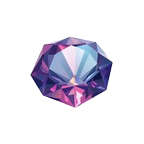
At their core, gemstones are mineral crystals, or sometimes organic materials, that have been cut and polished for adornment or collection. While many identify gemstones as precious or semi-precious, the distinctions made in classifications can often be subjective and vary with market trends. Notably, some may consider diamonds and rubies to be precious, whereas others might also include opals and turquoise in that category due to their unique attributes and desirability.
Classification of Gemstones
Gemstones can be classified in several ways, each offering insights into their respective values:
- Natural Gemstones: These are formed through natural geological processes without human intervention. Examples include sapphires and emeralds.
- Synthetic Gemstones: Created in labs, synthetic stones often exhibit characteristics similar to their natural counterparts but can be produced more affordably. Moissanite being a notable example.
- Organic Gemstones: Formed from biological processes, these include pearls and amber, each telling a unique story about life forms that once existed.
- Composite or Treated Stones: These are natural stones that have been enhanced through treatments to improve appearance or durability. A widely recognized case is that of treated sapphires.
Understanding these classifications is fundamental for any gemstone enthusiast or collector. It not only assists in determining the quality and authenticity but also helps in grasping an object’s historical and cultural narratives.
Historical Significance
Origins of Gemstone Use
Throughout history, gemstones have been cherished across cultures. From ancient Egypt, where turquoise adorned the ceremonial tombs, to Indian royalty, renowned for their opulent diamond-studded jewelry, the value attributed to these stones transcends mere monetary worth. They've often been viewed as symbols of power, protection, and healing.
Cultural Insights: Gemstones in Ancient Civilizations
In ancient civilizations, gemstones served multifaceted purposes:
- Religious Artifacts: Many cultures believed that specific gemstones held protective powers. For example, the Egyptians used lapis lazuli in burial rituals, thinking it would safeguard souls in the afterlife.
- Trade and Economy: The Silk Road is a perfect example, where gemstones traveled far and wide, shaping economies and even lifestyles along the way. Their rarity drove trade and brought about the exchange of ideas and cultures.
- Artistry and Craftsmanship: Cultures such as the Greeks and Romans prized intricate jewelry adorned with various gemstones, showcasing craft skills and artistic expression. This aspect often added layers of cultural heritage to each piece.
Understanding the historical significance of gemstones adds depth to their valuation. It connects the essence of these stones to human experience and cultural heritage, giving buyers and collectors more than just monetary incentives to cherish these natural wonders.
In the following sections, we will explore valuation techniques and market dynamics that will further illuminate how to assess the worth of these extraordinary treasures.
Prolusion to Gemstone Valuation
The world of gemstones is not just about their physical beauty; it's a complex tapestry of tradition, culture, and economics. Understanding gemstone valuation is critical for anyone involved in buying, selling, or simply appreciating these natural wonders. Knowing what influences the worth of a gemstone can significantly enhance both the acquisition and appreciation process, equipping buyers with the insights they need to make informed decisions.
When exploring the nuances of gemstone valuation, one must consider multiple facets. These include the historical significance of gemstones, current market trends, and the intricate methodologies employed to assess their value. Gemstones have historically symbolized wealth, status, and even power, making their valuation a point of interest for collectors, investors, and enthusiasts alike. By grasping the principles of valuation, individuals not only navigate transactions more wisely, but also gain a deeper understanding of the gems they admire.
Benefits of Understanding Valuation
- Empowerment in Purchases: With a solid understanding of what a gemstone is worth, buyers can avoid the pitfalls of overpaying or being misled.
- Investment Knowledge: For those looking to invest, recognizing value can facilitate better decision-making in terms of market trends and future worth.
- Cultural Insight: Each gemstone carries its own story and significance. Understanding their value can lead to a greater appreciation of their cultural backgrounds.
Considerations in Valuation
In the journey of gemstone valuation, several considerations come into play:
- Rarity and Quality: Not every gemstone is created equal, and those that are rarer or of better quality will typically command higher prices.
- Market Conditions: Fluctuations in market demand can dramatically influence gemstone prices, making timing an essential aspect of any purchase or investment.
- Documentation: Certifications from reputable gemological institutions can add legitimacy to a gemstone's value, engaging both buyers and sellers with confidence.
Ultimately, understanding gemstone valuation is an enriching experience. It deepens the connection one has with these stunning specimens of nature while fostering a sense of mastery over a fascinating domain. As we delve deeper into the historical and modern frameworks of valuation, we'll uncover the layers that make gemstones both beautiful and valuable.
Key Factors Influencing Gemstone Value
Understanding the key elements that determine gemstone value is tantamount to grasping the broader marketplace dynamics. Each gemstone tells a tale of its own, often intricately woven through time, locality, rarity, quality, and demand. This section digs deeper, illuminating the critical factors that underscore the valuation of gemstones, painting a vivid picture for enthusiasts, collectors, and designers alike.
Rarity and Availability
In the world of gemstones, rarity is often the shining star that commands attention. When a stone is scarce in nature, it tends to tickle the fancy of collectors, resulting in higher prices and fervor around its ownership. For instance, the striking green of an emerald is not just captivating; its limited sources from Colombia, Brazil, and Zambia enhance its allure. Conversely, a gemstone-like quartz is more common and typically doesn’t carry the same weight in valuation.
A savvy buyer should consider the sources of gemstones as well as their current supply chain. As mining practices evolve and certain deposits are exhausted, the availability of specific gemstones can dwindle, influencing their market value. Furthermore, geopolitical dynamics can also affect accessibility to stones, making rarity a complex interplay of natural and human factors.
Quality and Certification
Quality stands at the forefront of gemstone evaluation. It doesn’t just reflect the stone’s appearance; it encompasses factors like clarity, color, and cut. Each of these attributes plays a significant role in establishing the gem's overall worth, and obtaining certification from reputable institutions can also bolster a gemstone's pedigree.
Gemstone Clarity


Clarity is a critical component in assessing gemstone quality. Higher clarity often translates to fewer inclusions and blemishes, which can make a stone more desirable and valuable. For example, a flawless diamond fetches a much higher price than one with noticeable inclusions. Buyers should be wary, however; clarity grading can be somewhat subjective, hinging on the eye of the beholder. Certifications from gemological institutions can clarify this ambiguity, lending credence to the stated clarity and providing peace of mind to potential buyers.
Color Grading
Color grading is another pivotal factor in determining a gemstone's value. Various shades and tones can influence desirability significantly. For instance, in sapphires, a rich, intense blue can command massive premiums, while a lackluster hue might render the same stone much less valuable. Color also has the potential to attract different buyers; vibrant gemstones can often find their way into high-end jewelry, increasing their worth. However, personal taste plays a formidable role, and some buyers might prefer a unique or uncommon color over market-favored shades, creating an intriguing paradox.
Cut Quality
Cut quality affects how well a gemstone reflects light and showcases its unique features. A well-cut stone can enhance color and brilliance, while a poor cut can do the opposite, diminishing the stone's value significantly. For instance, an expertly cut round brilliant diamond is typically much more sought after than a poorly cut one, even if they share similar carat weights. Additionally, innovation in cutting techniques continues to evolve, influencing market trends and preferences among top jewelers and buyers alike.
Market Demand and Trends
Market demand and trends serve as the heartbeat of gemstone valuation. What might be hot today could become yesterday's news just as quickly. Factors such as fashion, celebrity endorsements, and even the rise of social media can impact the desirability of certain gemstones. Take, for instance, the renewed interest in colored stones over traditional diamonds; trends can dictate purchasing patterns and market values significantly.
Realistically, anyone looking to navigate the gemstone market should keep their ear to the ground regarding trends. Following industry experts, attending gem shows, and engaging in online forums can provide critical insights into what's bubbling beneath the surface. Completing thorough research ensures that potential investors are not left with overpriced stones that have lost their luster in the marketplace.
"To understand the value of gemstones is not just about their shine but comprehending the entirety of their story—from the earth to the jewelers’ bench and ultimately to the consumers' hands."
Through careful consideration of rarity, quality, and market trends, one can forge a deeper connection with the gemstones they admire and invest in, bringing a level of knowledge that empowers both purchases and appreciation.
Evaluating Gemstones: Tools and Techniques
Evaluating gemstones is no small feat. It requires not just an eye for beauty but an understanding of various technical aspects. In this article, we’ll explore the tools and techniques that gemologists and enthusiasts alike rely on to assess the quality and value of gemstones. We’ll delve into the specific characteristics these tools measure, the advantages of using them, and the pitfalls of relying solely on one method.
Ultimately, the accuracy of a gemstone evaluation hinges on a blend of technology and experience, making it vital for both collectors and investors.
In-depth Appraisal Processes
When it comes to the valuation of gemstones, an in-depth appraisal process can shine a light on the true worth of a stone. This process entails multiple steps, including initial observation, grading, and documentation of various factors such as clarity, color, and carat weight. Each stage requires careful consideration, as the cumulative information leads to a more accurate valuation.
One might think that simply examining a gemstone under natural light is enough, but that's just the tip of the iceberg. The appraisal should be thorough, often involving multiple gemologists to ensure an unbiased evaluation. Simply put, this backend work forms the backbone of any capitalization on gemstones, ensuring that when you purchase a stone, you’re not just paying for its pretty face but for its genuine worth.
Gemological Instruments for Assessment
Refractometers
Refractometers are a staple in gemstone evaluation, utilized to measure the refractive index of a stone. This specific aspect helps determine how light bends as it passes through the gemstone. By knowing this value, gemologists can identify the type of gemstone swiftly.
A key characteristic of refractometers is their precision. This makes them a popular choice in gemstone evaluation because they yield reliable results in real time. A unique feature is that they can be calibrated for different stones, thus maximizing accuracy.
The one downside is the potential for misinterpretation if used incorrectly, so a trained eye is needed to interpret the readings effectively. It’s not a one-size-fits-all solution but rather a significant part in the toolkit of a gemologist.
Spectroscopes
Spectroscopes allow for a more detailed analysis by splitting light into its component colors. This specific aspect is crucial for identifying the elemental composition of a gemstone, which can significantly affect its value.
An important benefit of using spectroscopes lies in their ability to reveal the gemstone’s unique characteristics that may not be visible to the naked eye. What sets them apart is their ability to assist in distinguishing between natural and synthetic gemstones based on how they absorb light.
However, they can be complex to use for beginners and require some practice to become adept at interpreting the results, which can necessitate additional training.
Microscopes
Microscopes provide an in-depth view of a gemstone’s internal structures, which can often reveal clues about its origin and quality. This specific aspect allows gemologists to identify inclusions and other imperfections that could distort value assessments.
A key characteristic is their versatility—high-powered microscopes can offer clarity and detail that lower-grade instruments can’t match. Consequently, they are an invaluable asset in gem valuation. The unique feature of microscopes is their capacity to magnify minuscule details, allowing for a deeper investigation.
On the downside, unless you're aiming for a professional-grade assessment, the expense and setup required for high-quality microscopy could deter casual users or new collectors.
"Gem evaluation is part science, part art, requiring the right tools and techniques to truly uncover a gemstone's worth.''
Classification of Gemstones
Gemstones come in a dazzling variety of forms and characteristics, and understanding their classification is essential for any gemstone enthusiast or collector. The classification of gemstones not only provides insight into their nature and capabilities but influences their pricing and display in markets. Sorting gemstones into distinct categories, like precious and semi-precious, as well as natural and synthetic, allows for clearer communication regarding their value and significance. This section will navigate through these classifications, offering a comprehensive understanding of their implications in the world of gemology.
Precious vs. Semi-Precious Stones
When discussing gemstones, the distinction between precious and semi-precious stones often arises. Traditionally, only four gemstones fall into the precious category: diamonds, rubies, sapphires, and emeralds. The term 'precious' reflects not only their scarcity but also their cultural significance throughout history. For instance, diamonds have long been associated with opulence and love, making them a sought-after choice in engagement rings.
In contrast, semi-precious stones encompass a much broader spectrum. This category includes gems like amethyst, citrine, garnet, and tourmaline. Their classifications do not diminish their beauty or potential value. Many semi-precious stones boast unique colors and qualities that captivate collectors and artisans alike. Therefore, while the value of precious stones is often linked to market demand and rarity, semi-precious stones can provide cost-effective alternatives without sacrificing aesthetic appeal.
Natural vs. Synthetic Gemstones
Navigating the world of gemstones also requires understanding their origins. Natural gemstones are created organically within the Earth over millions of years. Their formation involves unique geological processes that determine their overall character, including color, clarity, and size. On the other hand, synthetic gemstones are artificially created in labs, often using advanced technologies that can imitate natural processes.
The truth is, synthetic stones can exhibit comparable beauty and features to their natural counterparts. For example, lab-created rubies and sapphires are physically and chemically identical to mined stones, yet typically come at a fraction of the cost. However, this brings us to a significant consideration: the resale value of synthetic gemstones usually doesn’t match that of natural gemstones. Collectors often seek genuine stones, leading to a nuanced discussion of value when it comes to synthetic variants.
Famous Gemstone Varieties
The world of gemstones is rich with notable varieties that are revered for their beauty and historical significance. Among the myriad of gemstones, certain types have captured public fascination and have become iconic.
- Diamond: Often seen as the epitome of luxury, diamonds are not only valued for their brilliance but also for their historical lore, including engagement traditions.
- Emerald: Known for their deep green hues, emeralds have been prized since ancient times, often associated with royalty and power.
- Sapphire: Ranging from blue to pink, sapphires boast a variety of colors and are commonly used in various jewelry forms.
- Rubies: Deep red rubies symbolize love and passion, making them a popular choice in both jewelry and as investment stones.
- Amethyst: A beloved semi-precious stone, amethyst has a rich purple color and has been used in artifacts throughout history.
These famous varieties hold not only a monetary value but carry stories and cultural significance that enhance their appeal to collectors. Understanding these categories of gemstones is vital for those looking to enhance their collections, invest wisely, or simply appreciate the intricate world of gemstones.
“Classification is not just a simple categorization; it’s a window into the essence and story behind each gemstone.”
In summary, knowledge of gemstone classification enriches both the aesthetic appreciation and the financial comprehension of these exquisite treasures. Whether one is drawn to the allure of a precious gem or captivated by the myriad hues of semi-precious stones, understanding these classifications provides a valuable foundation to navigate the complex gemstone landscape.
Economic Aspects of Gemstone Investment
Investing in gemstones often offers a blend of beauty and potential financial gain; a unique opportunity that has enchanted hobbyists and seasoned investors alike. These natural wonders, while stunning to the eye, possess economic characteristics that can influence their value over time. Understanding the economic aspects of gemstone investment is crucial for anyone looking to dip their toes into this market. Investing in gemstones can be more than just acquiring pretty stones; it can become a significant part of one’s investment portfolio, providing both aesthetic pleasure and potential returns.
Market Fluctuations and Investment Risks
Like any form of investment, the gemstone market is subject to fluctuations. Changes in consumer trends, economic conditions, and market demand can cause values to rise or plummet. The effect of these fluctuations can be complex, often influenced by external factors such as:
- Economic Recession: During tough economic times, luxury items like gemstones may lose value as consumers prioritize essentials.
- Fashion Trends: A sudden increase in popularity of a certain stone can lead to rapid price spikes. For instance, when the world began to appreciate the brilliance of morganite, demand surged, elevating its market price.
- Global Mining Output: Supply interruptions due to natural disasters or regulatory changes can drastically affect availability and, consequently, prices.
Investors should be prepared for the reality that not all gemstones will retain their value. Regardless of the rarity or beauty, investment risks must always be considered. For beginners, it may be wise to diversify by collecting gemstones across various categories, such as precious and semi-precious stones, to cushion against market downturns. Building a portfolio that doesn’t rely solely on high-risk investments lends to better stability in the long run.
"In the gemstone world, what glitters may not always be gold; thorough research is fundamental."
Managing a Gemstone Collection
Once one decides to invest, managing a gemstone collection becomes vital. This involves more than simply displaying them on a shelf; it requires strategic thinking and meticulous care to maximize the investment's return. Creating an organized system for cataloging gemstones, including details like their purchase price, current market value, and sales history, can significantly aid in tracking performance over time.
Some practical tips for managing a gemstone collection:
- Regular Appraisals: Periodically reassessing the value of gemstones ensures that you are aware of current market trends. This can be done through professional appraisals or utilizing gemological services.
- Proper Storage: Gemstones require proper environments to prevent wear and tear. Storing them in appropriate cases, away from direct sunlight and hazardous conditions, can help maintain their beauty and integrity.
- Stay Educated: The gemstone market is always evolving. Keeping up-to-date with industry news, attending trade shows, or joining collector’s groups can provide valuable insights and opportunities. Online platforms like Reddit or dedicated forums also serve as resources for advice and guidance.
In summary, recognizing the economic aspects of gemstone investment is critical for anyone looking to engage significantly in this fascinating market. By understanding market fluctuations and employing effective management strategies, investors can navigate the complexities of gemstone valuation successfully.
Cultural Significance of Gemstones
Gemstones hold a considerable place in various cultures around the world, reflecting not just beauty but also status, beliefs, and tradition. They transcend mere ornamentation; they embody rich narratives that resonate with the human experience. Understanding how gemstones are tied to cultural identity and expressions gives a deeper appreciation for their significance beyond just monetary value.
Historical Lore and Traditions
From the dawn of civilization, gemstones have been steeped in lore. Ancient cultures perceived them as gifts from the heavens, often attributing mystical properties to different stones. For instance, the ancient Egyptians revered lapis lazuli, believing it to be a conduit to the divine. In their artifacts, lapis often signified royalty and was used in burial masks and jewelry for the afterlife.
In India, gemstones have been integral to various traditions and ceremonies. The belief in astrological influences led to the widespread use of stones such as rubies and emeralds, which were thought to bring luck and prosperity. The sacred texts, like the Vedas, even detail how particular gems can enhance one's vitality and fortune.
"In every culture, gemstones have narratives; they carry stories of love, power, and transcendence that resonate across time and place."
Across the Pacific, Pacific Island cultures use pearls in both jewelry and ceremonial attire, symbolizing purity and wealth. The rich, gleaming white of pearls is often associated with life itself in these communities, conveying deeper connections to the ocean and its mysteries.
Thus, the historical context goes beyond aesthetics; these stones narrate tales of gods and givers, shaping beliefs and priorities across generations.
Impact on Contemporary Jewelry Design
The influence of cultural significances continues to shape contemporary jewelry design in profound ways. Today's designers frequently draw from historical motifs and symbolic meanings. For instance, the resurgence of vintage styles featuring opals and sapphires can be traced back to ancient cultures that celebrated these stones. Jewelry pieces are not just adornments; they are canvases reflecting cultural heritage.
Modern jewelry design often incorporates ethically sourced gemstones which align with contemporary values such as sustainability and social responsibility. Consumers are increasingly drawn to pieces that tell a story, whether through the gemstone itself or the craftsmanship involved. Customized jewelry that integrates traditional designs can possess not only aesthetic appeal but also emotional and cultural resonance.
Moreover, many designers are embracing the lore surrounding gems when promoting their collections. This connection to history can significantly enhance the perceived value of the pieces in the eyes of discerning buyers. The stories told through the designs help buyers create personal connections with the stones, fostering a sense of identity and belonging.
In summary, the cultural significance of gemstones continues to echo across time, influencing both historical perspectives and modern trends. As we navigate this vibrant landscape, recognizing the narratives woven into gemstones enhances our understanding and appreciation, enriching our choices in the jewelry we cherish.
Practical Guidelines for Buyers
Navigating the gemstone market can feel like trying to find a needle in a haystack, especially for those new to collecting or investing. The Practical Guidelines for Buyers section of this article acts as a compass, guiding both novice and seasoned buyers through the intricate process of gemstone acquisition. Understanding how to evaluate gemstones effectively not only enhances your collection but also ensures that your investment is sound and rewarding.
How to Choose the Right Gemstone
Choosing the right gemstone is akin to selecting a fine wine; there’s a balance of personal preference and informed decision-making. Factors to consider include:
- Personal Taste: The aesthetic appeal of a gemstone is subjective. Before purchasing, think about colors and styles that resonate with you. Whether you prefer the deep blue of a sapphire or the vibrant green of an emerald can influence your choice significantly.
- Purpose and Usage: Are you buying for jewelry, investment, or collection? Each purpose can dictate the type of gemstone to seek. For instance, if it’s for everyday wear, choosing a durable stone like a diamond or garnet makes sense. However, if it's for a collection, you might opt for rare specimens.
- Certification and Authenticity: Always seek gemstones that come with a certification from a recognized gemological laboratory. This certificate provides essential information like the stone’s origin, treatment status, and characteristics, ensuring that you are investing in an authentic piece.
- Budget Considerations: Know how deep your pockets are before you start hunting. Precious stones can come with hefty price tags, while some semi-precious stones offer beauty without breaking the bank. Setting a budget helps narrow your search and prevents impulse buys.
In summary, selecting the right gemstone involves a blend of personal preference, intended use, and thorough research. In this way, buyers can make choices that align with both their aesthetic desires and financial considerations.
Tips for Negotiating Prices
Getting the best bang for your buck in the gemstone market is a skill worth honing. Here are some practical tips on negotiating prices that can make the difference between a fair deal and a regrettable purchase:
- Know the Market: Familiarity with current market conditions for specific stones can provide leverage during negotiations. Prices can fluctuate based on demand, rarity, and trends. A buyer well-informed about these elements will be in a stronger position.
- Build Rapport with Sellers: Establishing a good relationship with sellers can often lead to better prices. Show genuine interest in their products, ask questions, and be respectful. A little kindness can go a long way in negotiations.
- Don’t Hesitate to Walk Away: If the price doesn’t meet your expectations, be prepared to walk away. This can sometimes prompt the seller to offer a better deal as they recognize you won’t settle for an unsatisfactory price.
- Understand the Seller’s Perspective: Knowing the seller’s margins can be helpful. If they understand that you are aware of the costs involved, they might be more willing to adjust their price. This requires research into how much similar stones sell for in the market.
- Be Patient: Sometimes the best deals take time. If you don’t find what you want right away or the prices are too steep, patience can sometimes lead to better bargains later, particularly during off-seasons or sales events.
Gemstone buying and negotiating is often a dance, requiring skill and strategy to bring home the piece you desire at a price that feels right.
With this foundational understanding of how to choose the right gemstone and effectively negotiate its price, buyers are better equipped for the complex gemstone marketplace. This knowledge not only refines your collecting or investing process but also enriches your overall experience as a gemstone enthusiast.
Gemstone Care and Maintenance
Taking care of gemstones is not merely about ensuring their cleanliness; it’s a vital practice that extends their life, maintains their aesthetic allure, and preserves their potential value. Proper care and maintenance ensure that your collection not only looks pristine but also remains a sound investment over time. For jewelry enthusiasts and collectors, establishing a routine for maintenance is crucial.
Caring for gemstones involves understanding the specific needs of each type. For instance, softer stones like turquoise can be susceptible to scratches and thus require more delicate handling than harder stones like diamonds. This knowledge is fundamental because what works for one stone may damage another, making education on gemstone properties vital in your maintenance routine.
Cleaning and Storage Recommendations
When it comes to cleaning gemstones, it's essential to keep it gentle. Most gemstones can be cleaned with warm, soapy water and a soft brush. Here are some recommendations to keep your gems looking their best:
- Use a mild dish soap that’s free of harsh chemicals.
- Avoid ultrasonic cleaners, especially for delicate stones, as they may lead to chips or fractures.
- For specific stones like opal or pearl, use only soft cloths to avoid any potential damage.
Storage is just as critical as cleaning. Gemstones should be stored in a cool, dry place away from direct sunlight.
- Separate compartments are ideal to prevent stones from scratching each other. Jewel boxes that include soft-lined interiors are a great option.
- Consider using anti-tarnish strips if you have silver settings, since tarnishing can affect the overall appearance of your gemstones.
"An ounce of prevention is worth a pound of cure."
Avoiding Damage to Your Collection
Preventive measures are key to avoiding damage to your precious stones. Here are several tips to help safeguard your collection:
- Regular Inspections: Make it a habit to check your gems for signs of wear, loose settings, or scratches. Addressing these issues promptly can prevent further deterioration.
- Be Mindful of Environment: Avoid exposing gemstones to extreme temperatures or humidity, as these conditions can lead to cracks or color changes, particularly for porous stones like malachite.
- Limit Chemical Exposure: Keep your gemstones away from harsh chemicals found in cleaning products, perfumes, and household cleaners. Even steam or sonic cleaners can pose risks to certain stones.
- Use a Soft Cloth: When handling your gemstones, use a soft cloth to prevent oils or dirt from your fingers from damaging the surfaces.
By adhering to these care and maintenance practices, gemstone lovers can enjoy their collections for years to come while preserving their value. A well-maintained gemstone is not just an aesthetic piece; it becomes part of a legacy, often passed down through generations.
End: Mastering the Art of Valuation
In summarizing the intricate journey of gemstone valuation, it becomes evident that understanding the nuances of worth is akin to navigating a labyrinth—full of surprises and hidden treasures. Each facet of a gemstone, from its color to its cut, contributes to an overall perception of value that might influence both collectors and connoisseurs alike. The art of valuation is not merely about numbers; it’s about grasping the stories and histories behind each stone, the markets they inhabit, and the emotional connections they inspire.
What stands out in this exploration is the importance of knowledge in this domain. The more you understand the key factors influencing worth—such as rarity, quality, and current trends—the better equipped you are to make informed decisions. Additionally, the economic aspects discussed remind us that investing in gemstones, while potentially lucrative, involves understanding market fluctuations and navigating risks. Ignorance here can lead to costly mistakes.
Recap of Key Insights
Here’s a recap of the vital takeaways from our deep dive:
- Historical Context: Understanding how the value of gemstones has evolved offers perspective on today's market.
- Rarity and Quality: The balance between how rare a gemstone is and its overall quality plays a central role in determining value.
- Market Dynamics: Awareness of current demand and trends is crucial for both buying and selling.
- Care and Maintenance: Proper care can enhance the longevity and value retention of a gemstone collection.
"Knowledge is the key to unlocking the true potential of your gemstones."
Each of these insights contributes to a fuller understanding of why valuation matters.
Future Perspectives in Gemstone Valuation
Looking ahead, the landscape of gemstone valuation will likely continue evolving, shaped by a mix of technological advancements and shifting cultural perceptions. For instance, the rise of synthetic gemstones presents both challenges and opportunities. These stones often offer identical appearance and durability at fractions of the cost, prompting collectors and investors to reevaluate traditional measures of value.
Moreover, as the global market continues to expand, with emerging markets gaining interest in gemstones, the criteria for valuation may broaden as new trends come into play. Innovations in gemological instruments and appraisal techniques will also likely enhance the accuracy and ease of gemstone assessments.
In summary, mastering the art of gemstone valuation means staying informed and adaptable. As you embark on or continue your journey in the world of gemstones, keep in mind that foresight and understanding are your best allies. For further reading and resources, consider checking out:
- Gemological Institute of America
- National Jeweler
- JCK Magazine
These platforms provide invaluable insights into market trends and advancements in gemstone valuation.