Evaluating the Worth of Cultured Pearl Necklaces
Intro
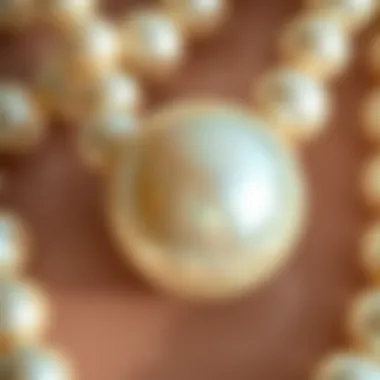
In the world of jewelry, few pieces capture the imagination quite like cultured pearl necklaces. Their timeless elegance and the intricacies of their creation make them a fascinating subject for gemstone enthusiasts and collectors alike. Understanding what makes these necklaces desirable requires a dive into their background, characteristics, and the multitude of factors that influence their value. This article seeks to arm you with the knowledge to navigate the often murky waters of cultured pearl valuation.
Gemstone Overview
Definition of Gemstones
Gemstones are precious or semi-precious stones that are cherished for their rarity, beauty, and durability. Traditionally, they have been used in jewelry, but their allure has also led to their incorporation in art, design, and even medicine. Cultured pearls, specifically, are created through human intervention, making them a unique category in the gemstone world.
Classification of Gemstones
Gemstones can be classified into several types:
- Precious Stones: These include diamonds, rubies, emeralds, and sapphires—known for their durability and brilliance.
- Semi-Precious Stones: This group encompasses a wide array, from amethyst to citrine. While they might not command the same prices as precious stones, they hold distinct value.
- Organic Gemstones: Cultured pearls fall into this category as they originate from living organisms. Other examples are amber and coral.
Understanding these classifications adds depth to our appreciation of gemstones, such as cultivated pearls.
Historical Significance
Origins of Gemstone Use
The use of gemstones dates back to ancient civilizations. From the early Mesopotamians to the Egyptians, pearls were revered and often associated with royalty and divinity. Cultured pearls, while a more recent innovation introduced in the early 20th century, echo this ancient legacy. They were birthed from the desire to replicate the natural beauty of pearls harvested from the sea while controlling their production.
Cultural Insights: Gemstones in Ancient Civilizations
Throughout history, gemstones have been imbued with various symbolic meanings. Cultured pearls were particularly popular in ancient Asia, often worn by emperors and aristocracy. In the wider world, they symbolized purity and wisdom, sought after not just for adornment but as tokens of love and status.
"Gemstones have long been more than mere adornments; they are historical artifacts, whispering stories of the societies that cherished them."
Understanding these cultural backdrops can shed light on why cultured pearl necklaces carry such deep significance even today.
The Valuation Factors
The value of cultured pearl necklaces is not determined by aesthetics alone. Several factors come into play:
- Type of Pearls: Akoya, Tahitian, and South Sea pearls each bring distinct qualities and market values.
- Quality Characteristics: Luster, surface quality, shape, and size all impact valuation. A perfectly round, lustrous pearl with negligible surface flaws is more valuable than its irregular counterpart.
- Market Trends: Current demand and fashion trends can also sway pricing. The rise of online marketplaces means that trends can shift rapidly, influencing what’s in style.
By understanding these factors, collectors can make informed decisions when investing in cultured pearl necklaces.
As we continue this discussion, we’ll delve deeper into grading systems and provide practical tips for potential buyers seeking to augment their collections.
For further reading, explore these resources:
- Wikipedia on Cultured Pearls
- Britannica's overview on Gemstones
- Gemological Institute of America (GIA)
- reddit.com/r/jewelry
Foreword to Cultured Pearls
As society dives deeper into the luxurious world of fine jewelry, understanding the subtle intricacies surrounding cultured pearls has taken center stage. The importance of cultured pearls in today’s market is more than just skin-deep; it taps into cultural heritage, craftsmanship, and personal expression. In essence, these pearls have transcended their aquatic origins, becoming a symbol of prosperity and elegance that graces individuals of various backgrounds.
Defining Cultured Pearls
Cultured pearls are a testament to the fascinating partnership between humanity and nature. Unlike natural pearls, which are formed spontaneously within oysters, cultured pearls are cultivated through a specialized process initiated by humans. To put it plainly, a small irritant, often a piece of mantle tissue or a bead, is inserted into a mollusk, which then secretes layers of nacre, forming a pearl. The process allows for better control over the final product's quality, including size and luster.
In essence, defining cultured pearls involves recognizing their uniqueness, value, and the craftsmanship that goes into producing them. Understanding this definition is your first step in navigating the cultured pearl landscape, where choices abound, but so do potential pitfalls.
The Process of Culturing Pearls
The journey of a cultured pearl is an intricate dance that showcases both natural wonder and skillful artistry. The process begins with careful selection of mollusks, typically oysters or mussels, known for their ability to produce pearls. Farmers select the right species and environment, ensuring that conditions like water quality and temperature are optimal. This attention to detail is vital for encouraging the mollusk to produce high-quality pearls.
Once the mollusk is prepared, the next step is to surgically implant the irritant and sometimes the mantle tissue from another mollusk. After this introduction of the foreign object, the mollusk is returned to its underwater environment, where it will begin the slow process of nacre secretion. This part of the process can span from several months to several years, during which the mollusk may or may not produce a pearl, with varying degrees of quality and aesthetic appeal.
Understanding Pearl Types
The world of cultured pearls is as diverse and enchanting as a treasure chest filled with gems. Recognizing the different types of pearls is essential for anyone looking to appreciate or invest in these natural creations. Each type brings its own unique characteristics, value factors, and cultural significance into play. This understanding doesn't just allow afficionados to make informed buying decisions; it also weaves a narrative connecting luxury, nature, and craftsmanship.
Akoya Pearls
Often considered the classic pearl, Akoya pearls are cultivated primarily in Japan and are cherished for their high luster and round shapes. The Akoya oyster Pinctada fucata produces these stunning gems, typically ranging from 2mm to 10mm in size. What's remarkable about Akoya pearls is their brilliant nacre layer, which determines not just the shine but the quality of the pearl as well.
The lustrous appearance of Akoya pearls is a key selling point. Cultured since the early 20th century, they’ve become a staple in fine jewelry. When assessing an Akoya necklace, note features such as:
- Surface Quality: The fewer blemishes, the higher the value.
- Luster: A deep, reflective sheen is crucial.
- Color: Akoya pearls come mainly in white and cream but can also be found in pink, silver, and even gold.
Investors appreciate their timeless elegance and versatility in jewelry designs. Whether it's a simple pendant or an elaborate multi-strand piece, Akoya pearls bring a touch of refinement.
Tahitian Pearls
Tahitian pearls are often referred to as the "black pearls" of the sea, and for good reason. Sourced from the Pinctada margaritifera oyster, they are particularly stunning because of their dark, captivating colors. Ranging from deep green to charcoal, the unique hues often have vibrant overtones of peacock, blue, or even purple that can leave anyone mesmerized.
When judging the value of a Tahitian pearl necklace, consider:
- Color: Dark, rich colors with deep overtones tend to command higher prices.
- Size: These pearls are generally larger, ranging between 8mm and 20mm.
- Shape: While round is desired, baroque shapes can be highly sought after for their unique charm.
The appeal lies in their exotic origins and associations with luxury and distinction. A Tahitian pearl necklace can effortlessly turn heads at any event, epitomizing a bold form of elegance.
South Sea Pearls
South Sea pearls are the epitome of luxury and size in the pearl world. Grown in the warm, pristine waters of Australia and the Philippines, these pearls offer an exquisite range of natural white and gold colors. Produced by the Pinctada maxima oyster, they are the largest among cultured pearls, frequently exceeding 10mm.
Key factors influencing their value include:
- Luster: A thick, highly reflective nacre is critical.
- Color: Both white and gold variants have their fan bases; however, golden pearls often fetch a premium.
- Surface Texture: Just like other pearls, a clean surface free of blemishes enhances the overall worth.
Collectors often regard South Sea pearls as the crown jewels of their collections due to their size and beauty. They pair well with various jewelry designs, adding a stunning flourish to necklaces, earrings, and bracelets.
Freshwater Pearls
Freshwater pearls are an accessible yet beautiful option for those who don’t want to break the bank. Harvested mainly from rivers and lakes, these pearls come in varied shapes, sizes, and colors. Contrary to saltwater varieties, freshwater pearls typically have a thicker nacre, which can result in impressive luster and resilience.
Their value can hinge on several aspects:
- Shape: Round is most desirable, but unique shapes such as baroque and potato add character.
- Color: They are available in a palette that ranges from white and pink to lavender and deep purple.
- Size: Varies commonly from 4mm to 12mm, with larger sizes commanding higher prices.
Freshwater pearls have gained traction in recent years due to their affordability and charm. They are favored for both everyday wear and special occasions, proving that beauty doesn't always come at a high cost.
Factors Influencing the Value of Cultured Pearls
When diving into the world of cultured pearls, it's crucial to understand the various elements that determine their worth. Cultured pearls are not just mere embellishments; they carry both aesthetic and economic significance. The value can vary significantly based on several factors. Each aspect—from the lustrous sheen to the pearl's very shape—plays a vital role in assessing what chair the pearl might occupy in the jewelry hierarchy. Let’s get into these factors that can shift the tides of pearl valuation.
Luster and Appearance
Luster is often the first thing that catches the eye when one beholds a pearl. A pearl's luster refers to how light interacts with its surface. High-quality cultured pearls exhibit a bright, reflective luster that seems to glow from within, leading to their desirability. This glow is not merely a product of light bouncing off the exterior; it’s a result of the layers of nacre developed around the irritant. The thicker the nacre, the better the luster. In contrast, pearls with dull or flat appearances—often resulting from insufficient nacre layers—tend not to fetch high prices. Furthermore, the iridescence—a rainbow-like phenomenon—adds depth, making the pearl all the more captivating.
Size and Shape
The size of a pearl greatly influences its market value, often aligning it with the age of the mollusk that produced it. Larger pearls typically command higher prices, reflecting their rarity. For instance, a 10mm Tahitian pearl will generally outweigh the value of an 8mm counterpart. However, size alone is not a trump card. Shape also plays a crucial role. While perfectly round pearls are on many collectors' wish lists, variations like baroque, drop, or semi-round variants have their niche. Each unique shape can appeal to different tastes, offering both diversity and specific market demand. Hence, finding a balance between size and shape is key for collectors wishing to invest wisely.
Color Considerations
The spectrum of colors available in cultured pearls creates a kaleidoscope of choices. While white and cream remain the classics, colored pearls—like the charcoal of Tahitian or the gold and silver tones of South Sea pearls—have gained favor in the market. The color's depth and richness contribute to its value. Pearls with overtone hues (secondary colors that appear in addition to the primary color) are particularly sought after. For instance, a white pearl with a pink overtone can have a markedly different valuation than a plain white pearl. Each color can be symbolic and culturally significant, therefore it becomes essential to know regional preferences when considering the value.
Surface Quality
The surface of a pearl not only impacts its appearance but also its valuation. Jewelry quality pearls should possess a smooth surface free from blemishes. Poor surface quality—characterized by spots, pits, or irregularities—detracts from a pearl's aesthetic and financial worth. Therefore, when appraising a cultured pearl, it's important to inspect it thoroughly under good light. A pearl with few imperfections will not only catch the light better but also attract higher prices in both retail and collector markets. Collectors must refine their eye for detail since often a tiny flaw can mean the difference between a good pearl and a great one.
The Grading System for Cultured Pearls
The grading system for cultured pearls plays a crucial role in the marketplace, providing buyers and sellers with a standardized way to evaluate and compare pearl quality. Understanding how pearls are graded helps avoid pitfalls when selecting a piece for investment or personal enjoyment. A pearl’s value can significantly increase or decrease based on its grading status. Therefore, this framework is not merely a guideline; it serves as a backbone for the cultured pearl industry.
Pearl grading considers several attributes, such as luster, surface quality, shape, size, and color. These criteria collectively form a picture of the pearl's overall quality and desirability. A high-grade pearl typically commands a higher price, so grasping these grading standards can mean the difference between wisdom and folly in your purchasing decisions.
Pearl Grading Standards
The major grading systems have emerged over time, but two notable ones dominate: the GIA (Gemological Institute of America) and the AQA (Association of Pearl and Gemstone Appraisers). Each system uses its respective tiers to classify pearls, affecting perceptions and evaluations in global markets. Generally, the most esteemed pearls are recognized by their exceptional luster and minimal imperfections.
Several key factors are prioritized in these grading standards:
- Luster: This is perhaps the crown jewel of grading criteria. The more reflective and lustrous a pearl is, the better its grade. Exceptional luster gives a pearl that radiant glow, crucial in capturing one's eye.
- Surface Quality: Pearls without blemishes or spots are more highly prized. While minor imperfections may be acceptable, noticeable flaws can dramatically diminish a pearl’s appeal.
- Shape: Round pearls are traditionally preferred but unique shapes can also hold value depending on their demand in specific markets.
- Color: This includes both the body color and overtones of the pearl, with some colors being rarer and consequently more valuable.
- Size: For both freshwater and saltwater pearls, larger sizes are often seen as more desirable.
In short, knowing these standards can aid in identifying pearls that are not only beautiful but also valuable enough to appreciate over time.
Evaluating Pearl Quality
To properly assess the quality of cultured pearls, one must engage in a comprehensive evaluation process. This involves more than just a simple glance; it requires a discerning eye and perhaps some specific tools. When evaluating pearl quality, consider the following:
- Visual Inspection: First off, a thorough visual examination is paramount. Look for consistent color across the surface. If there are unusual variations, it might throw a red flag.
- Luster Check: Hold the pearl under light at different angles. This step helps you see how well the pearl reflects light. A healthy luster can be easily distinguished from a dull surface, which might indicate poor quality.
- Surface Quality Gaze: Closely inspect for any signs of blemishes or markings. Use a jeweler’s loupe for a better view if necessary. Remember that minor imperfections are common; it’s the significant ones that matter most for quality evaluation.
- Shape Analysis: While round pearls are often deemed ideal, certain designs or styles might elevate the appeal of off-round pearls. Trust your instincts, but also keep the current market trends in mind.
- Size Measurement: Measure the diameter with a caliper. Note that sizes can vary, so a small chart can help you compare sizes relatively.
"Valuing a pearl is like uncovering a layered story - each characteristic reveals a piece of its history and quality."
By carefully following these steps and understanding grading standards, enthusiasts can navigate the nuanced world of cultured pearls, ensuring they make informed choices in their buying journeys. Understanding evaluated pearl quality not only empowers collectors but also enriches the overall experience of acquiring these timeless treasures.
You can delve deeper into grading at: GIA Pearl Grading and AQA Pearl Standards.
Market Trends in Cultured Pearl Jewelry
Understanding market trends in cultured pearl jewelry is fundamental for collectors, enthusiasts, and designers alike. It not only influences buying decisions but also impacts the valuation and desirability of the pieces on the market. Trends can reveal consumer preferences, emerging styles, and fluctuations in prices that can affect investment returns. With cultured pearls, being aware of these shifts can mean the difference between acquiring a timeless piece, or investing in something that may not hold its value.
Historical Context
The history of cultured pearls is steeped in innovation and shifting tastes. Beginning in the early 20th century, the introduction of cultured pearls transformed how people perceived and valued these gems. Before Kokichi Mikimoto pioneered the culturing process, pearls were a luxury item reserved for the elite. This change not only made pearls more accessible but also increased their popularity among the masses.
Over the decades, varied cultural influences shaped the designs and styles of pearl jewelry. For instance, the roaring twenties saw a surge in pearl string necklaces, while the minimalist movements of more recent years have favored simpler, single-pearl pendant designs. Tracking these historical shifts provides a lens through which current trends can be interpreted.
Current Pricing Trends
Pricing trends in the cultured pearl market are influenced by various factors, including the type of pearl, market demand, and even seasonal variations. Presently, there's a noticeable shift towards high-quality, larger pearls, especially from the South Sea and Tahitian varieties. Consumers are willing to invest more for pieces that exhibit superior luster and unique colors.
Several platforms now showcase these pricing trends, making data more accessible than ever. For those interested in the fine jewelry market, websites like JCK Online and National Jeweler provide regular updates on pricing dynamics in the industry. Furthermore, economic factors such as global market health and consumer sentiment also play a pivotal role in pricing. The demand for sustainable and ethically sourced pearls has further complicated this landscape, driving some prices higher.
Future Market Projections
Looking ahead, the future of the cultured pearl market appears promising yet complex. Experts anticipate continued growth as younger generations begin to appreciate the beauty and heritage of pearls. The rise of social media influencers demonstrating pearl jewelry could shift consumer preferences, potentially leading to an increase in online purchases and custom designs by independent artisans.
Notably, sustainability considerations are poised to reshape how pearls are cultured and marketed. As the trend towards ethically sourced products continues, brands that can effectively communicate their commitment to sustainable practices might find a substantial competitive advantage.
"The willingness of consumers to spend on cultured pearls can often be traced back to their emotional connection with these gems, making it critical for brands to tap into storytelling that resonates with today's conscientious buyers."
Ultimately, being aware of and understanding these trends becomes indispensable for anyone looking to delve into the world of cultured pearls. It fosters informed decision-making and highlights the dynamic nature of this lavish market.
Buying Considerations for Cultured Pearls
When it comes to buying cultured pearls, understanding what to look for can be as intricate as the pearls themselves. This section is essential for anyone who wishes to delve into the world of cultured pearls, helping potential buyers make informed choices. Let’s explore the vital elements associated with purchasing cultured pearls, emphasizing where to shop, how to verify authenticity, and the art of negotiating prices.
Where to Purchase
Finding the right place to buy cultured pearls can feel like searching for a needle in a haystack. Not all retailers are created equal, and some may not offer the quality you desire. Here are a few options to consider:
- Specialty Jewelers: Opt for jewelers who specialize in pearls. They often have knowledgeable staff and a diverse selection, ensuring you are getting what you pay for.
- Online Retailers: Websites like Jewelers Mutual or Pearl Paradise often have detailed descriptions and high-resolution images of their products. But do some homework and read reviews, as not all online sellers uphold the same standards.
- Auctions: Participating in auctions can yield unique finds, often at more competitive prices. However, be cautious and understand the market value before placing bids.
"Finding a reputable source is key; it's worth your time and effort!"
These considerations can help direct you towards purchase opportunities that align with your expectations and budget, ensuring you don’t end up with pearls that are more illusion than reality.
Verifying Authenticity
In a market where imitation often masquerades as the real McCoy, it is essential to confirm that what you’re buying is indeed an authentic cultured pearl. Here are some methods to assist in this verification:
- Certificate of Authenticity: Always request certification from the seller. A reliable certificate offers insight into the pearl’s origin, type, and quality.
- Visual Inspection: Authentic pearls have unique imperfections. If they appear too perfect, they may be plastic or glass imitations. Look for subtle differences in luster and texture.
- Surface Test: Rubbing the pearl gently against your teeth can provide clues; true pearls feel slightly gritty, while imitations are smooth.
Taking these steps can save you a significant amount of heartache and money down the line. Honesty in retail is essential, so be sure to approach sellers with questions and an eye for detail.
Negotiating Prices


When it comes to negotiating prices, keep in mind that each cultured pearl has its own story. While you want a good deal, it’s crucial to strike a balance between fair pricing and valuing the craftsmanship behind these exquisite gems. Here are some tips for effective negotiation:
- Know Your Stuff: Familiarize yourself with current market values, quality assessments, and what makes specific pearls stand out. This knowledge arms you for intelligent dialogue with sellers.
- Be Reasonable: While it’s natural to want the best deal, coming in with absurdly low offers might offend the seller. Aim for a respectful dialogue.
- Timing is Everything: Purchasing pearls during certain times of the year, such as holidays or off-peak seasons, may offer more opportunities for negotiation.
Remember, the goal is not just to get a lower price but to foster a mutually beneficial transaction. This approach will yield better long-term relationships in your dealings with pearl retailers.
Understanding these considerations can significantly impact your buying journey and ultimately enhance your collection of cultured pearl jewelry.
Caring for Cultured Pearls
Caring for cultured pearls is crucial not only to preserve their natural beauty but also to sustain their value over time. These iridescent gems require specific attention and thoughtful handling, reflecting their unique origins and the meticulous process that brings them to life. When you invest in a cultured pearl necklace, you're not just acquiring jewelry; you're holding a piece of nature that deserves respect and care. Proper maintenance can significantly enhance their lustrous appearance and lifespan, making it essential for anyone who owns these timeless treasures.
Proper Storage Practices
When it comes to storing cultured pearls, treating them like the delicate creations they are is paramount. Here are some guidelines to ensure they stay in pristine condition:
- Soft Storage Environment: Always store pearls in a soft pouch or lined jewelry box, far from rough surfaces. Avoid metal clasps or hard materials that may scratch the pearl's surface.
- Separate Storage: Pearls should be kept away from other jewelry pieces. Mixing them with harder gemstones might lead to scratches. A velvet-lined compartment can help keep them safe from abrasion.
- Humidity Control: Pearls thrive in a slightly humid environment. If the air is too dry, they may lose moisture and luster. Storing them in a bathroom (away from the shower) or using a silica gel packet can maintain humidity levels.
Proper storage will go a long way in ensuring your pearls remain vibrant and lovely, allowing you to enjoy them for years while retaining their value.
Cleaning Techniques
Even the most well-cared-for cultured pearls can benefit from occasional cleaning. Here's how you can keep them sparkling:
- Gentle Wiping: After wearing your pearls, gently wipe them with a soft, damp cloth. This helps remove any oils or dirt accumulated from skin contact. Avoid harsh chemicals or cleaners, as these can harm the pearls’ surface.
- Mild Soap Solution: If a deeper clean is necessary, mix a few drops of mild soap with warm water. Use a soft brush or cloth dipped in the solution, avoiding excessive moisture.
- Air Drying: Allow your pearls to air dry completely after cleaning, preferably hanging to maintain shape. Do not use a hair dryer or any heat source, as this can affect the structure of the pearls.
For best results, regular upkeep and timely cleaning will keep your cultured pearls shining brilliantly, preserving their allure and ensuring lasting value in your collection.
"Pearls are the treasures of the ocean; care for them gently, and they will shine brightly for many tides to come."
By following these guidelines, collectors and enthusiasts can maintain the integrity of their cultured pearl necklaces, celebrating their beauty and significance for generations.
The Cultural Significance of Cultured Pearls
Cultured pearls have long transcended mere adornments; they embody stories, traditions, and values that resonate deeply across cultures. In examining the cultural significance of these lustrous gems, we can see how they reflect the history and aspirations of societies around the globe. This section unpacks the roles they play, from fashion statements to symbols of wealth and purity.
Cultural Representations
Cultured pearls often find themselves woven into the fabric of various cultural narratives. In many Asian cultures, for instance, pearls signify wisdom, purity, and wealth. They are frequently gifted during significant life events such as weddings and births. An interesting tradition in some Asian communities involves presenting a strand of pearls to mark a girl’s coming of age, indicating her transition to womanhood.
In Western fashion, pearls have similarly entrenched themselves as staples of elegance. Iconic figures, like Coco Chanel, immortalized the cultured pearl as a statement of class and sophistication. They evoke an image of luxury that spans generations; when one wears a pearl necklace, they often draw on this cultural lexicon of elegance that is rich in historical context.
Even in modern media, cultured pearls frequently appear as symbols of femininity and beauty. Films, literature, and art often use pearls to convey a character’s depth or refinement, making them an enduring motif in storytelling.
Symbolism in Society
Beyond their sheer beauty, cultured pearls carry a weight of symbolism that can vary significantly based on context. For many, pearls represent emotional depth and integrity. They are often viewed as gems that encapsulate the notion of resilience, given the natural process of their formation. A small irritant may create a majestic pearl over time, much like struggles in life can lead to growth and beauty. This metaphor permeates various forms of art and poetry.
Furthermore, in contemporary society, pearls can symbolize a connection to nature and sustainability. As more individuals become aware of ethical sourcing and eco-conscious practices, the narrative surrounding cultured pearls shifts towards sustainability. Much of today’s art and fashion emphasize organic materials, and cultured pearls naturally align with this ethos. This has led to them being embraced not only as symbols of luxury but also as conscientious choices reflecting modern values.
Cultured pearls are not merely accessories; they embody a rich tapestry of cultural significance that evolves with time and context.
In essence, understanding the cultural significance of cultured pearls offers insight into how they resonate with individuals and societies. These gems are appreciated not only for their beauty but also for the stories they tell, the traditions they uphold, and the symbols they embody. As you explore the realm of cultured pearls, remember their value is intertwined with a deep-rooted cultural narrative that enriches their appeal.
Closure
The exploration of cultured pearl necklaces culminates in recognizing their multifaceted value. Cultured pearls aren’t just dazzling adornments; they weave intricate narratives about nature, craftsmanship, and culture. This important topic sheds light on various elements that contribute to the overall significance of these elegant pieces.
A thorough understanding of pearl types, their grading systems, and current market trends empowers discerning buyers and collectors. It serves to clarify not only the aesthetics but also the investment aspects of cultured pearls. For instance, appreciating the differences between Akoya, Tahitian, and South Sea pearls can illuminate variations in price and desirability. Knowing how grading influences quality can guide one in recognizing true value in each piece rather than simply shelling out money for the first attractive option encountered.
Furthermore, the cultural significance embedded in pearls underscores their role as symbols of wealth and status across various societies. This broader context can enhance one’s appreciation for a piece, as it commands not just monetary value but also deep historical and emotional resonance.
In summary, the assessment of cultured pearl necklaces goes beyond mere superficial appeal; it reflects a blend of aesthetic enjoyment, cultural narratives, and economic wisdom. Investing time to gather insights surrounding this subject can lead to more informed purchasing decisions, ensuring that collectors and enthusiasts can cherish their pearl necklaces with confidence and pride.
Recap of Key Insights
- Types of Cultured Pearls: Understanding the distinct characteristics of Akoya, Tahitian, and South Sea pearls helps in evaluating their value.
- Grading System: Familiarity with pearl grading can assist in identifying high-quality pieces that stand the test of time.
- Market Trends: Staying up-to-date with evolving market prices and consumer preferences can influence wise purchasing decisions.
- Cultural Resonance: Recognizing the symbolic nature of pearls can deepen appreciation and relevance in personal collections.
Encouragement for Exploration
The world of cultured pearls offers plenty of avenues for exploration. Whether you are just starting out or have been an enthusiast for years, there’s always something new to learn. Consider visiting workshops or exhibitions that showcase the artistry behind pearl jewelry.
Engaging with fellow enthusiasts through forums such as Reddit or dedicated social media groups can provide new perspectives and insights. Take the time to assess what types resonate with you personally, allowing for a more profound connection to your jewelry. Lastly, never hesitate to reach out to reputable jewelers for guidance, as they can often provide valuable information and stories tied to specific pieces. The more informed and involved you become, the richer your appreciation for cultured pearl necklaces will grow.